Renon (BZ)
New design that links with the surrounding natural environment,
integrating the construction with the lay of the land.
integrating the construction with the lay of the land.
Client
privateYear
2020Collaborators
Ing. Nicoló CerulliCOMPLETED PROJECT
FROM CONCEPT TO REALITY
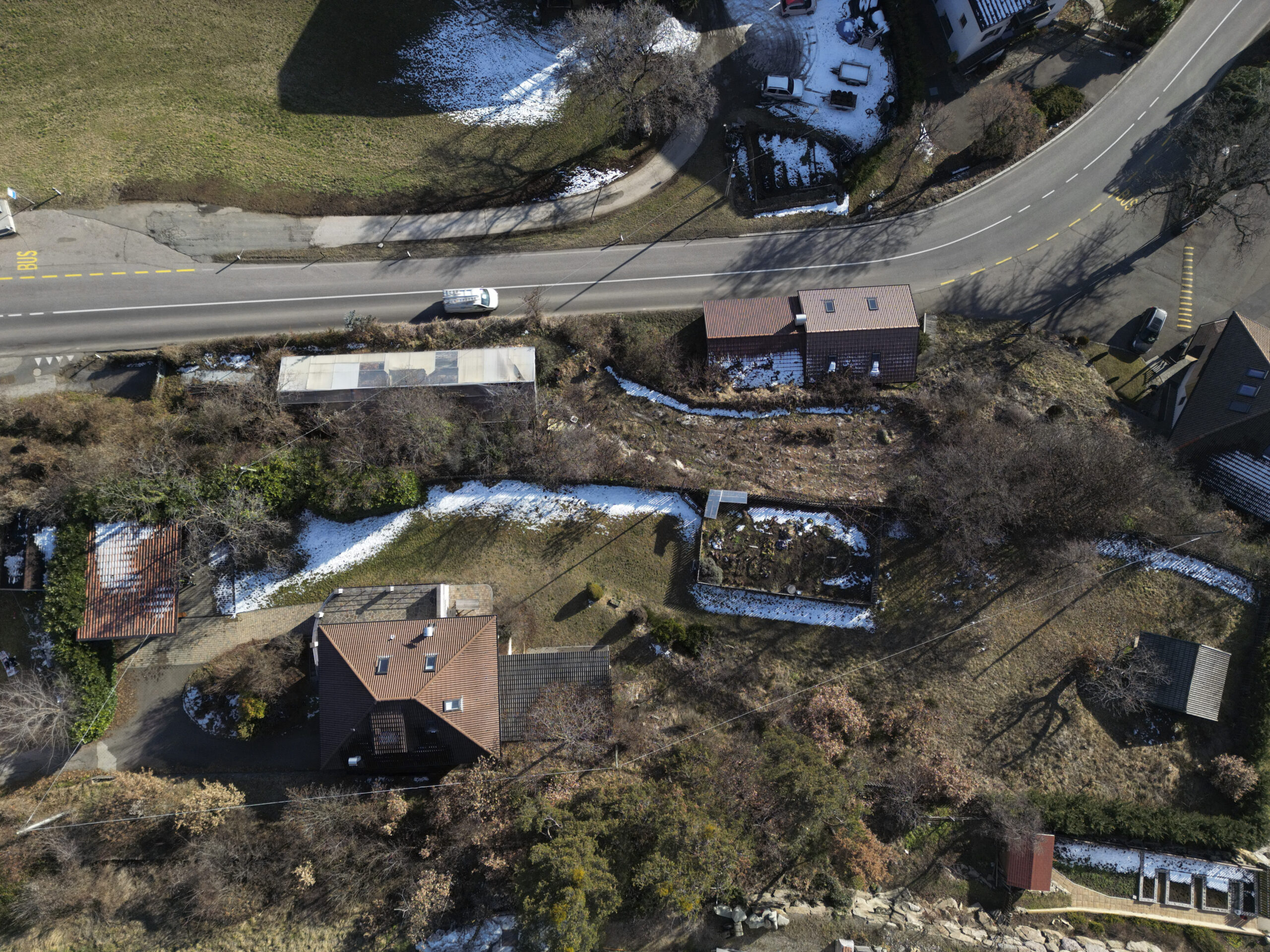
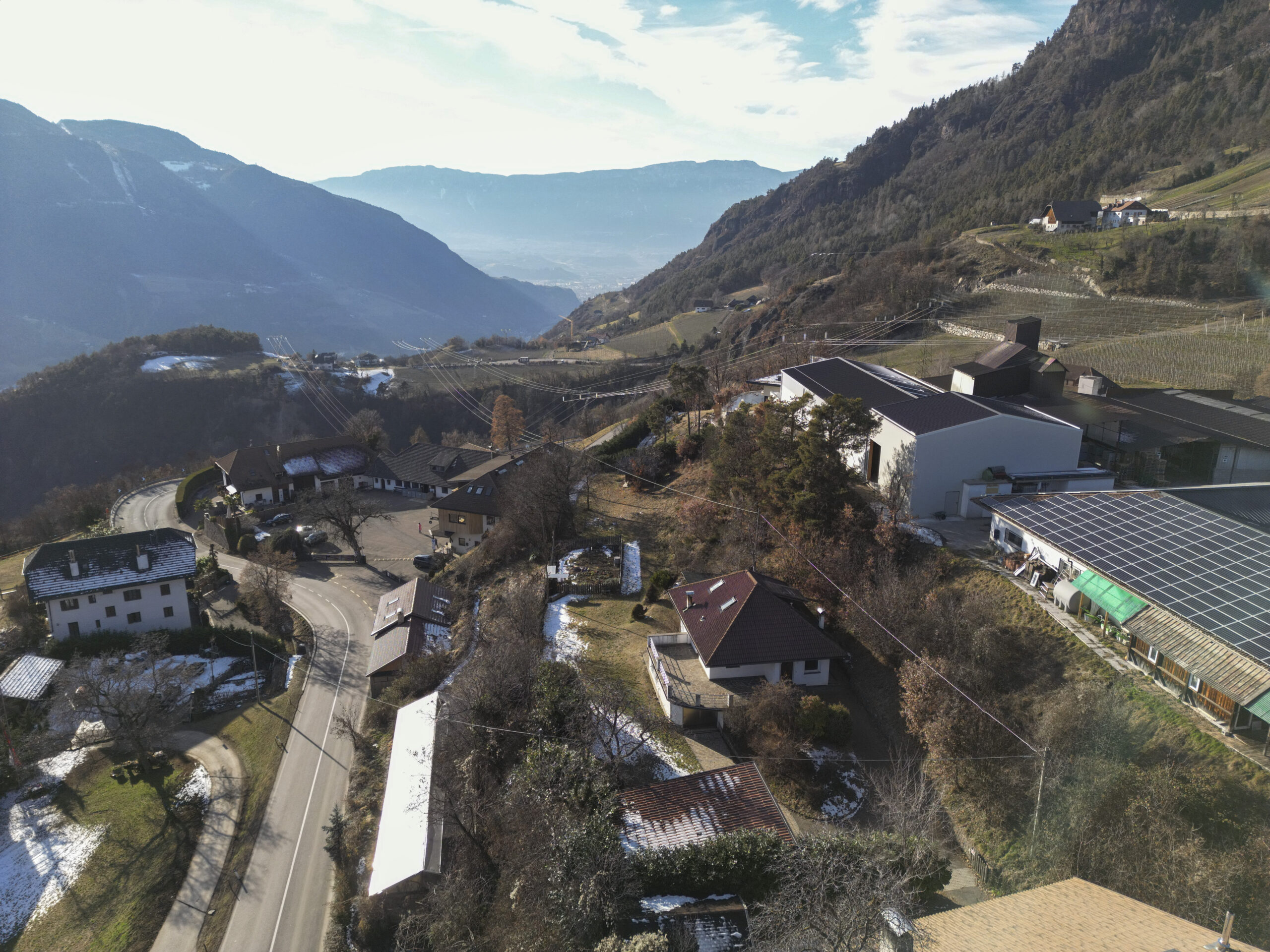
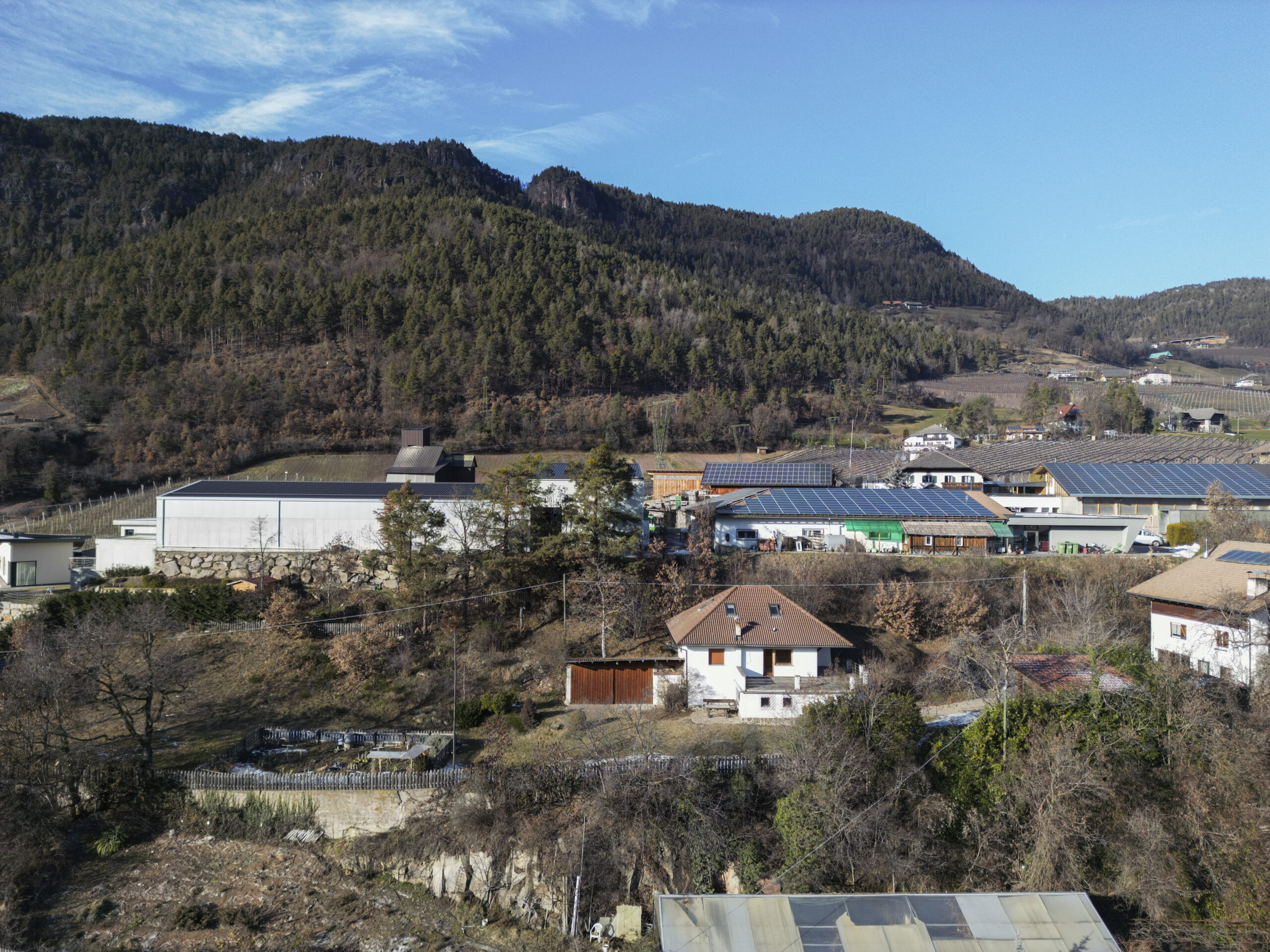
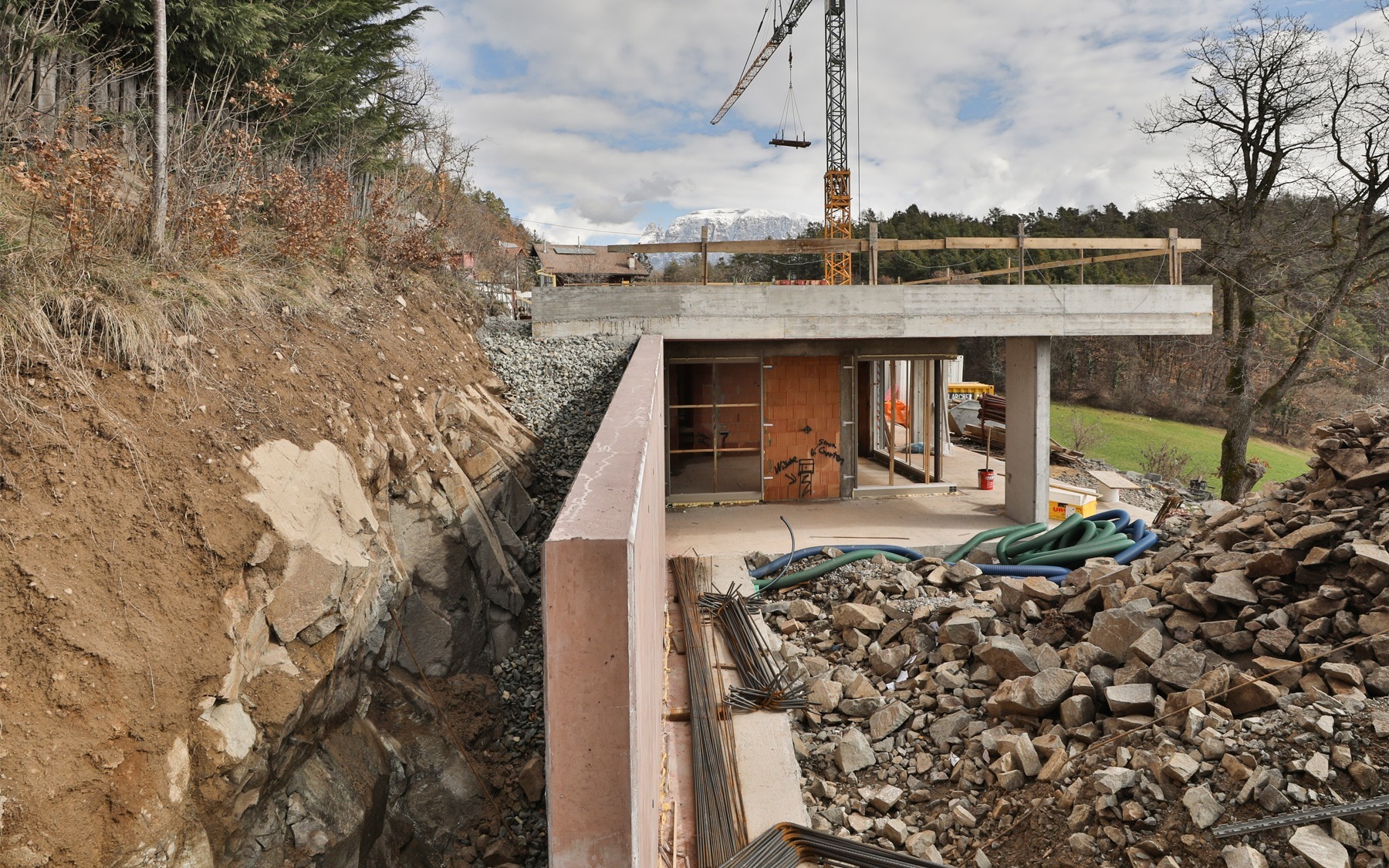
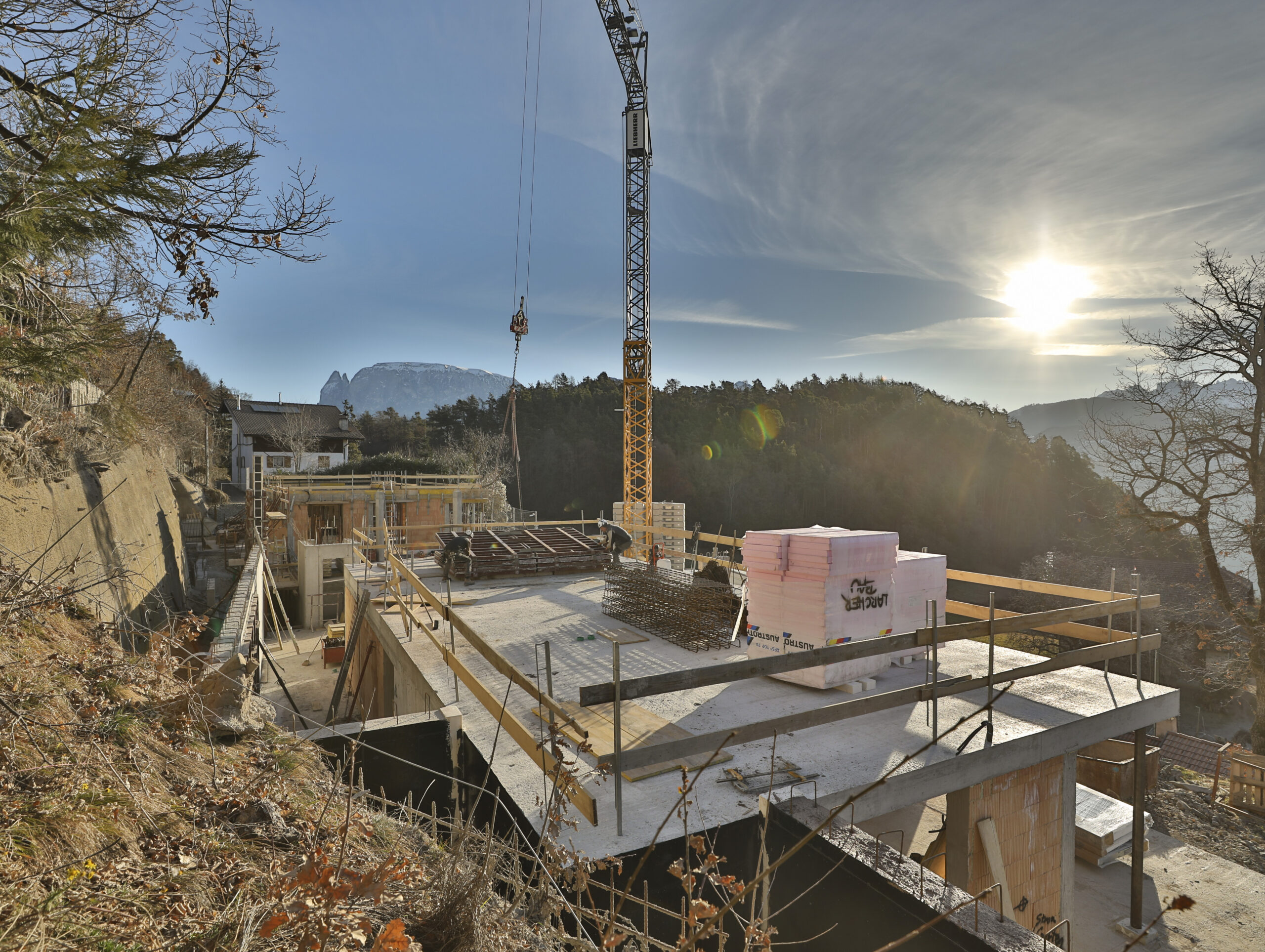
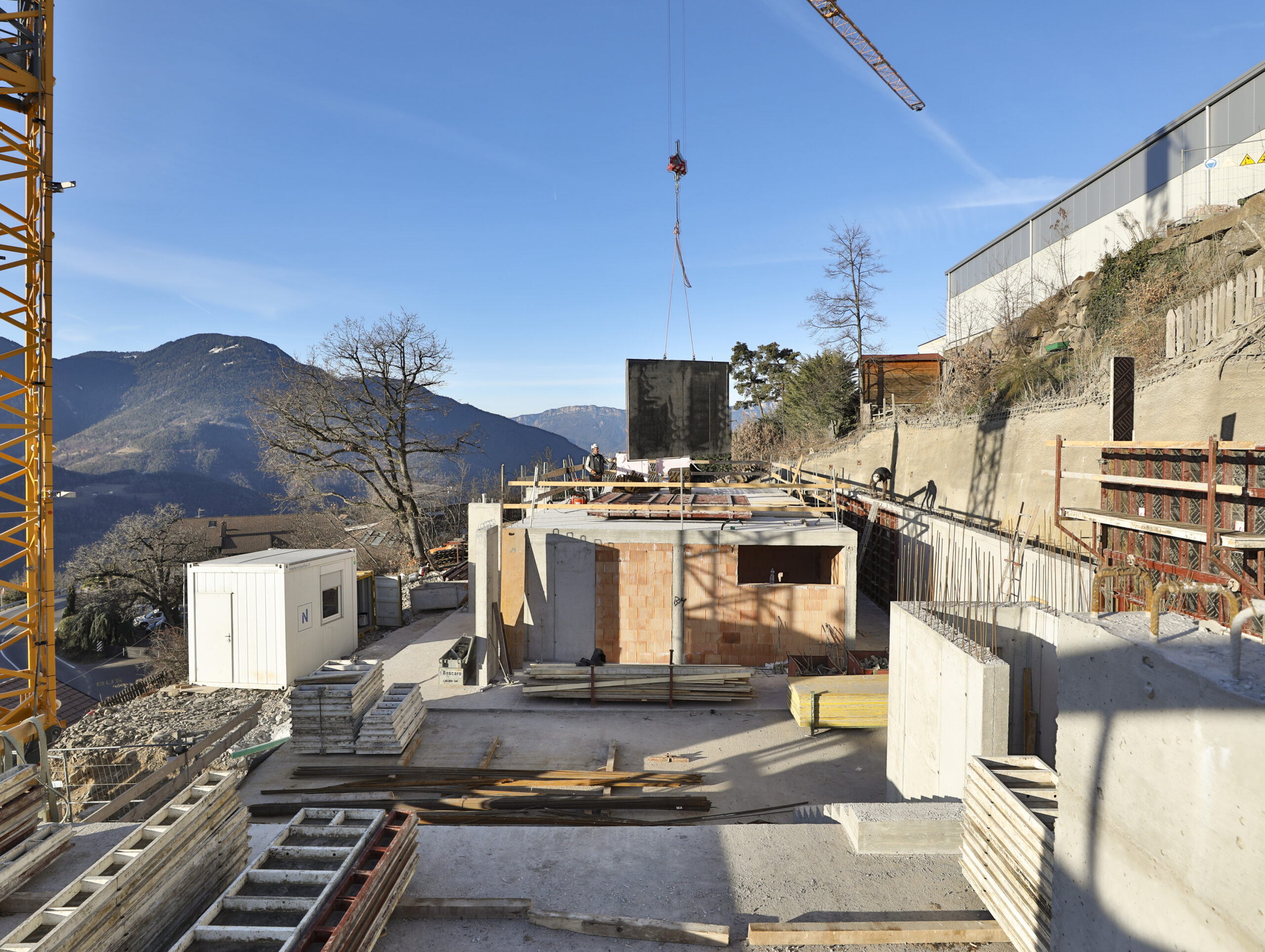
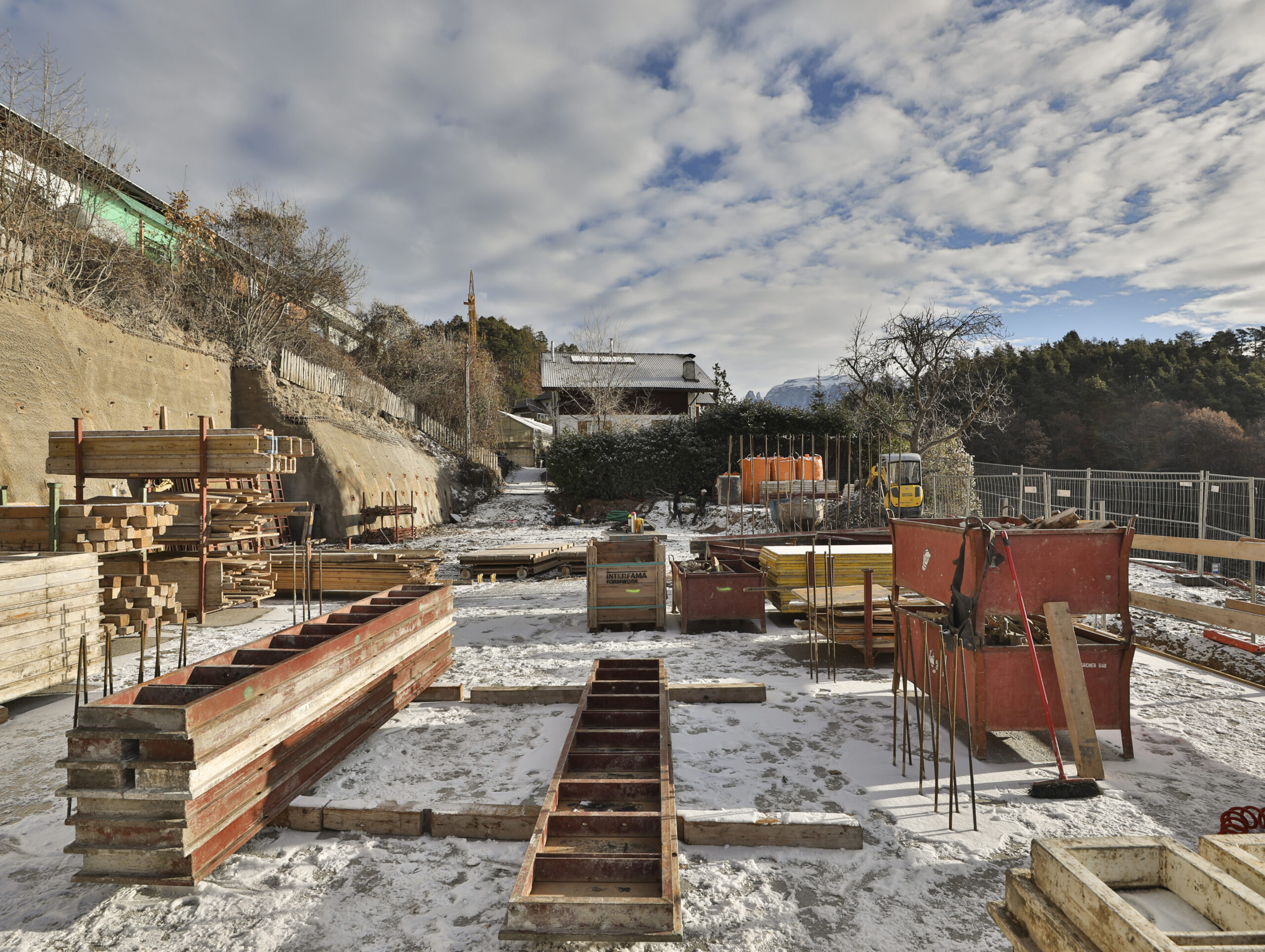
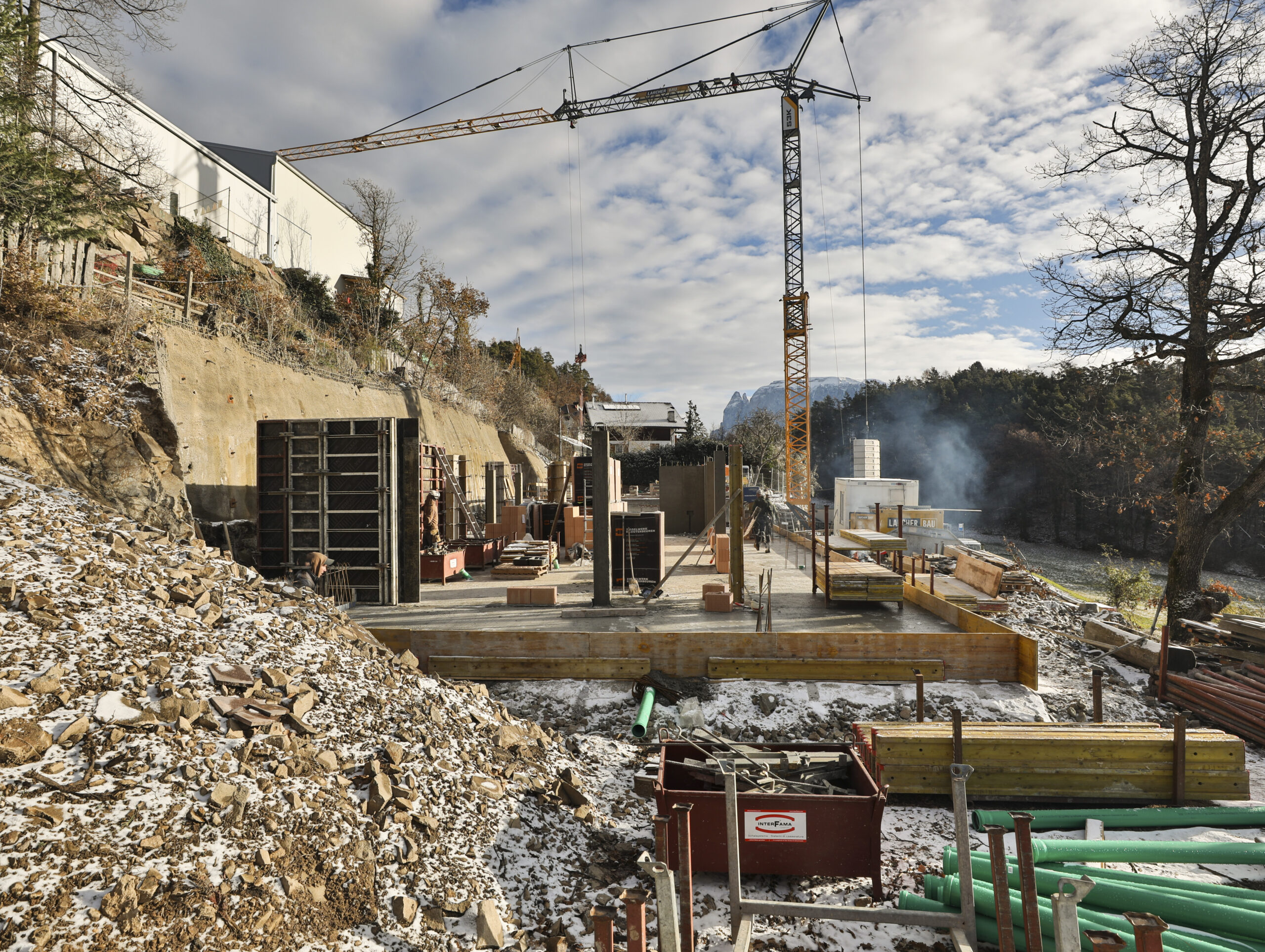
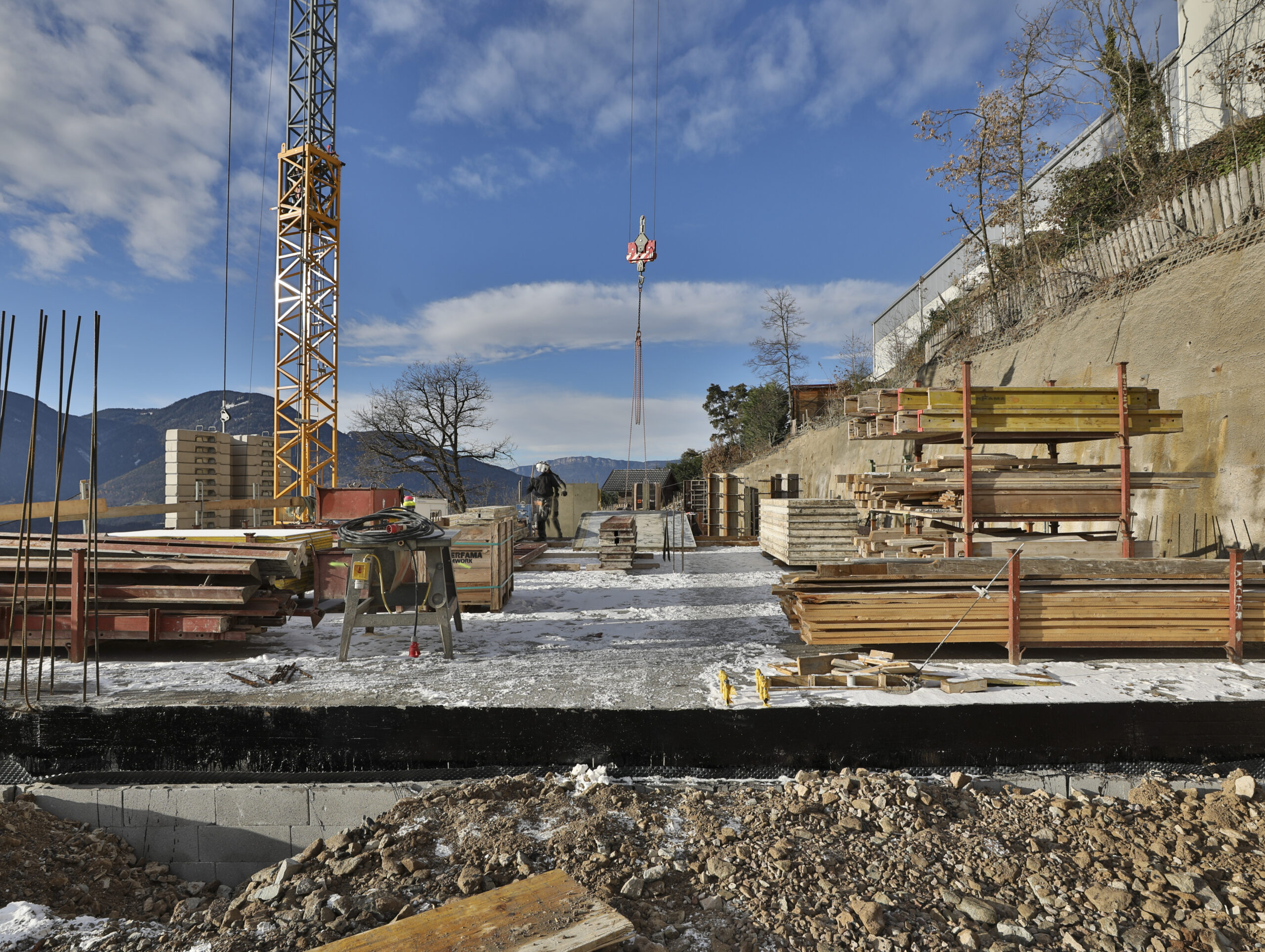
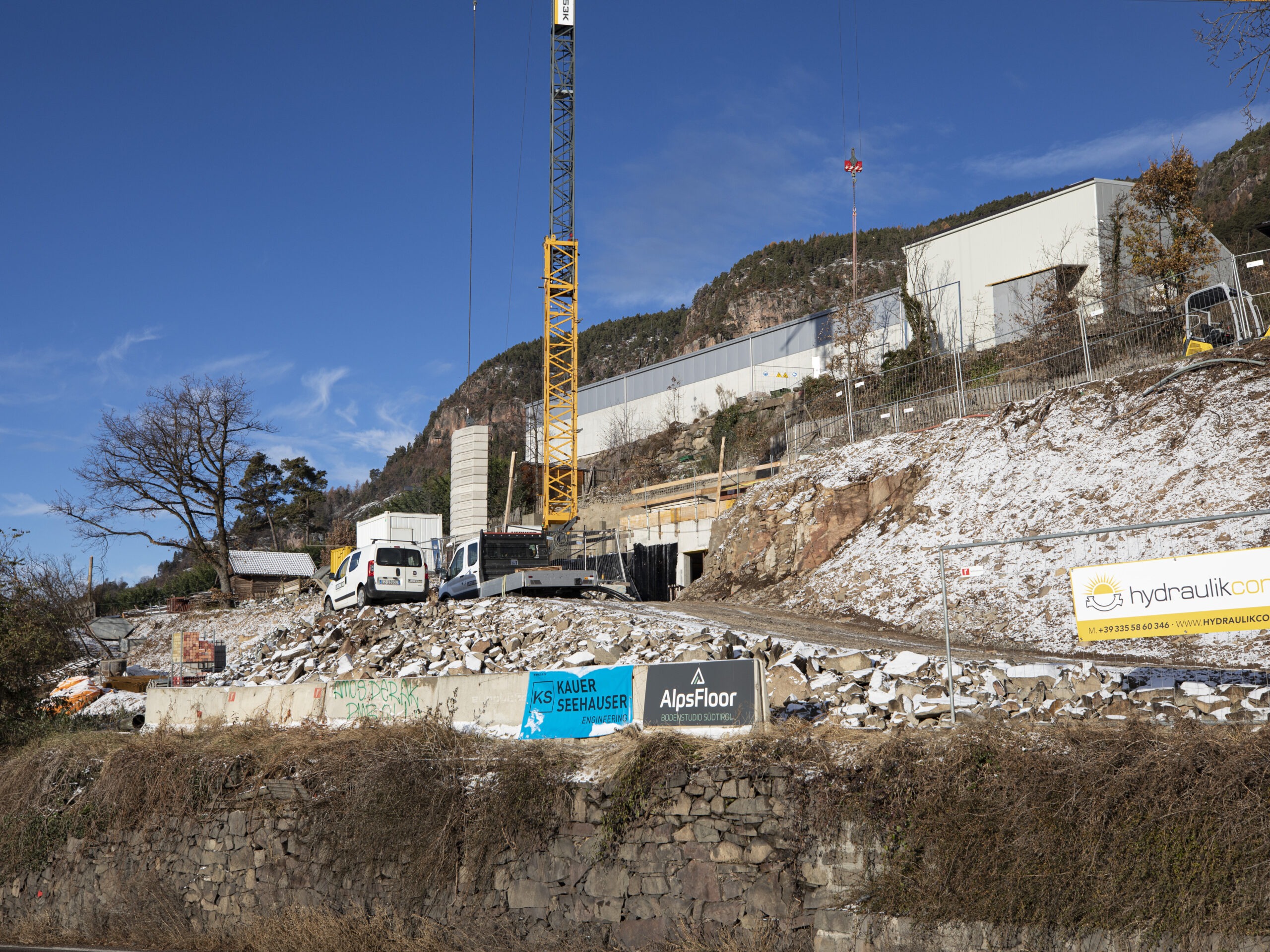
The project is located on a longitudinal and steeply site, which suggests a design of functional and organic architecture.
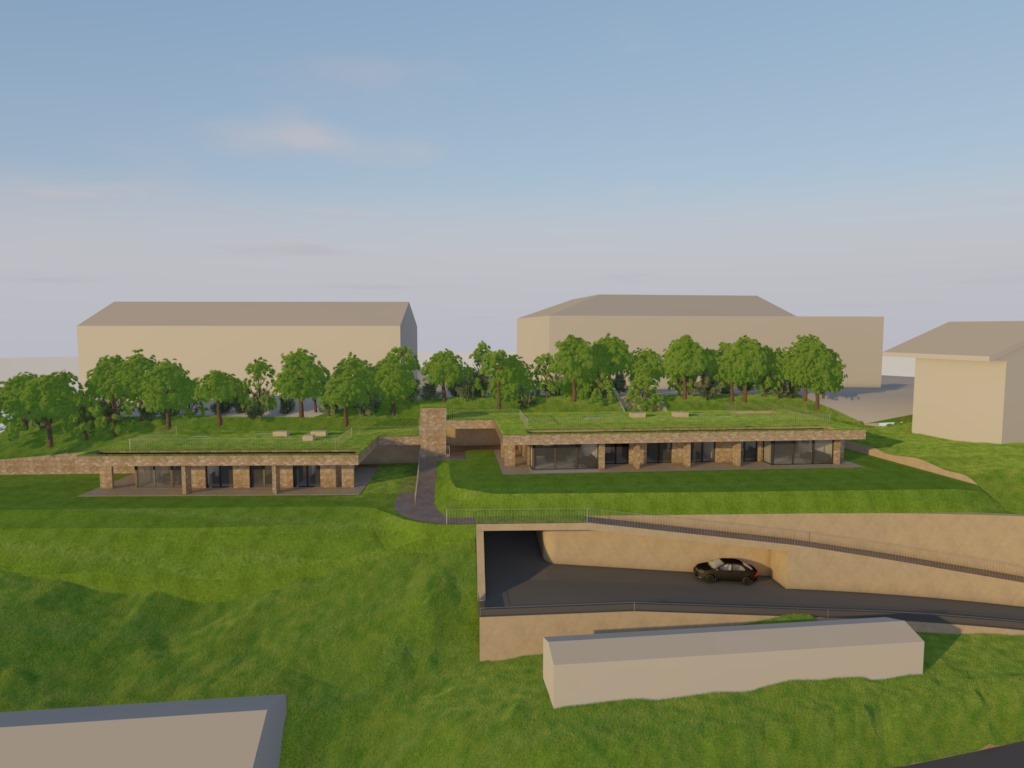
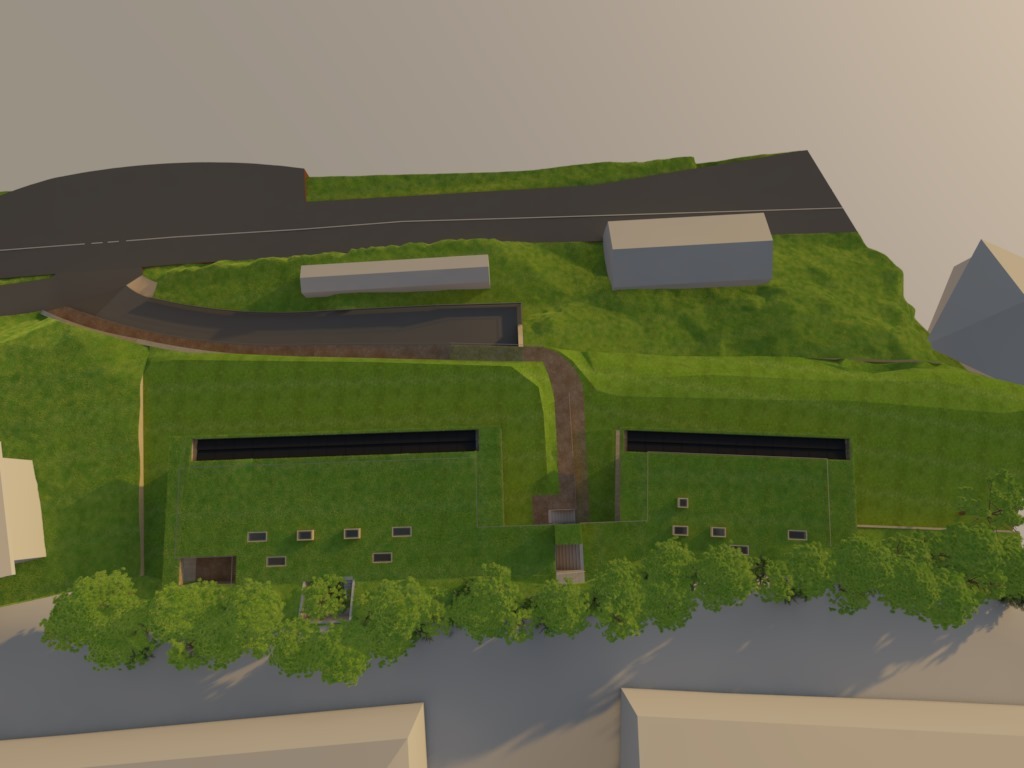
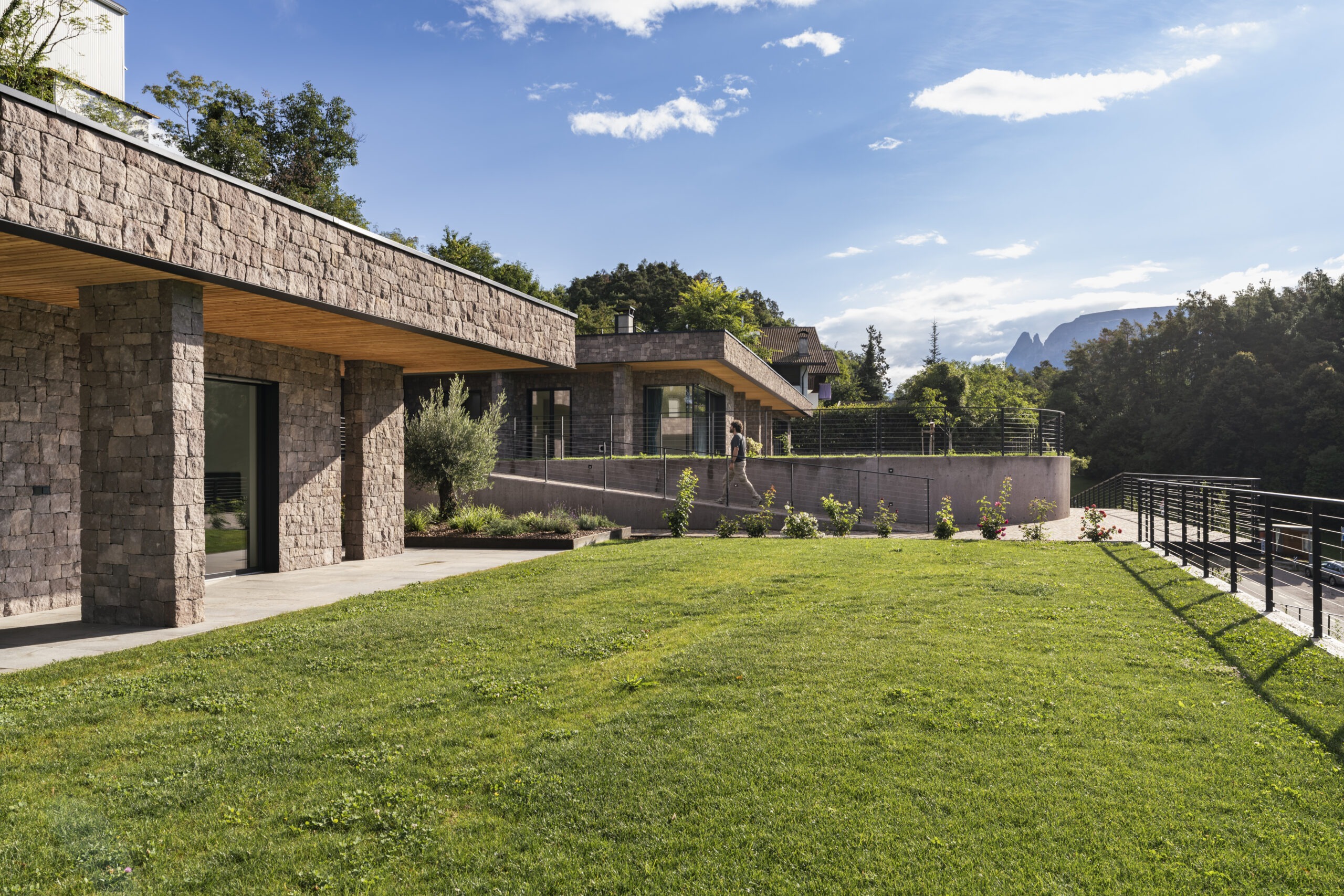
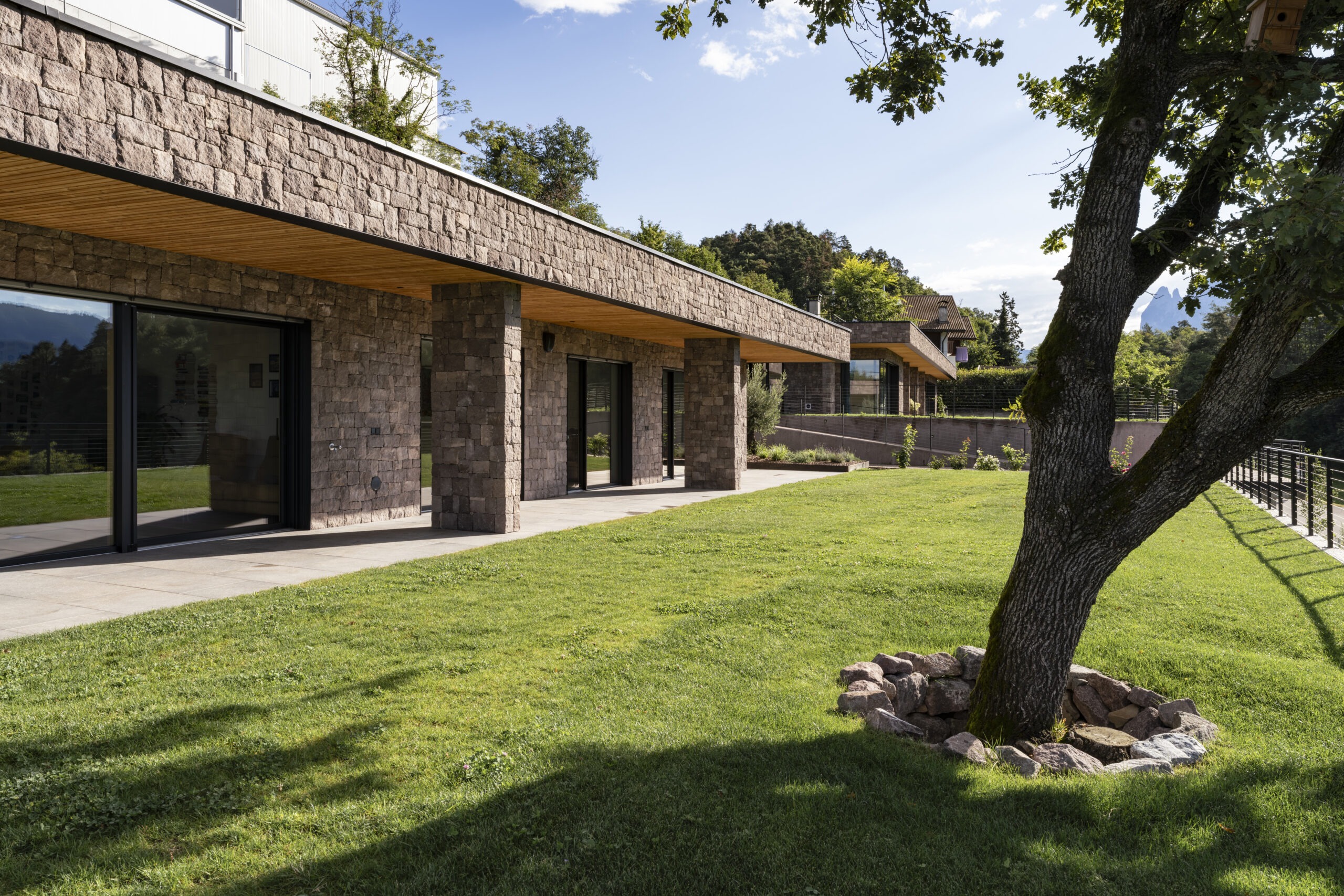
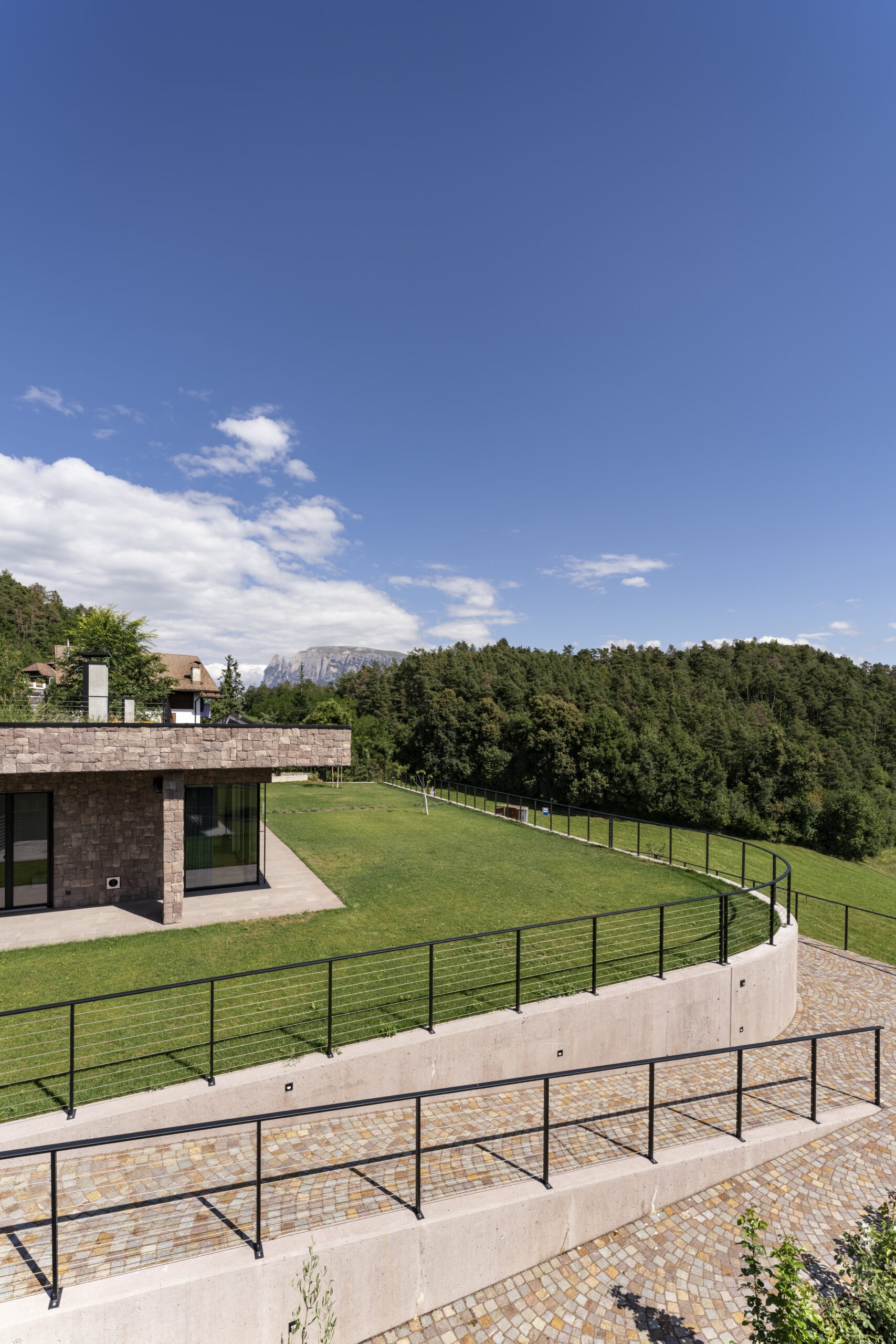
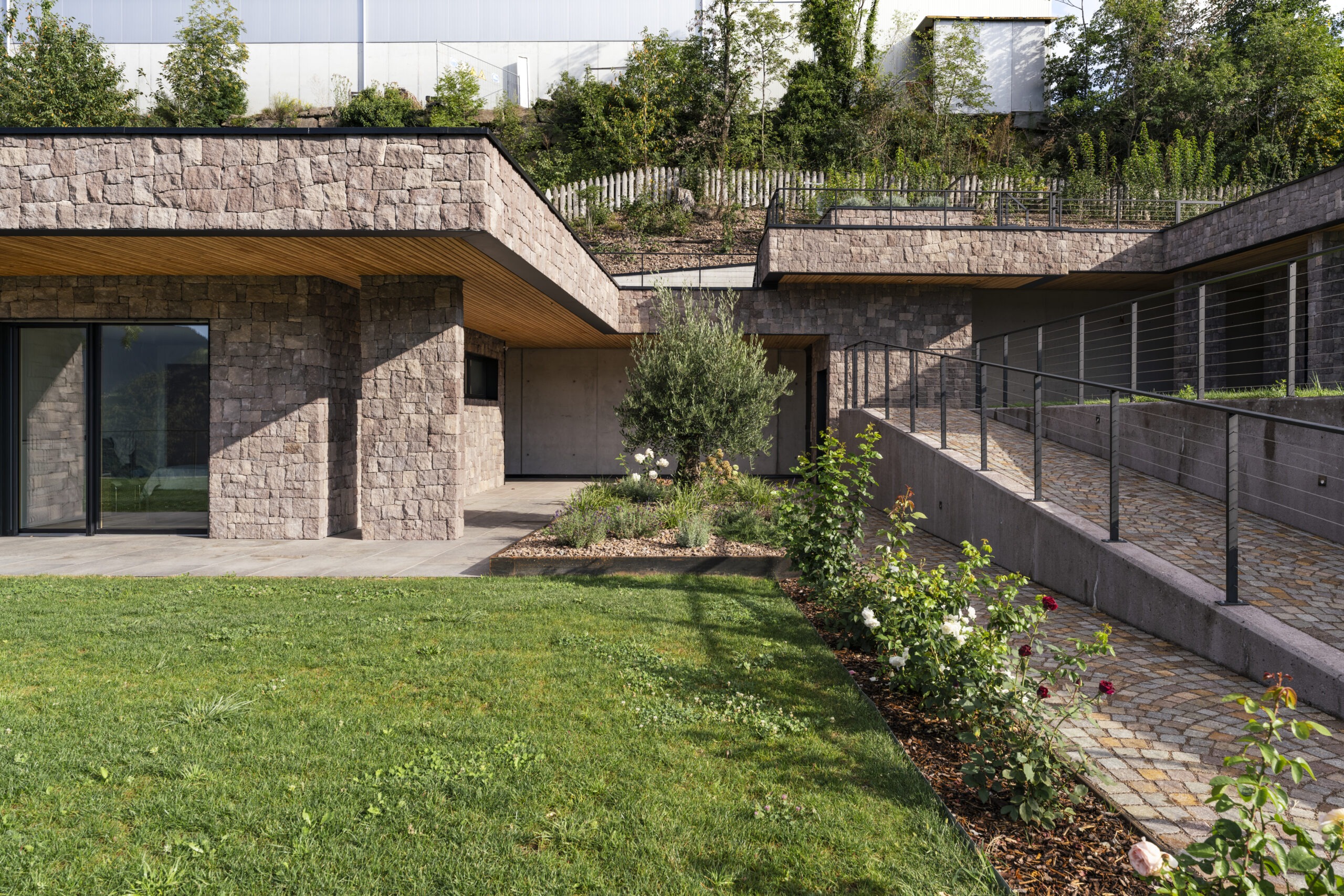
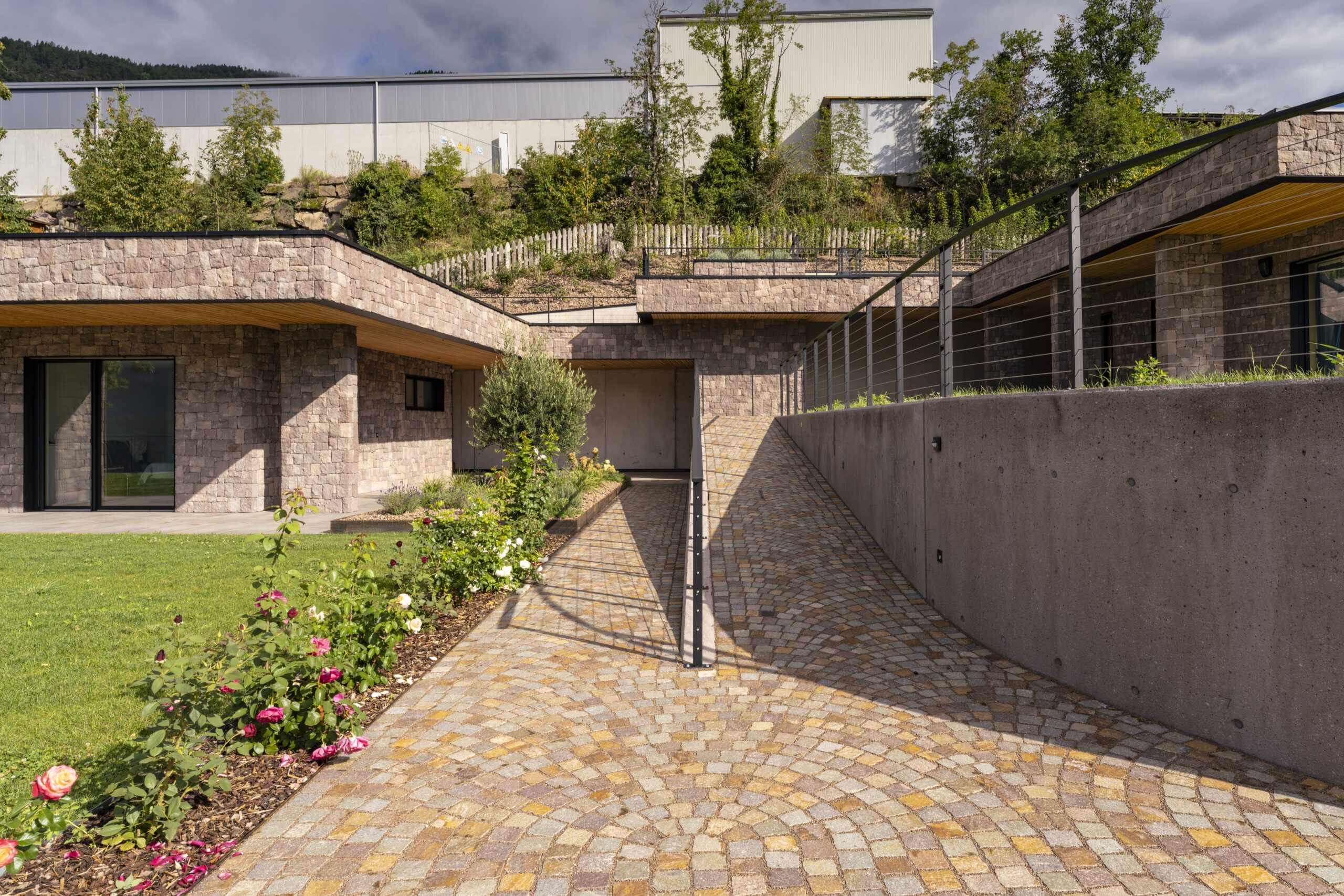
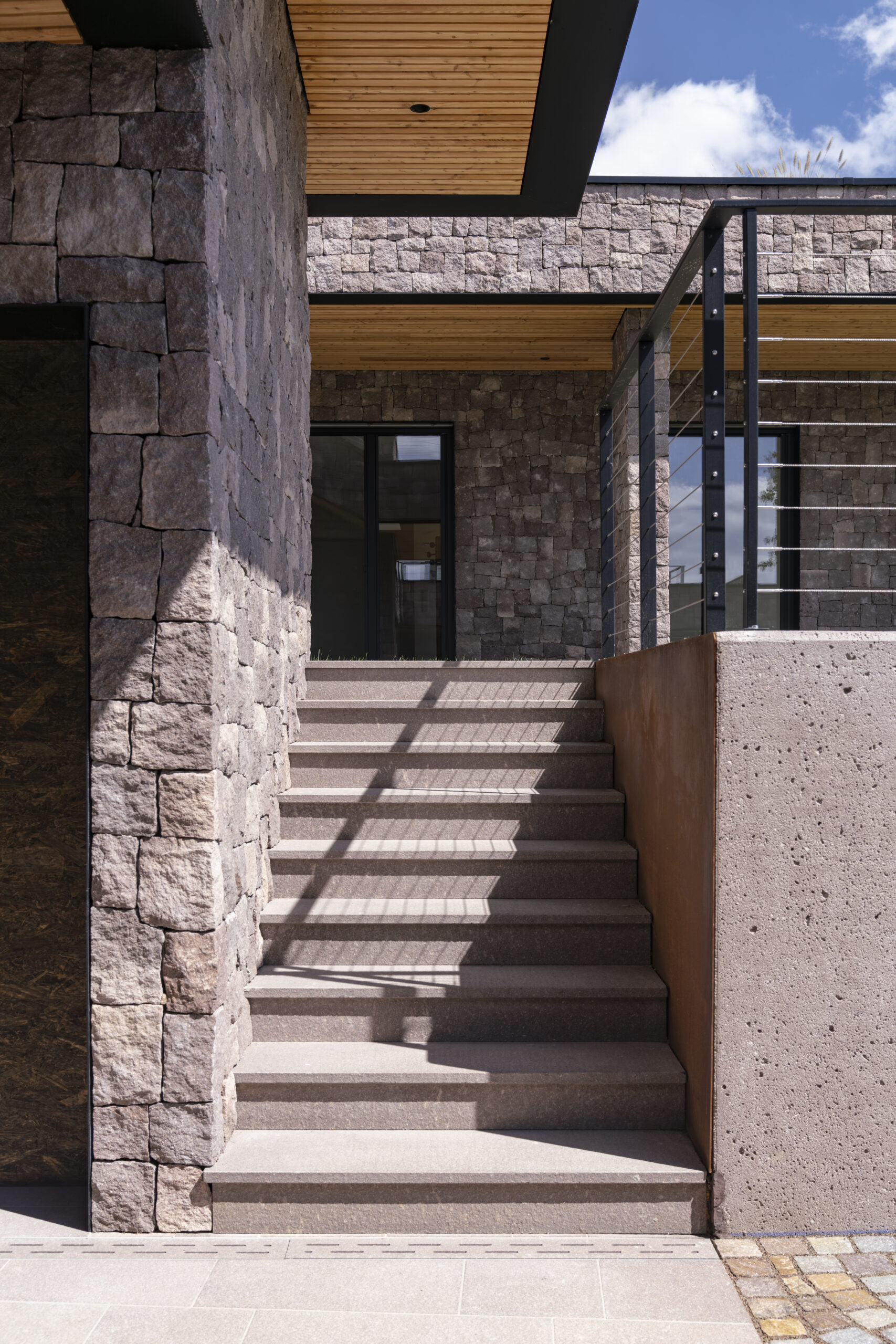
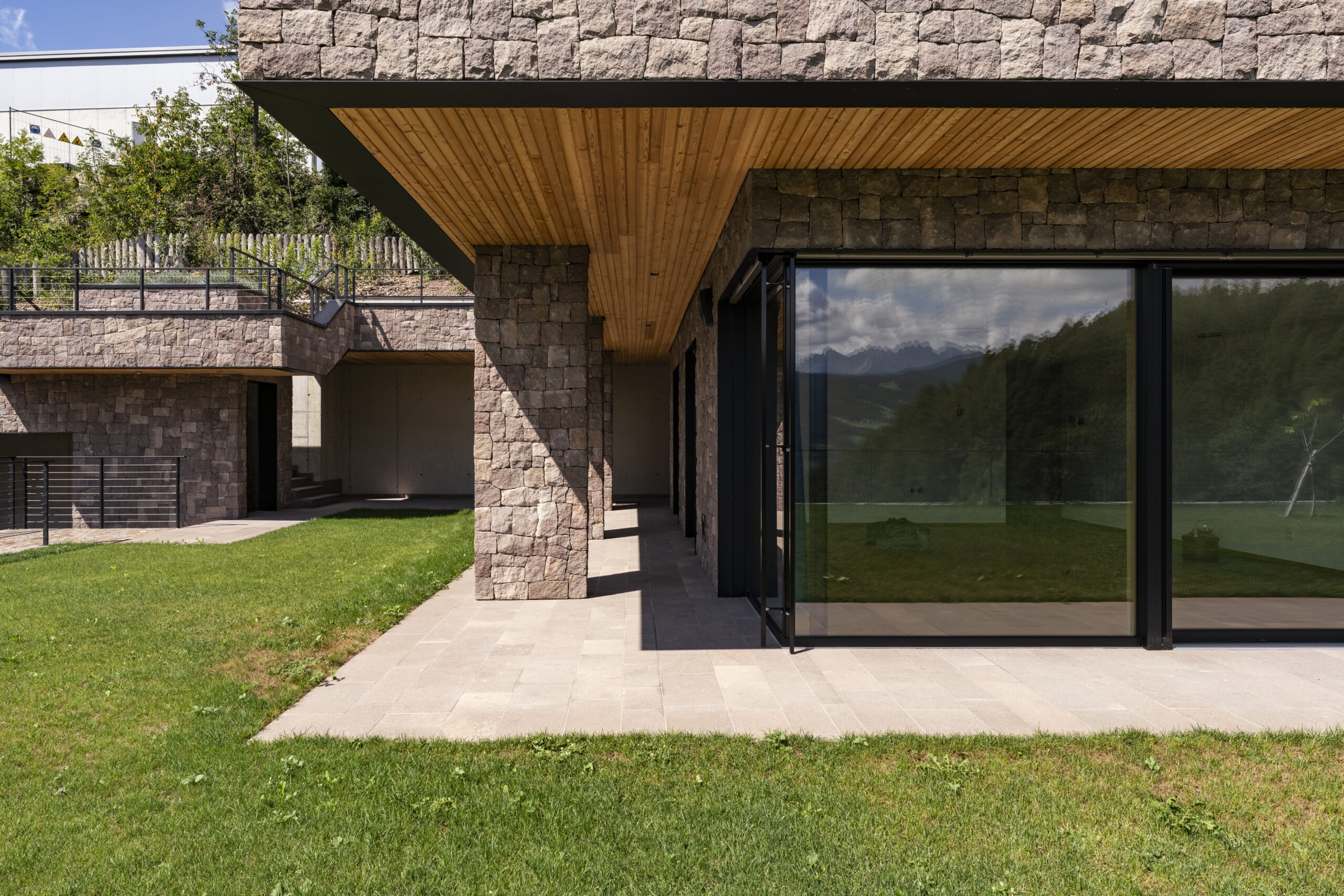
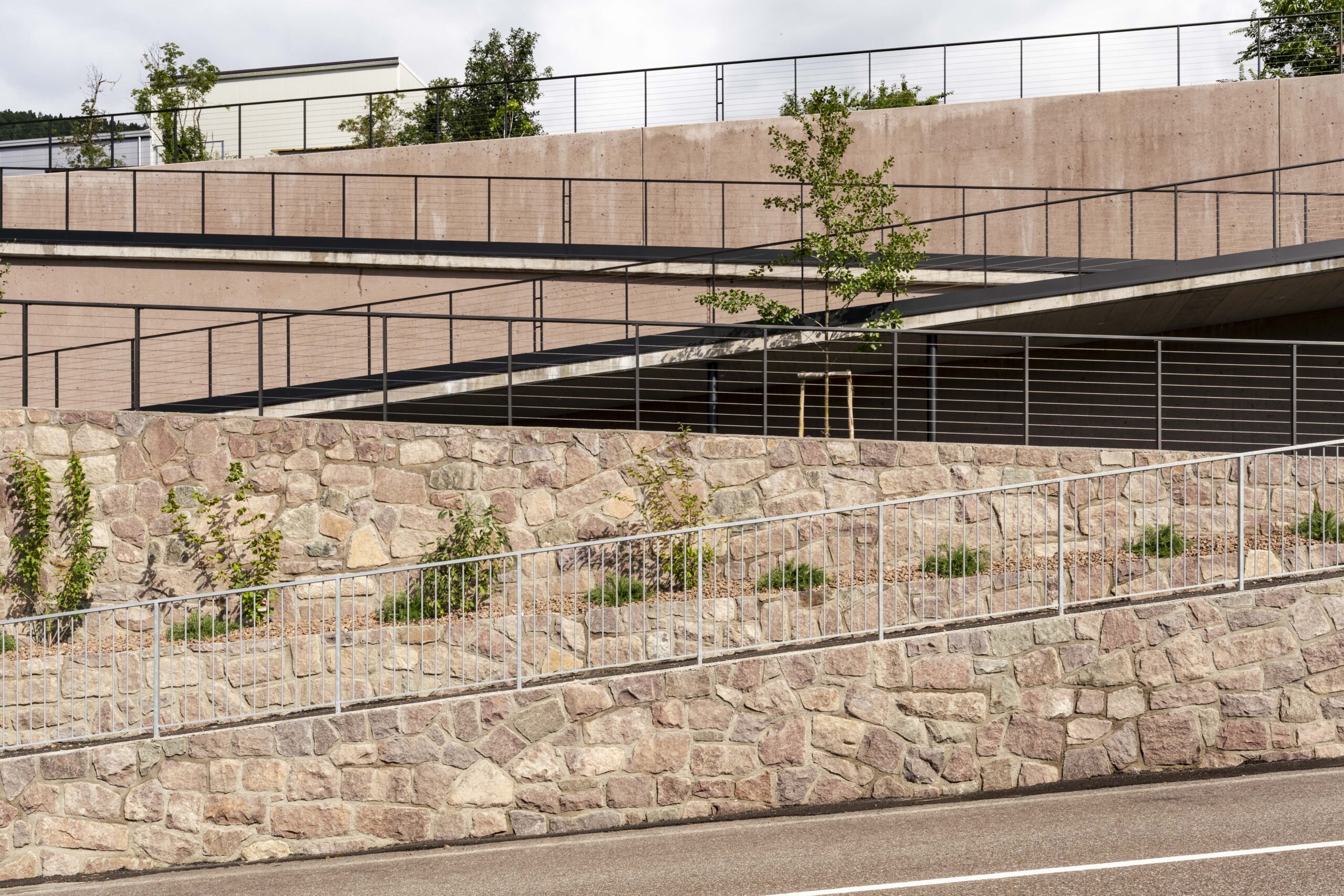
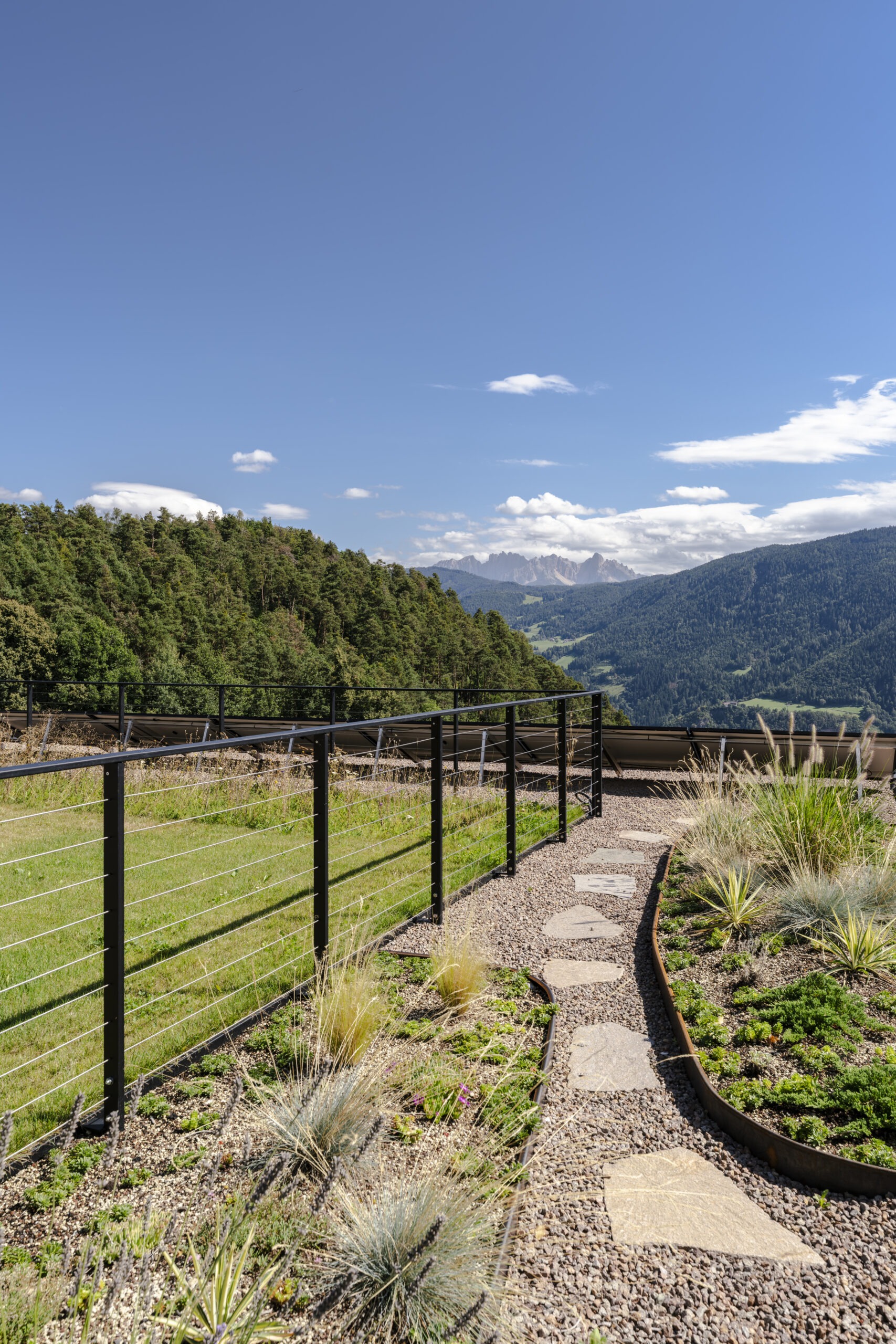
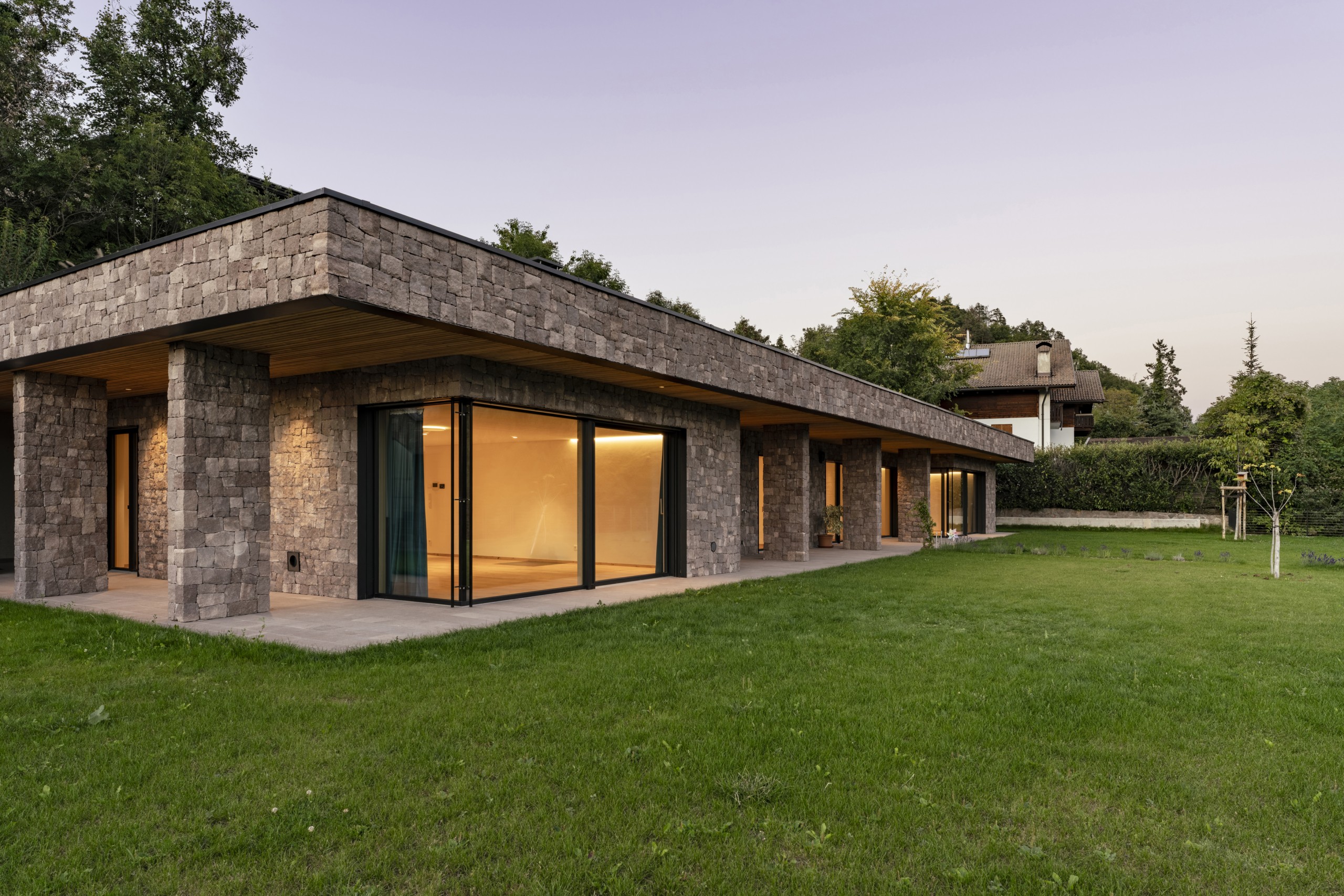
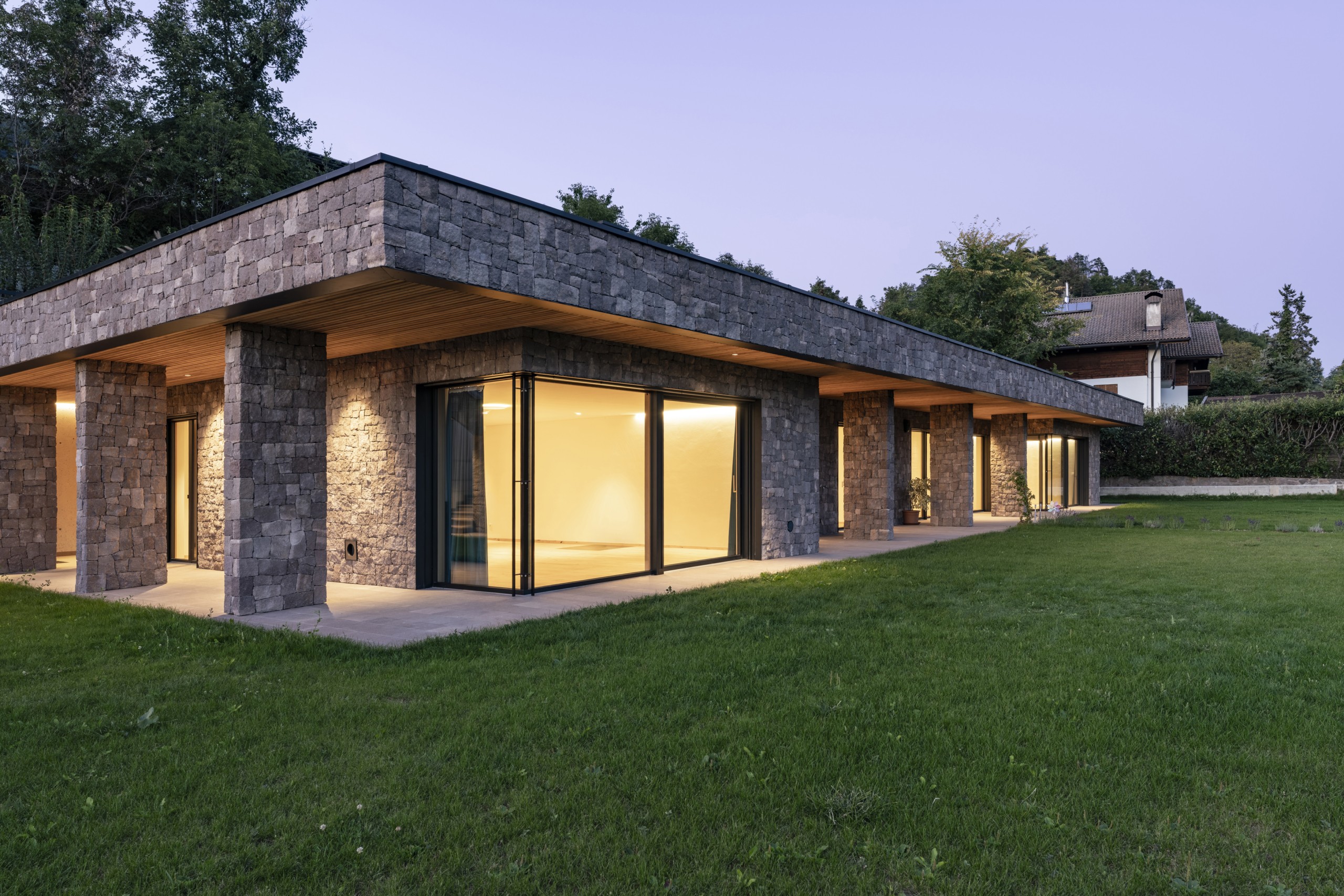
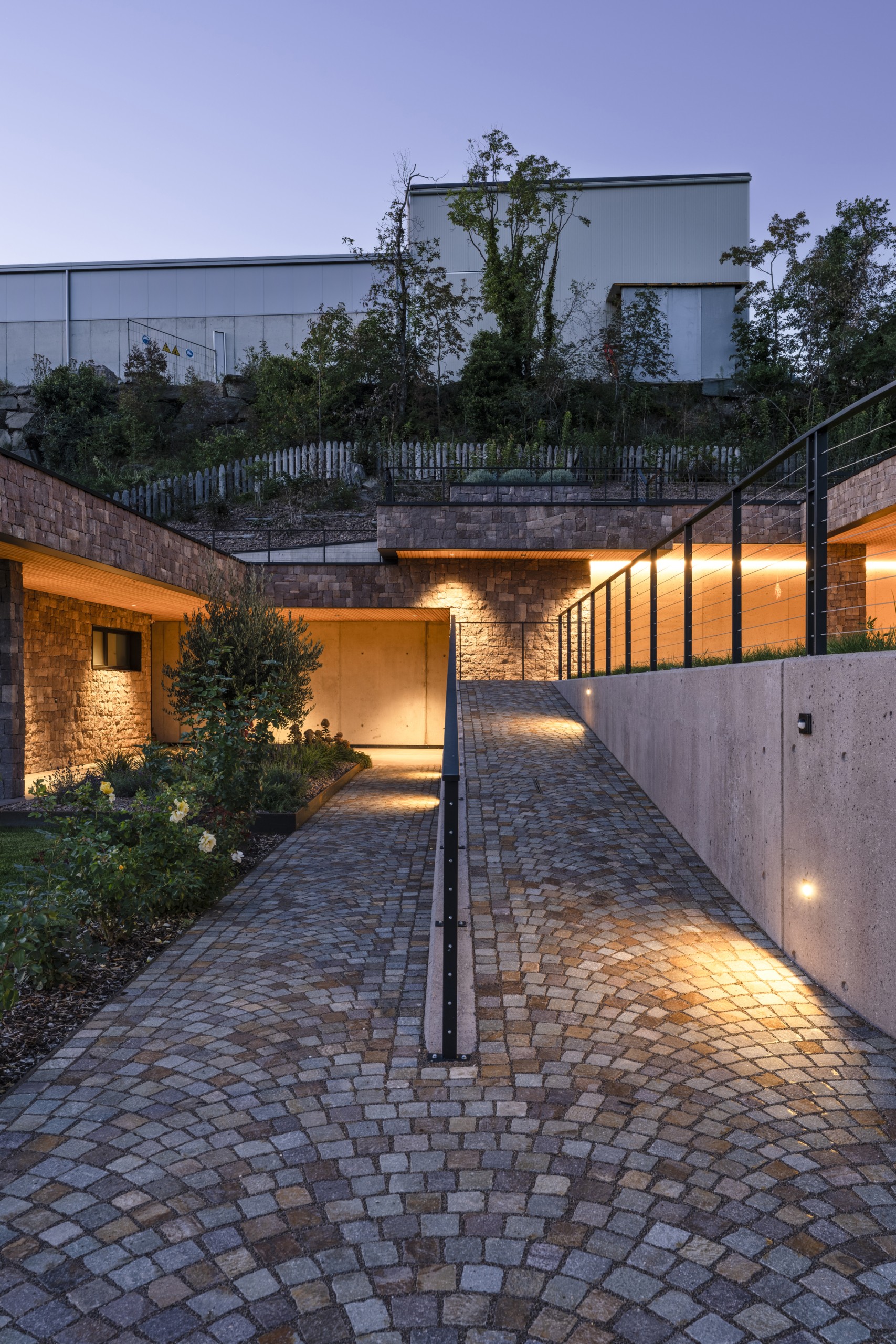
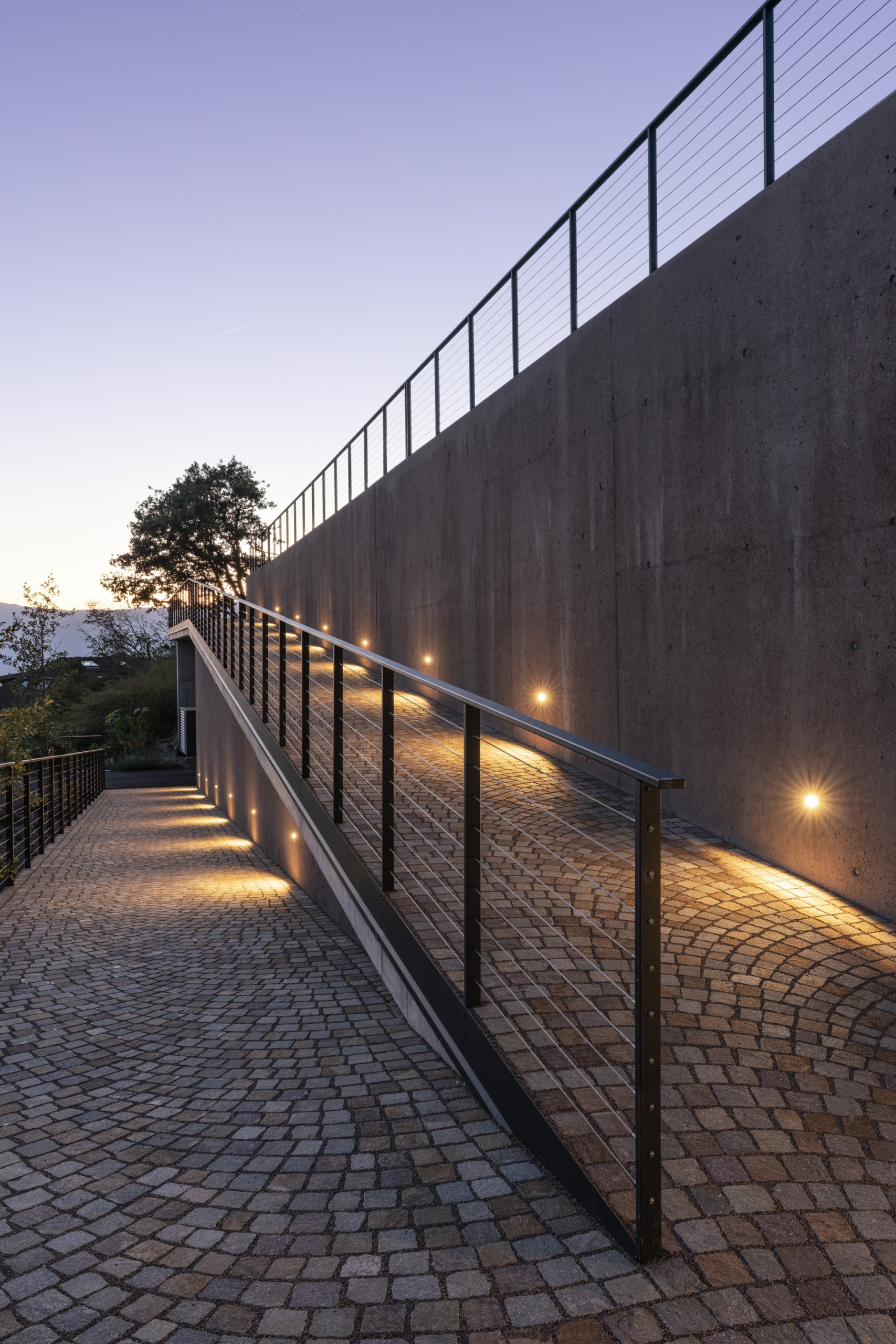
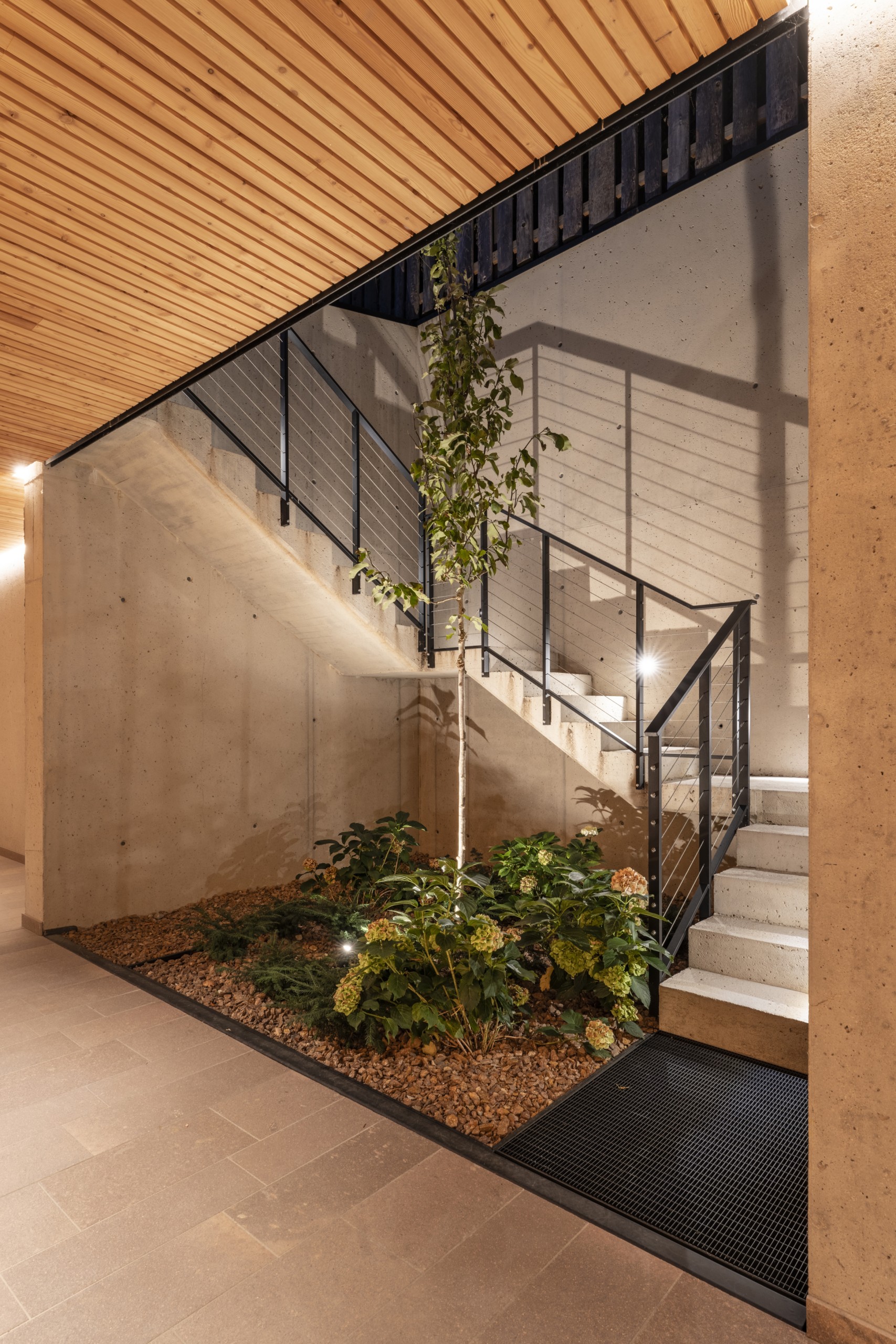
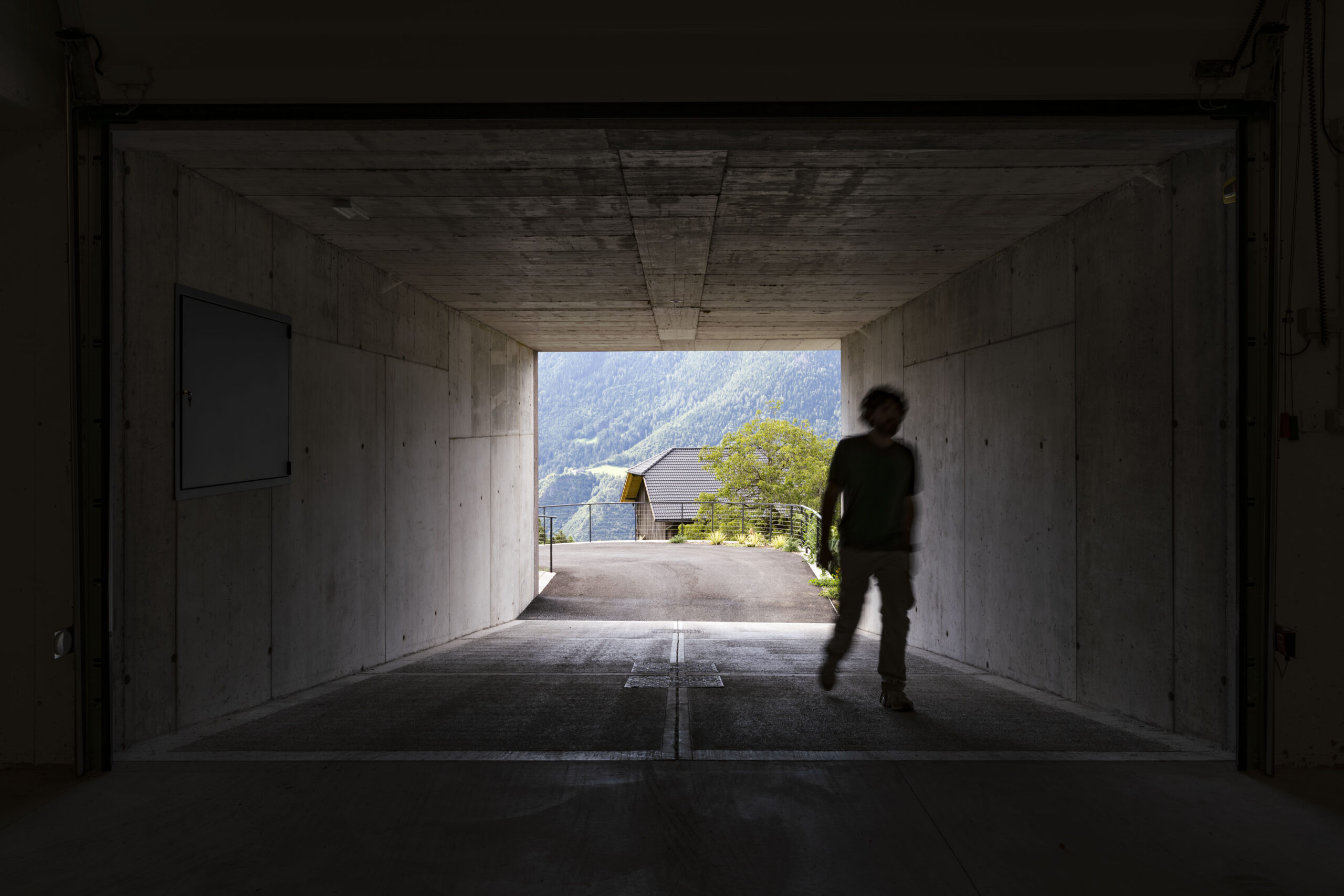
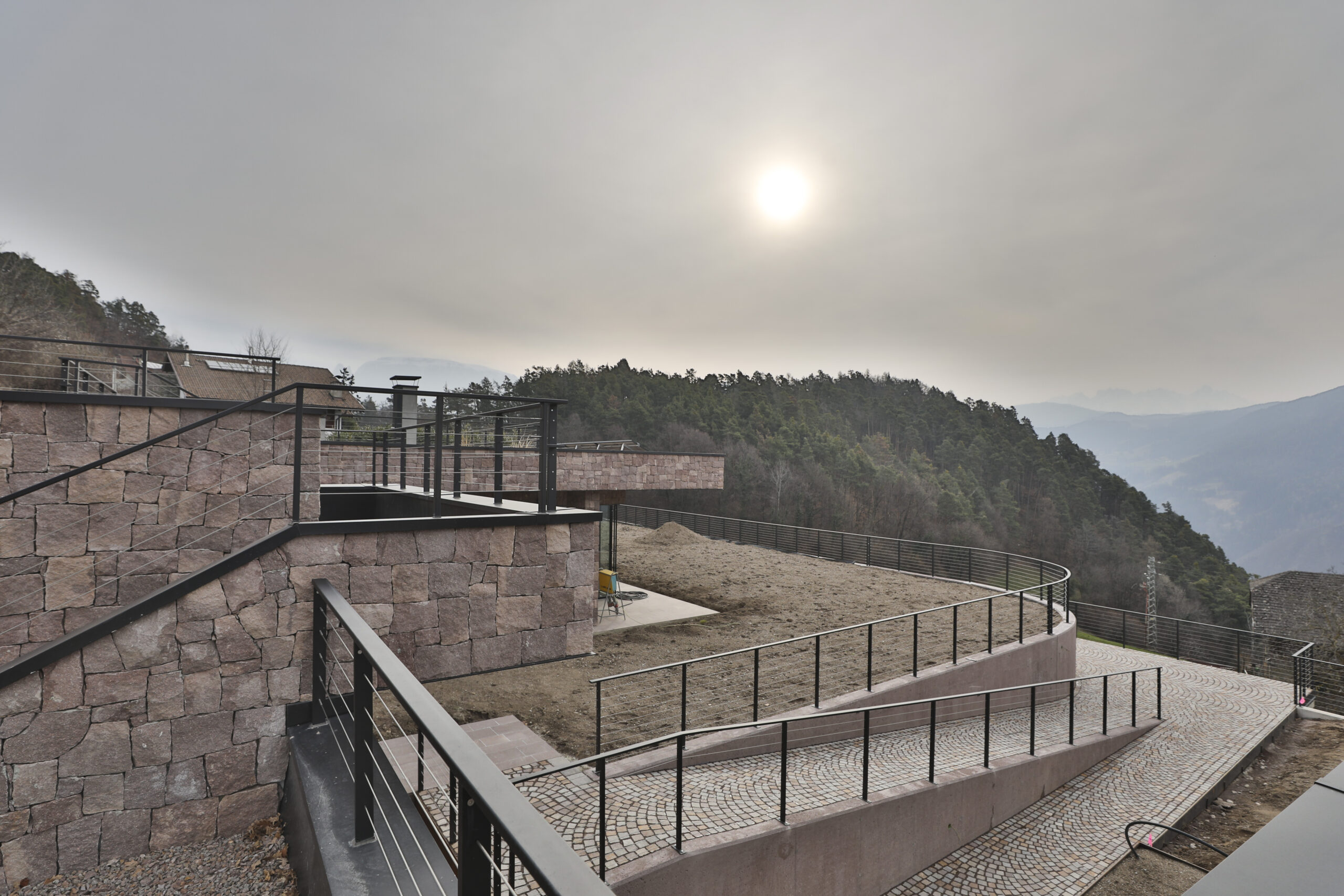
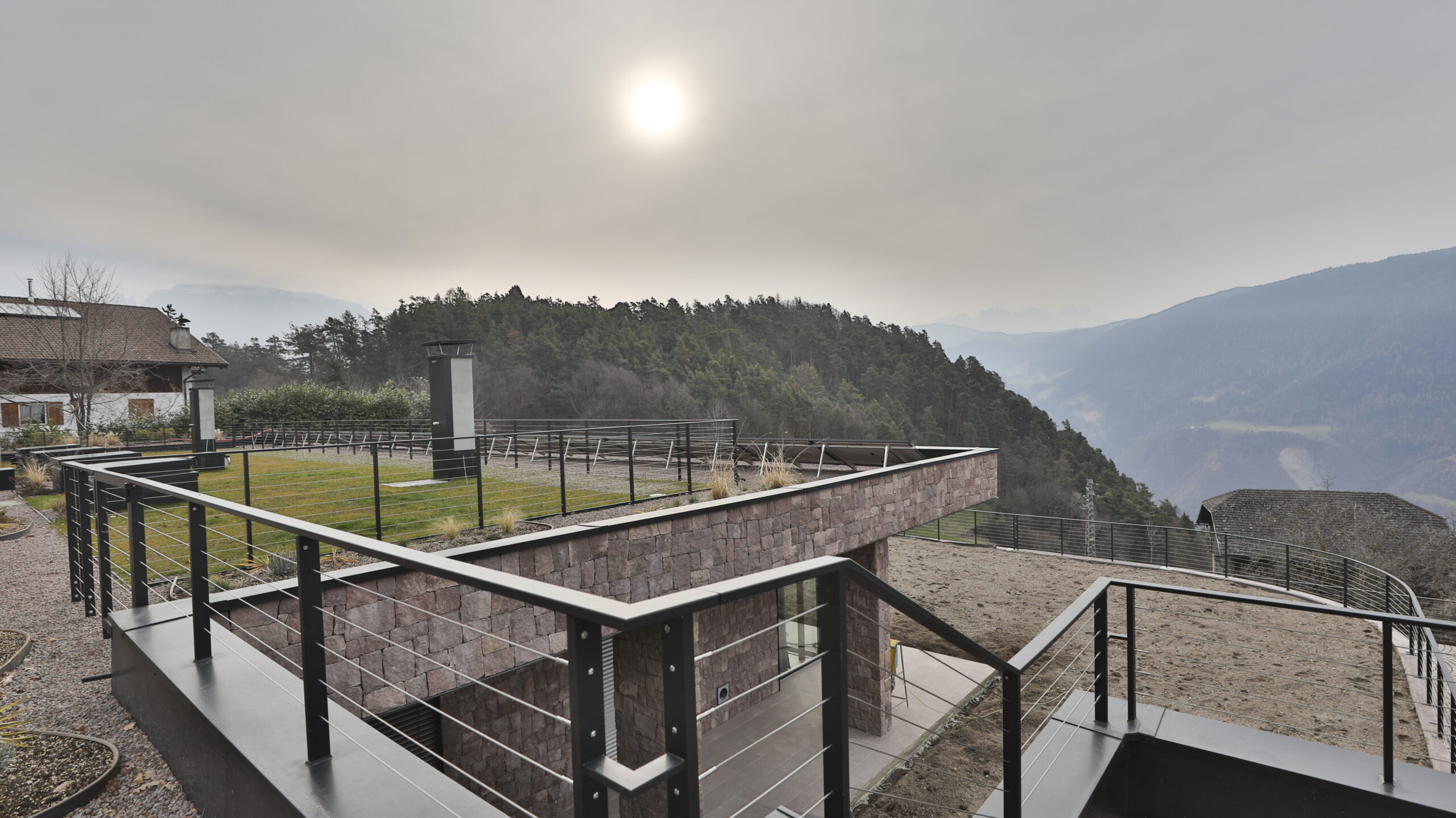
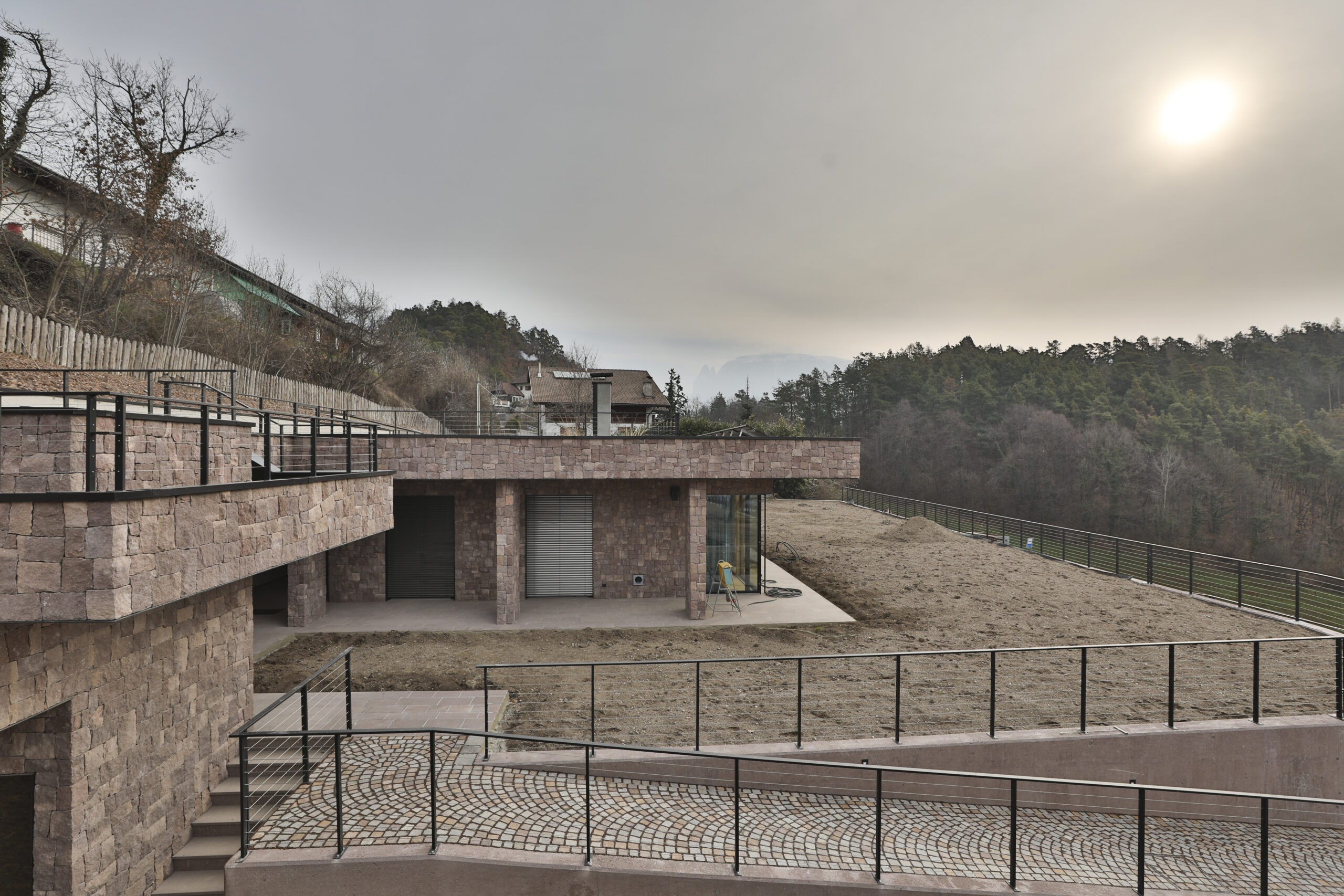
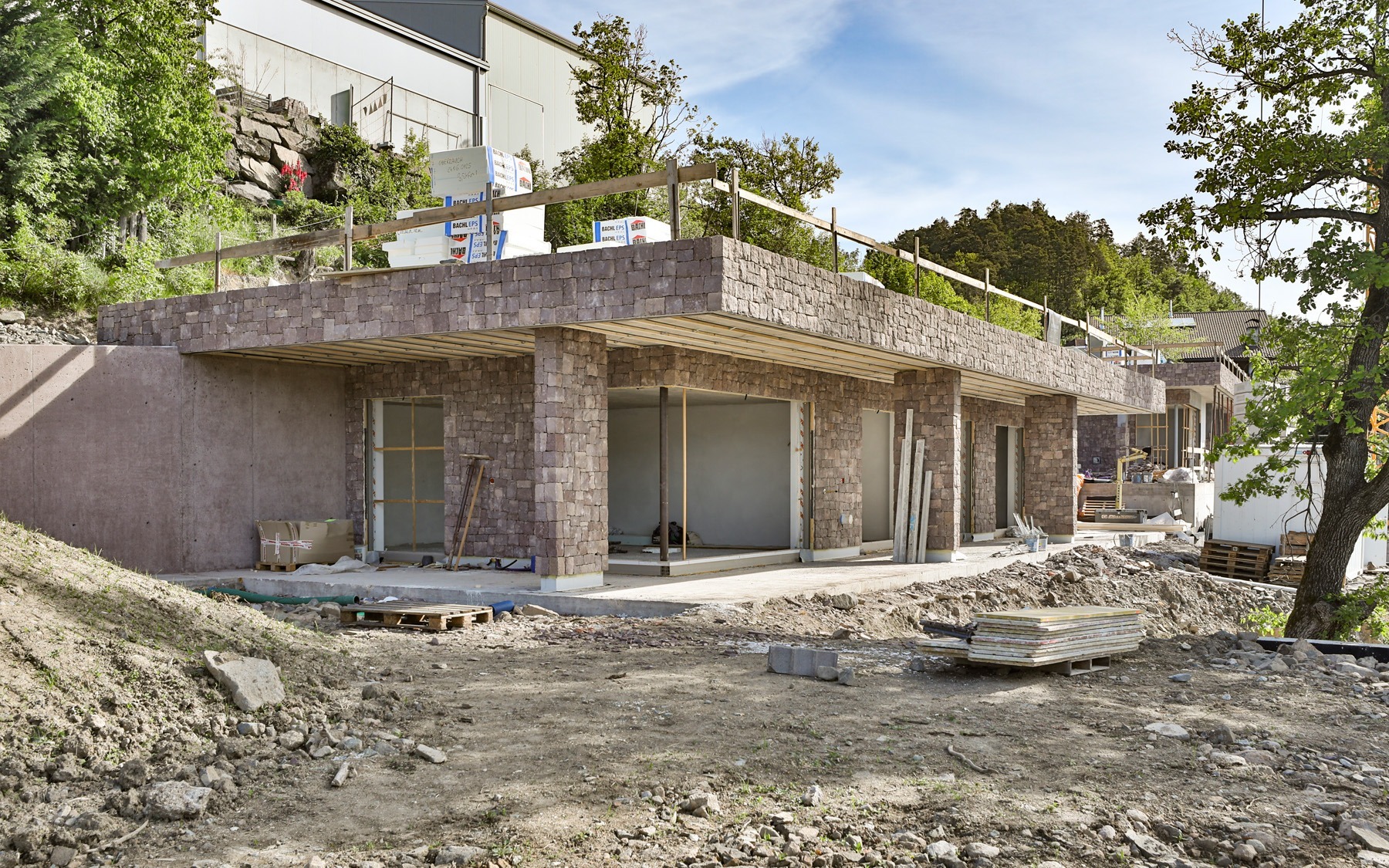
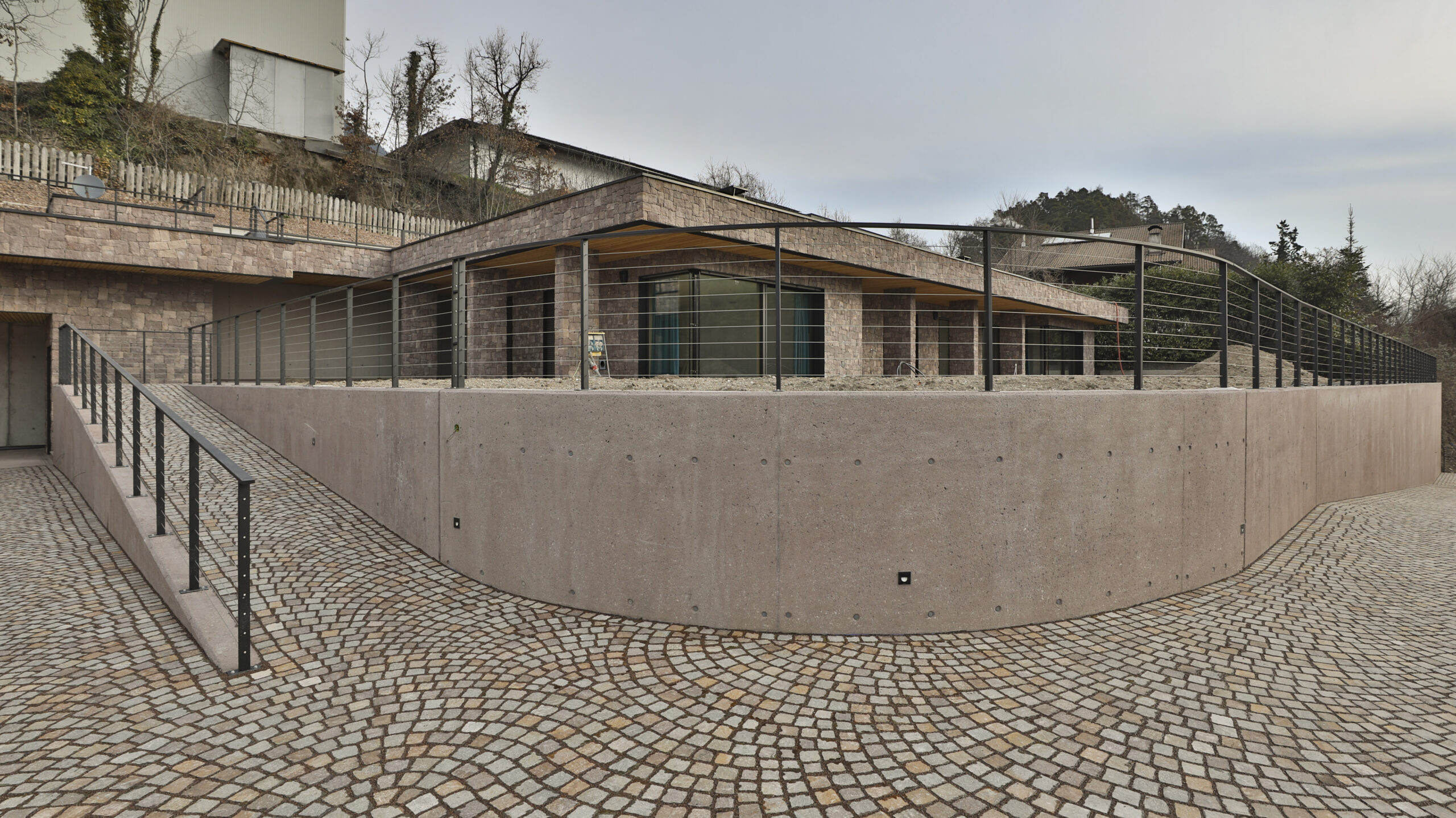
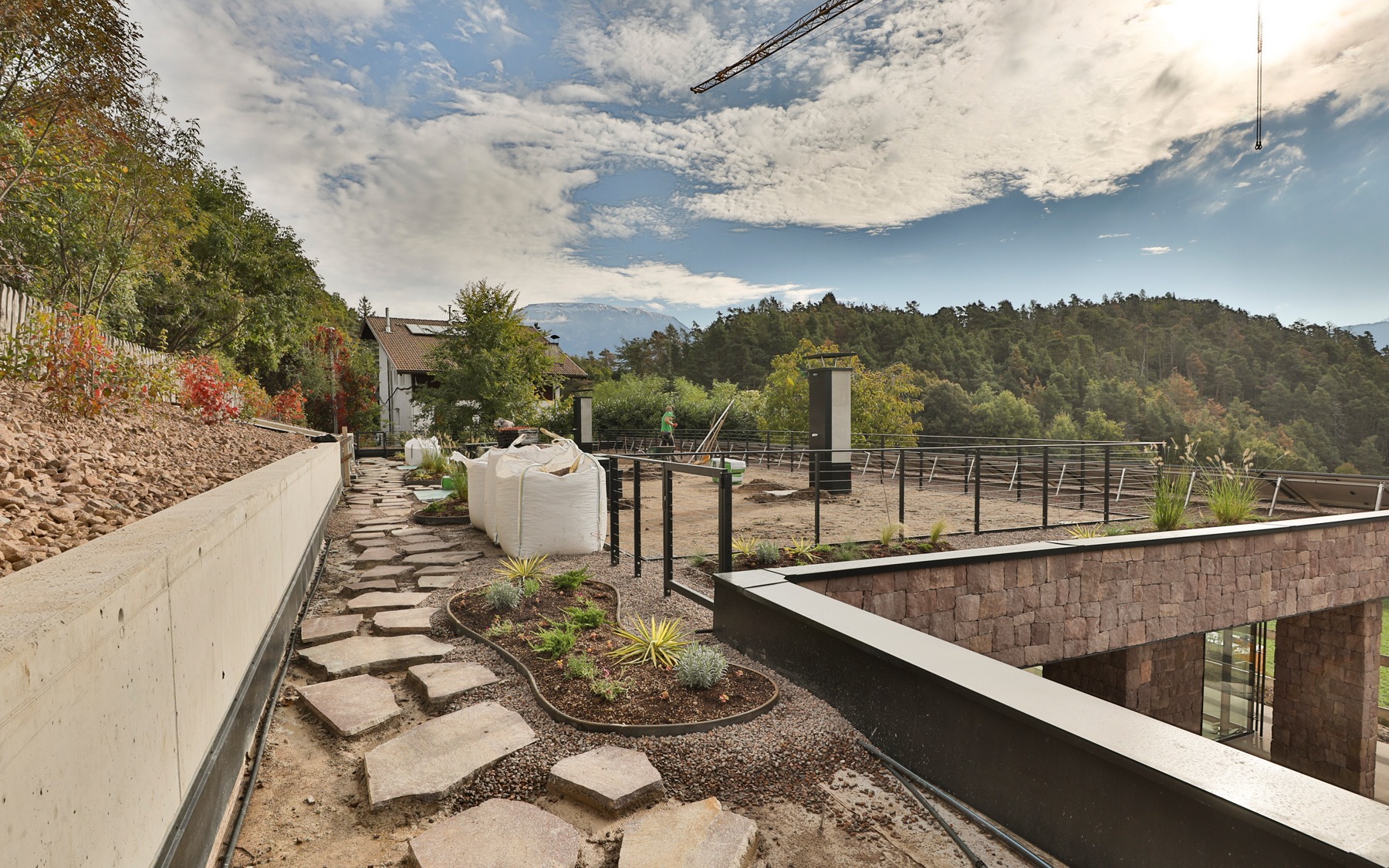
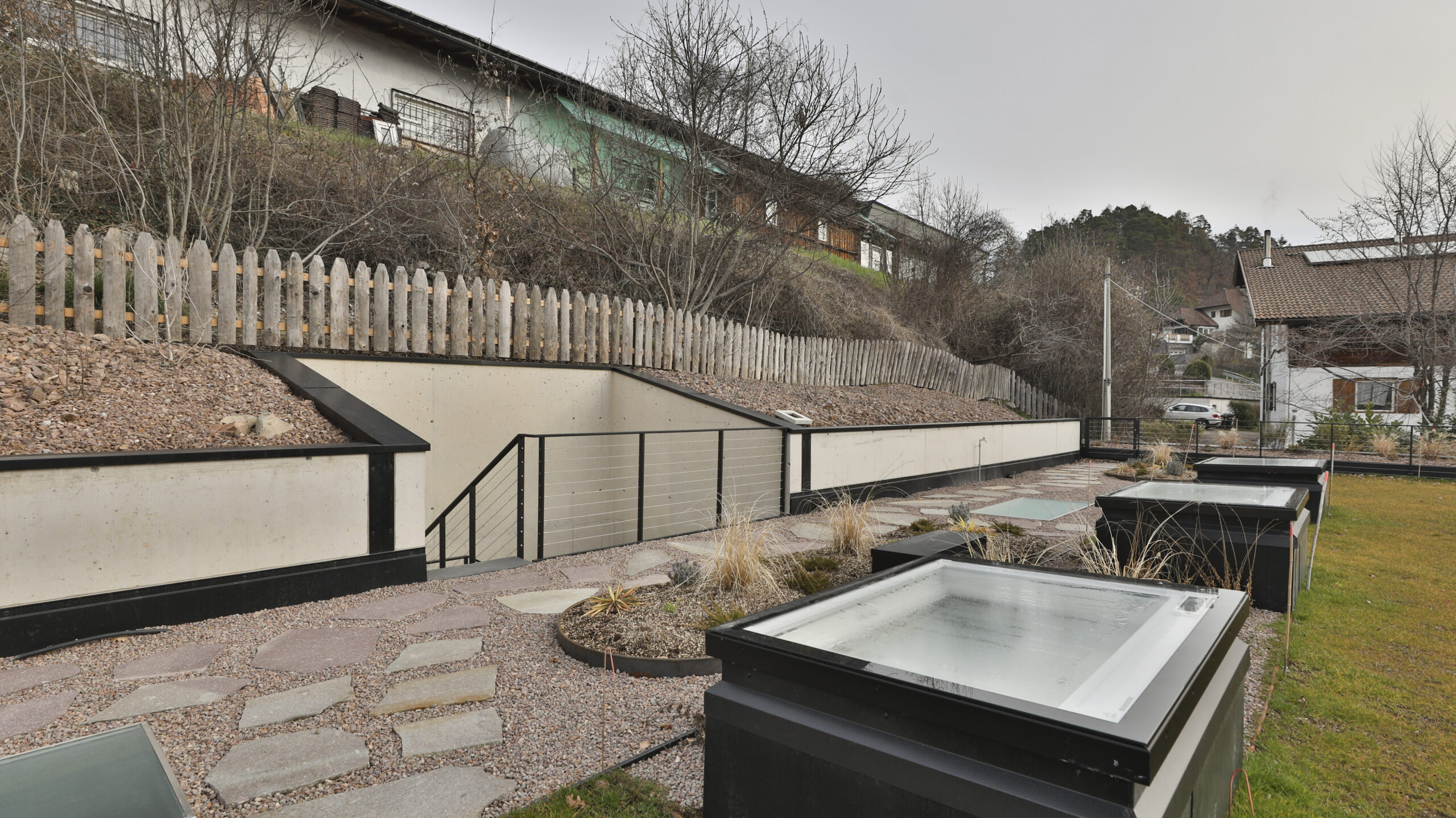
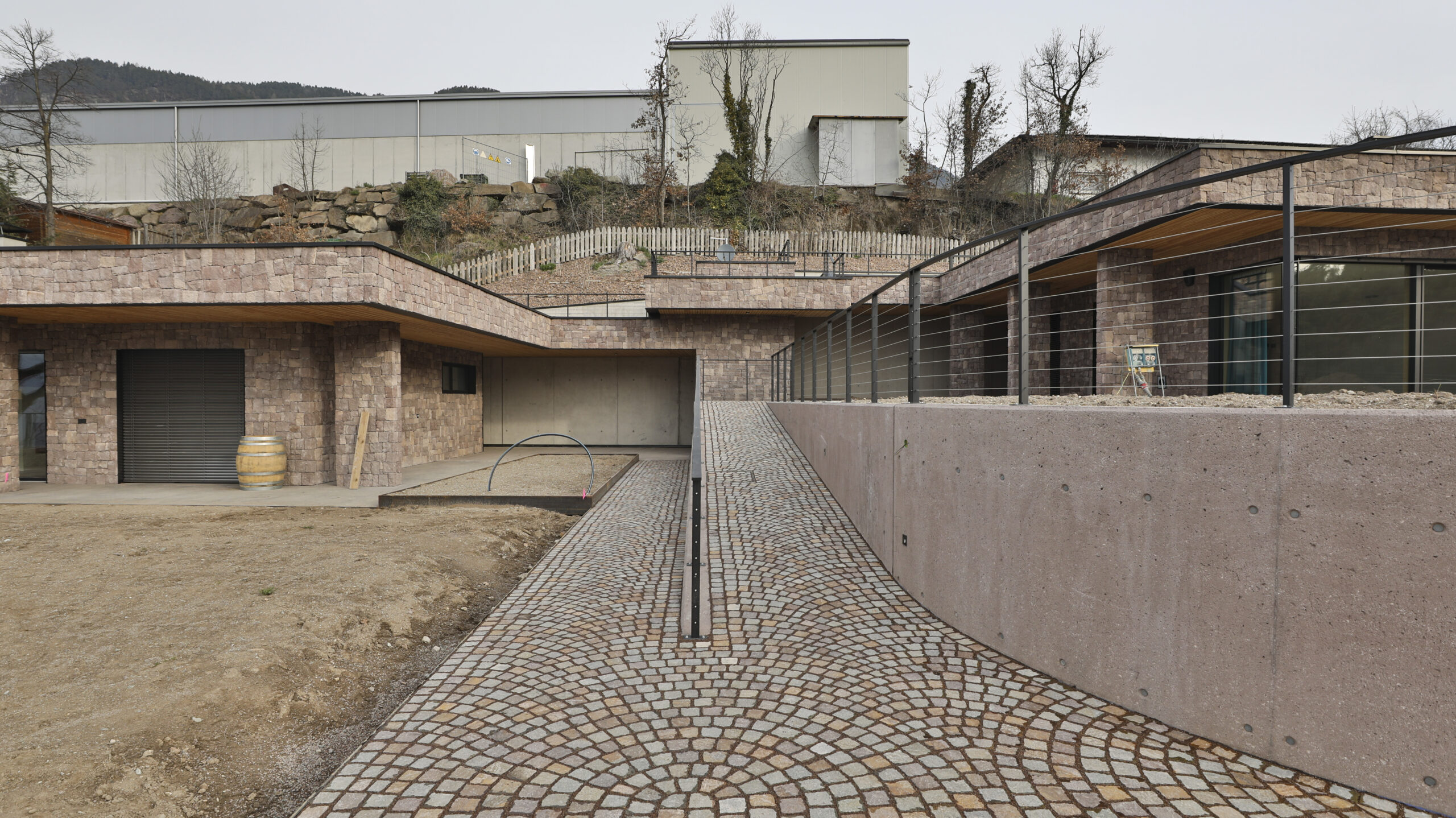
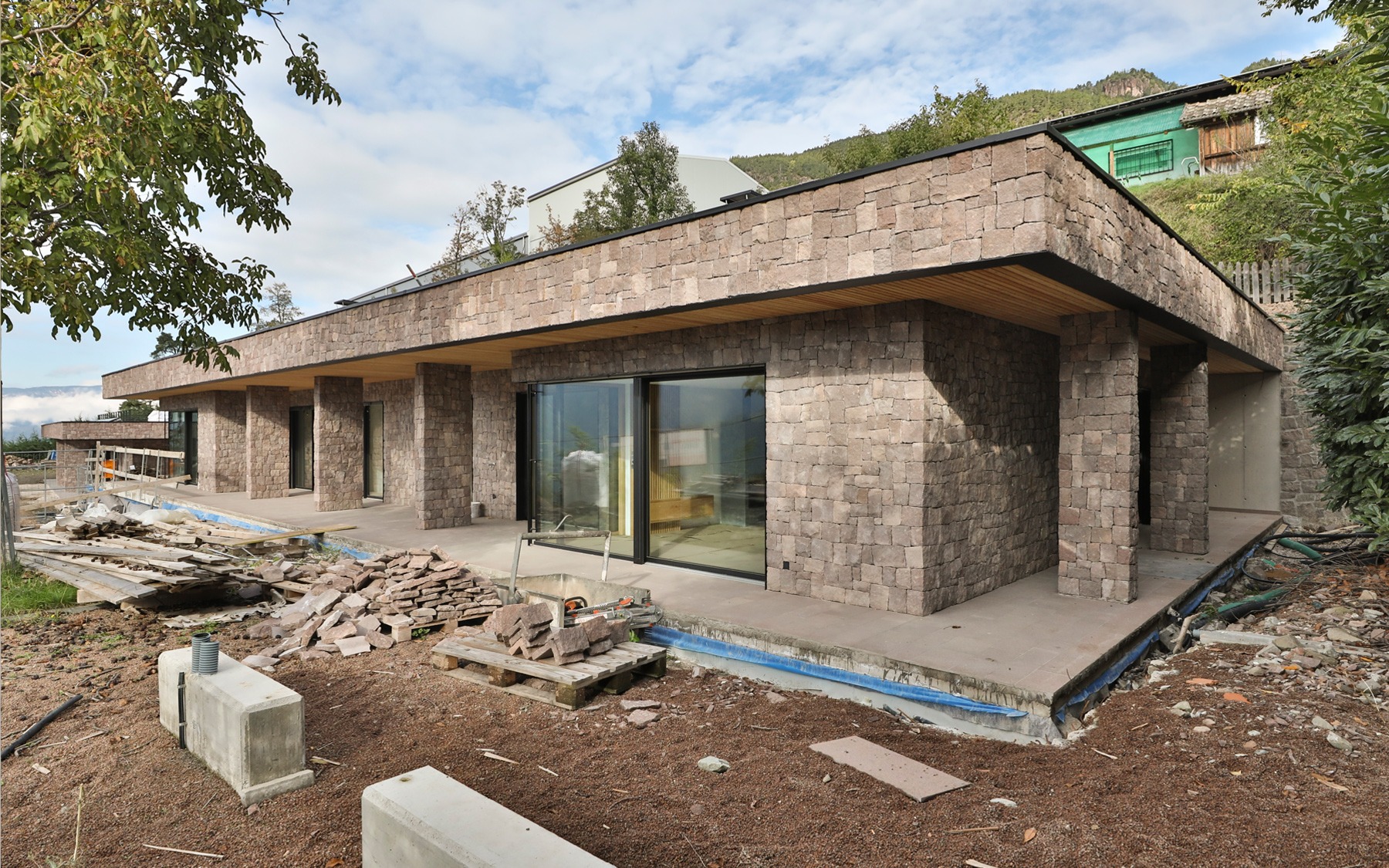
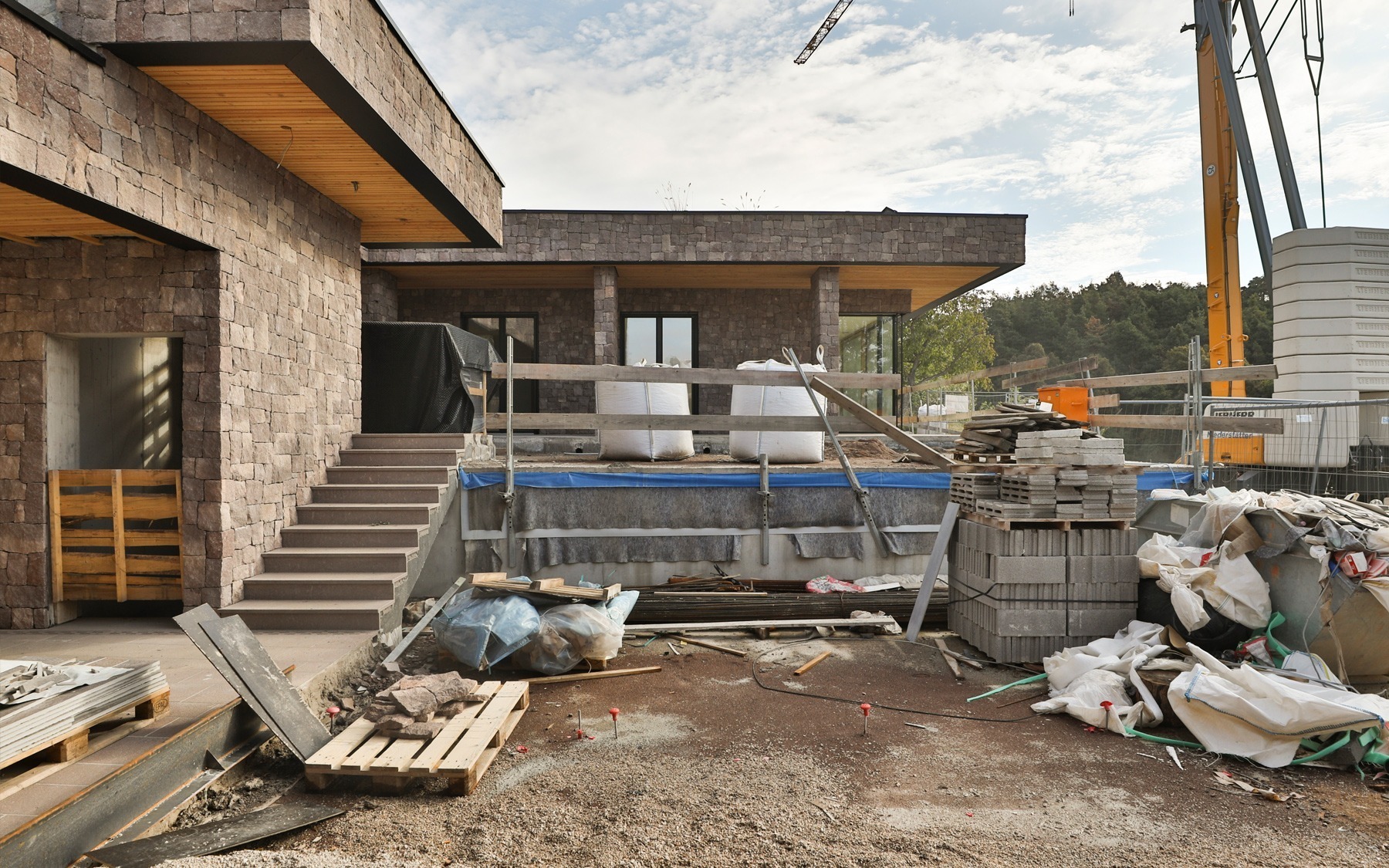
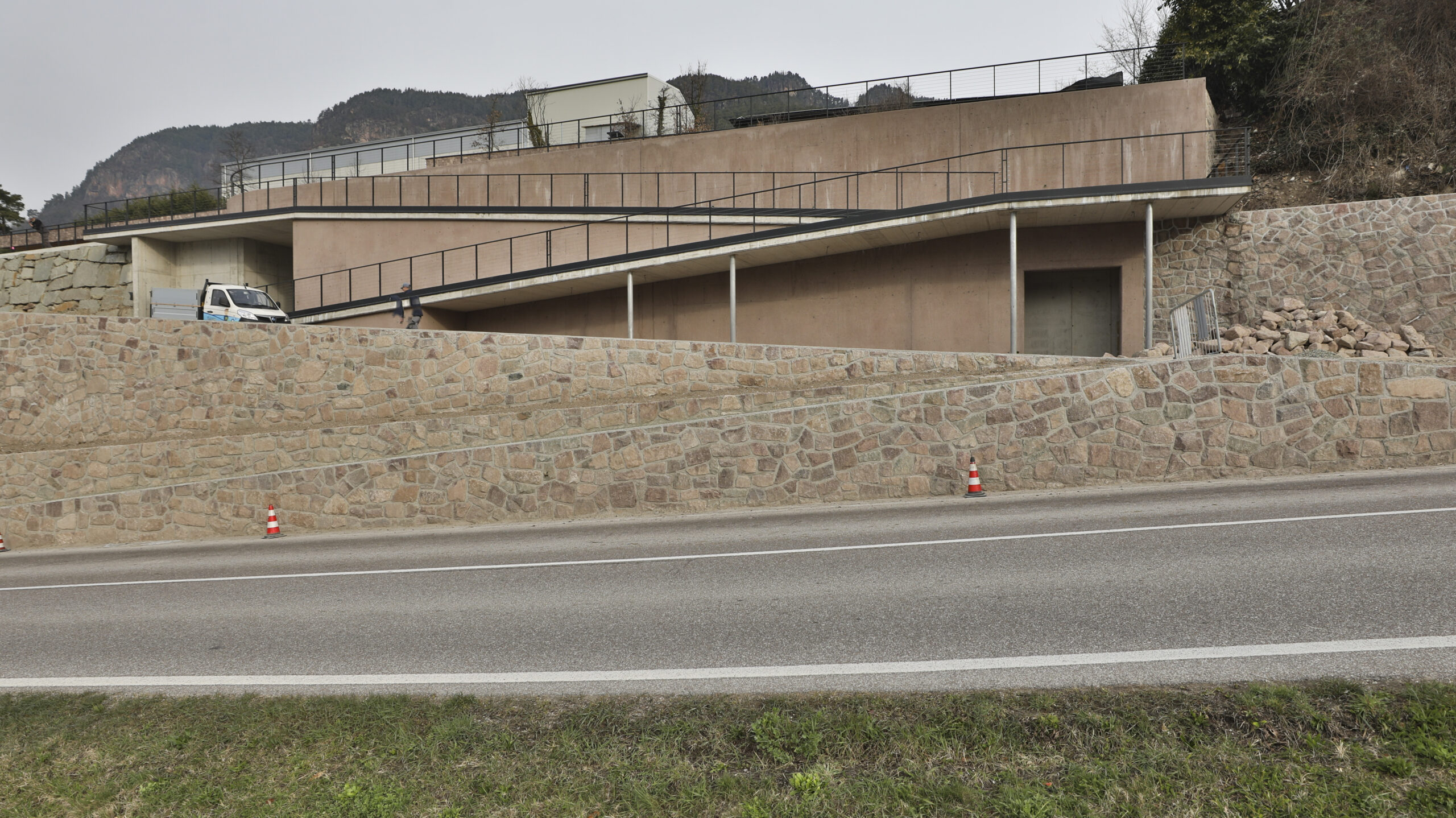
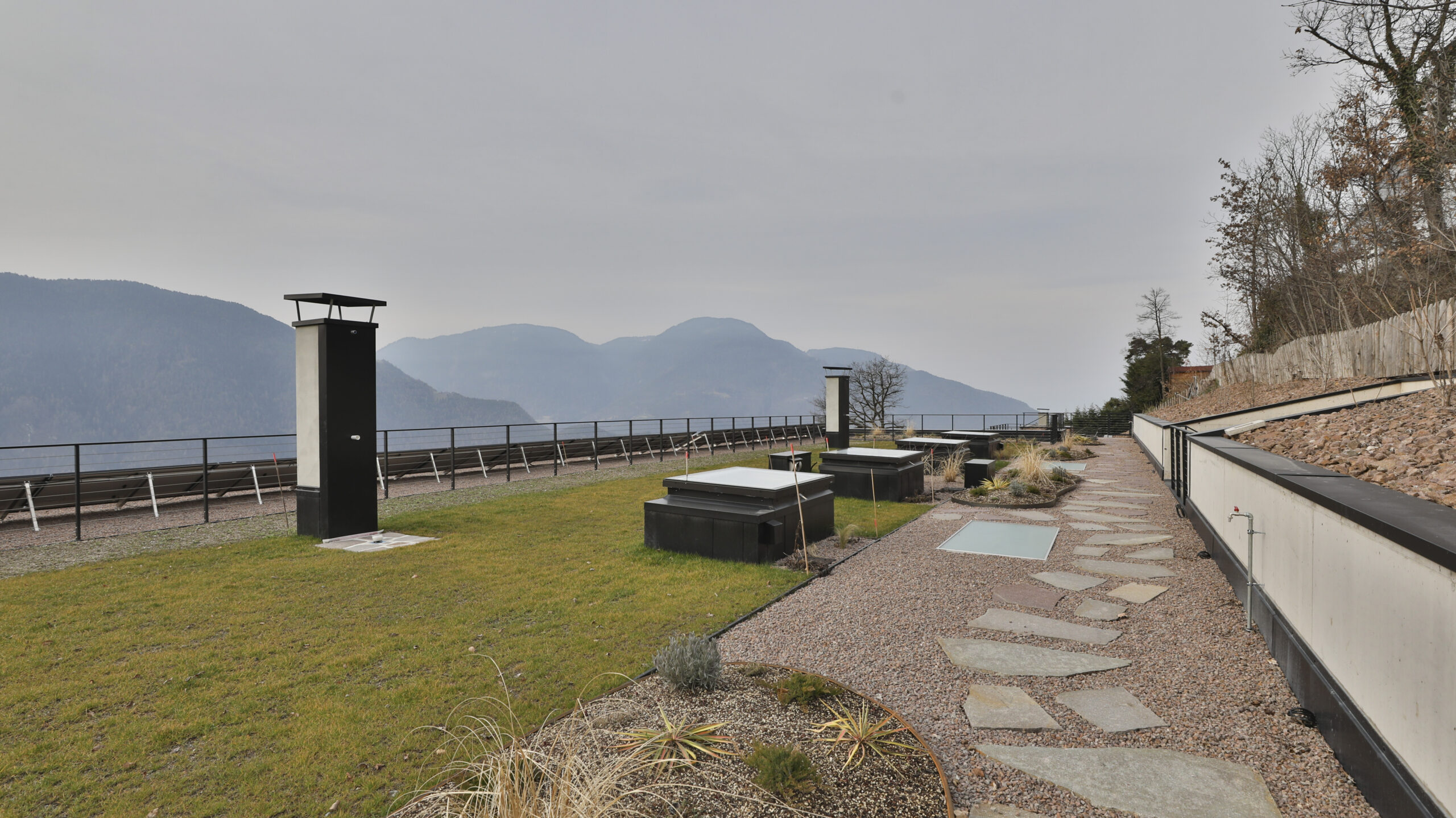
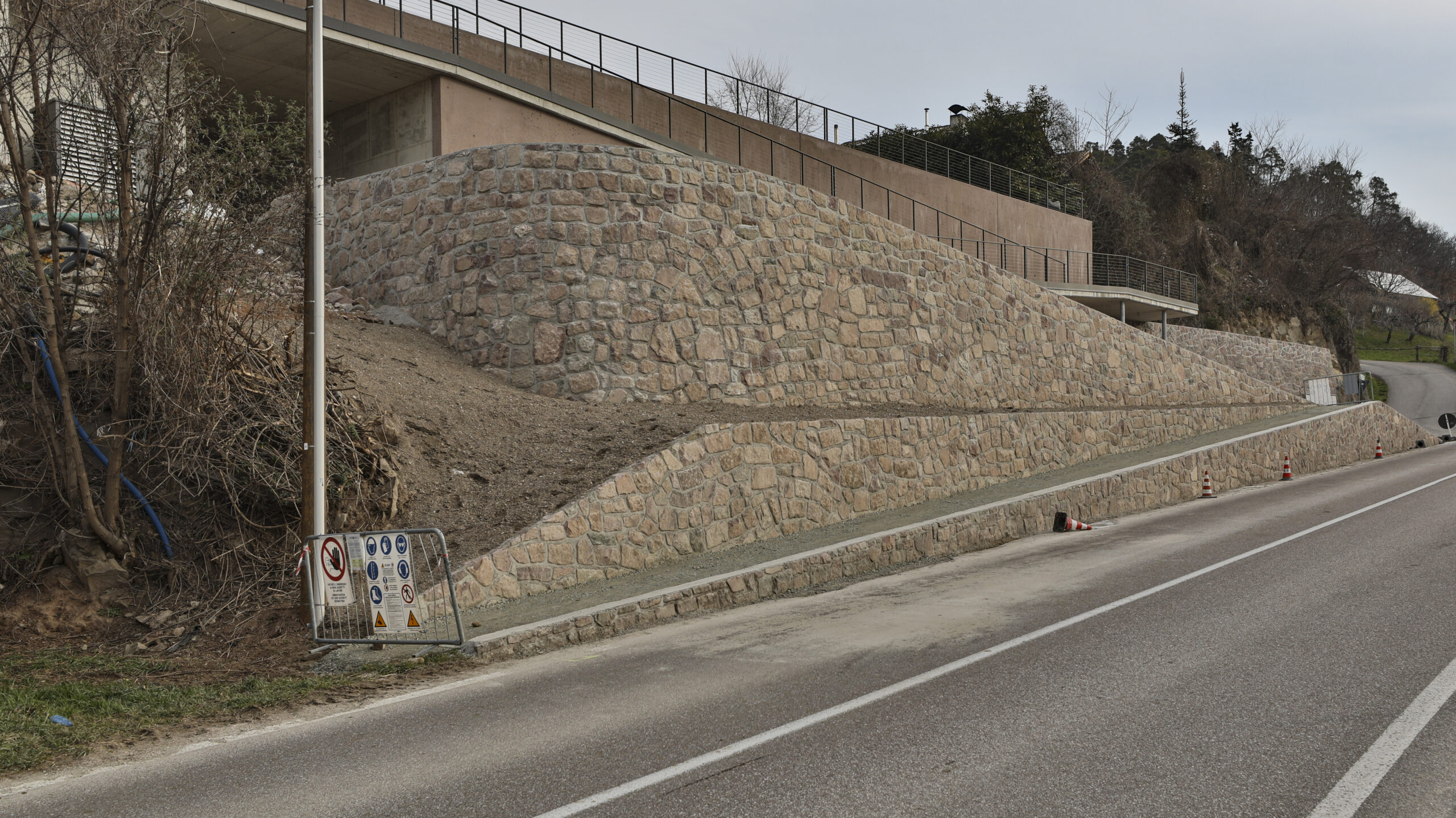
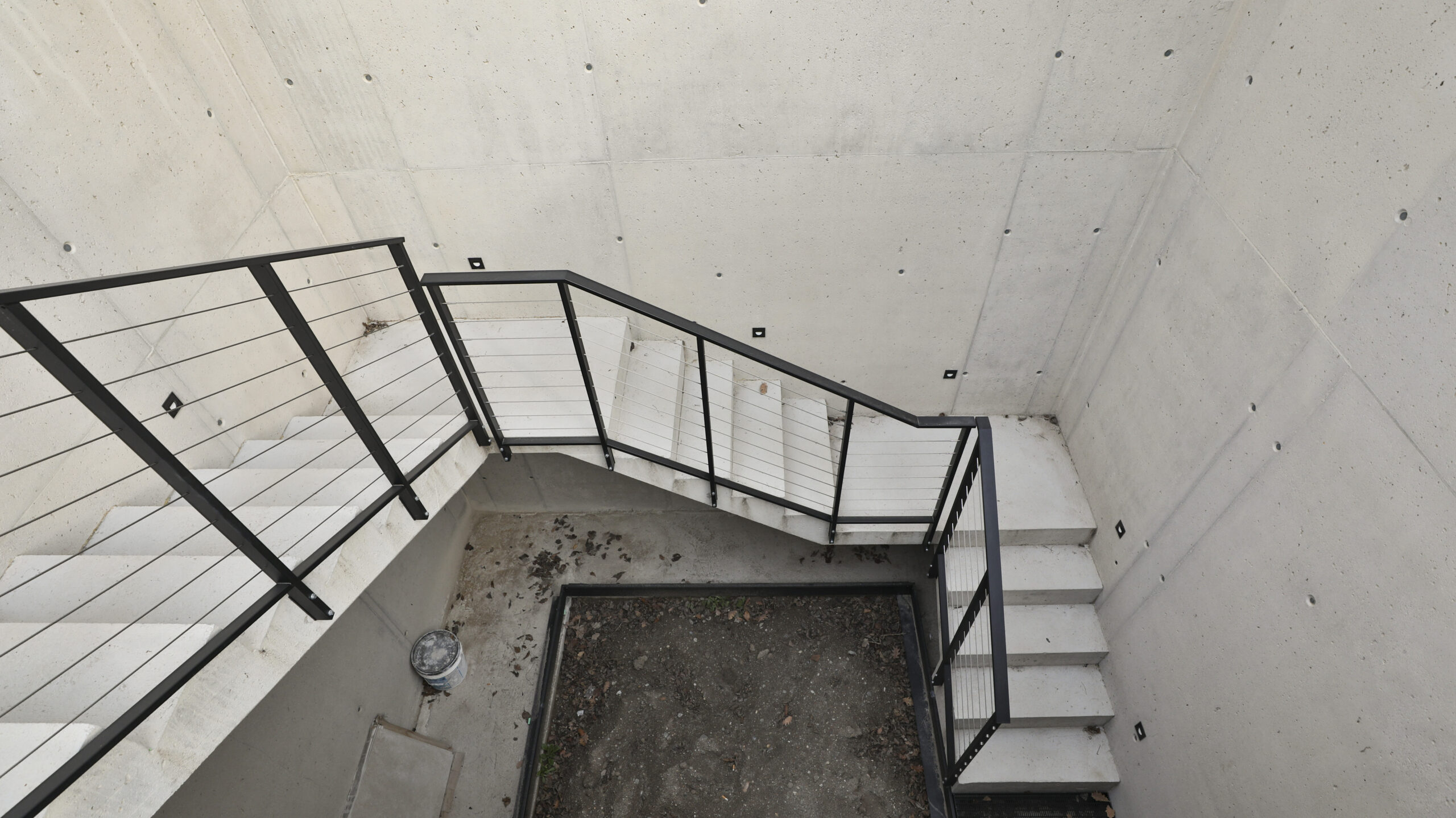
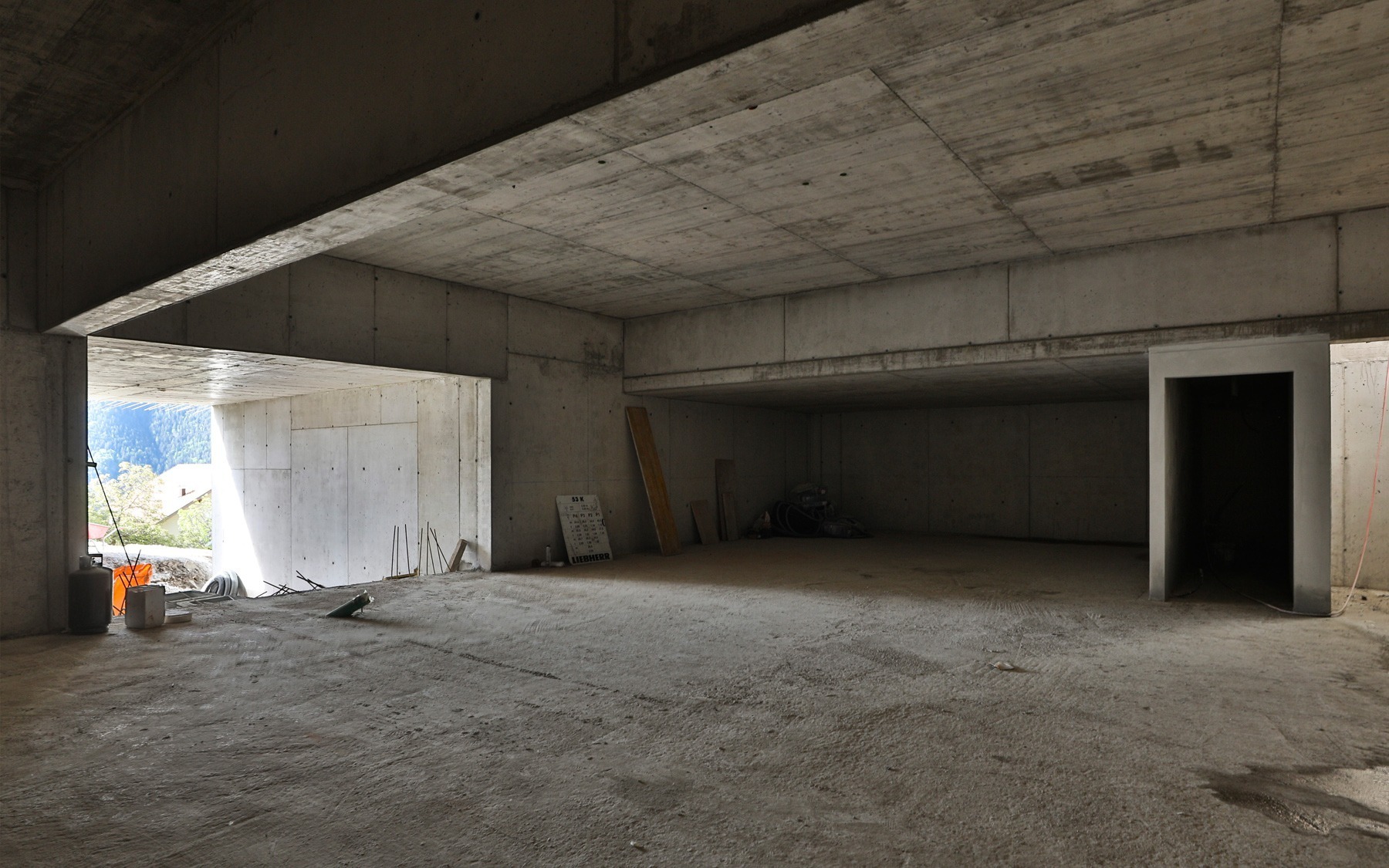
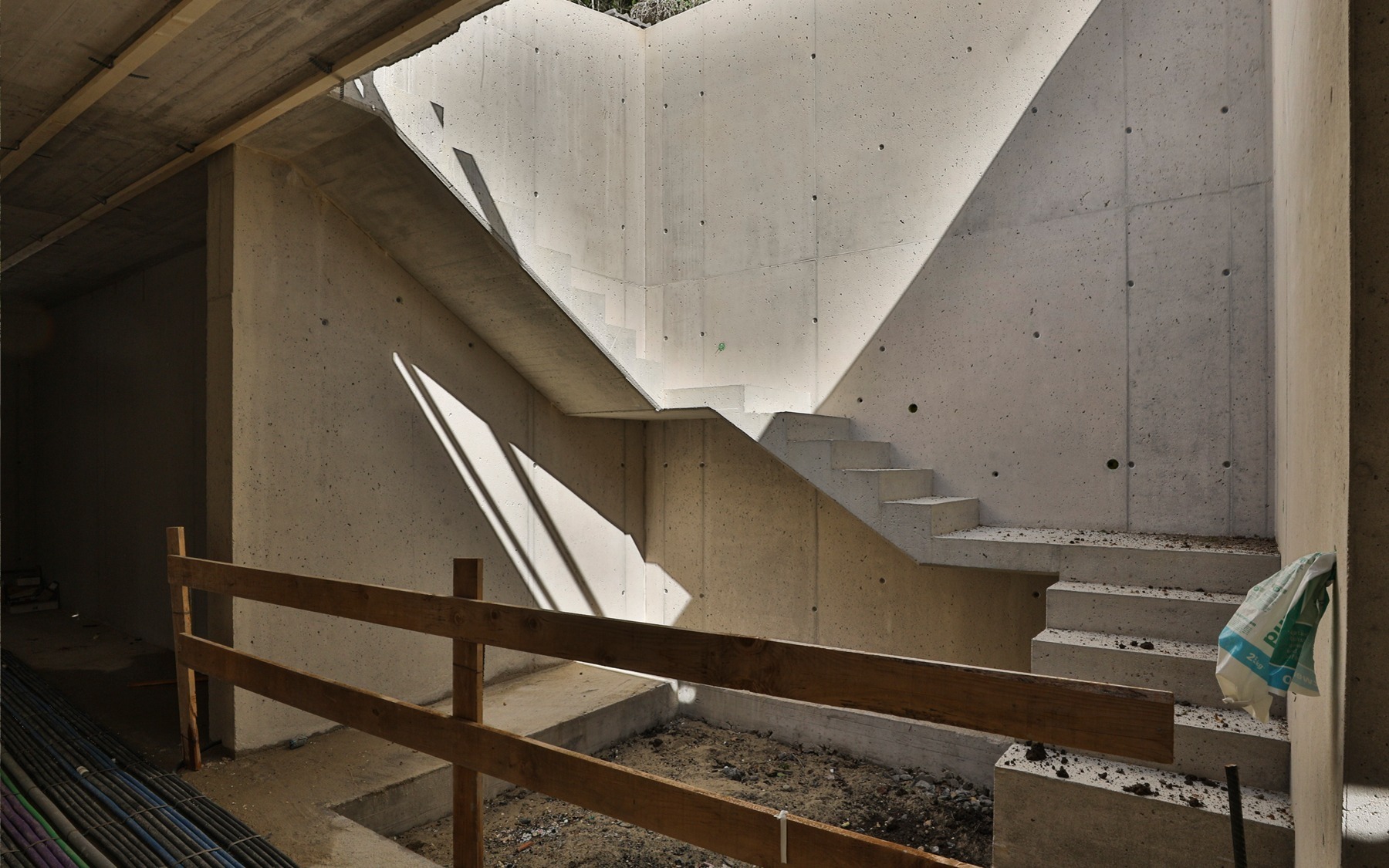
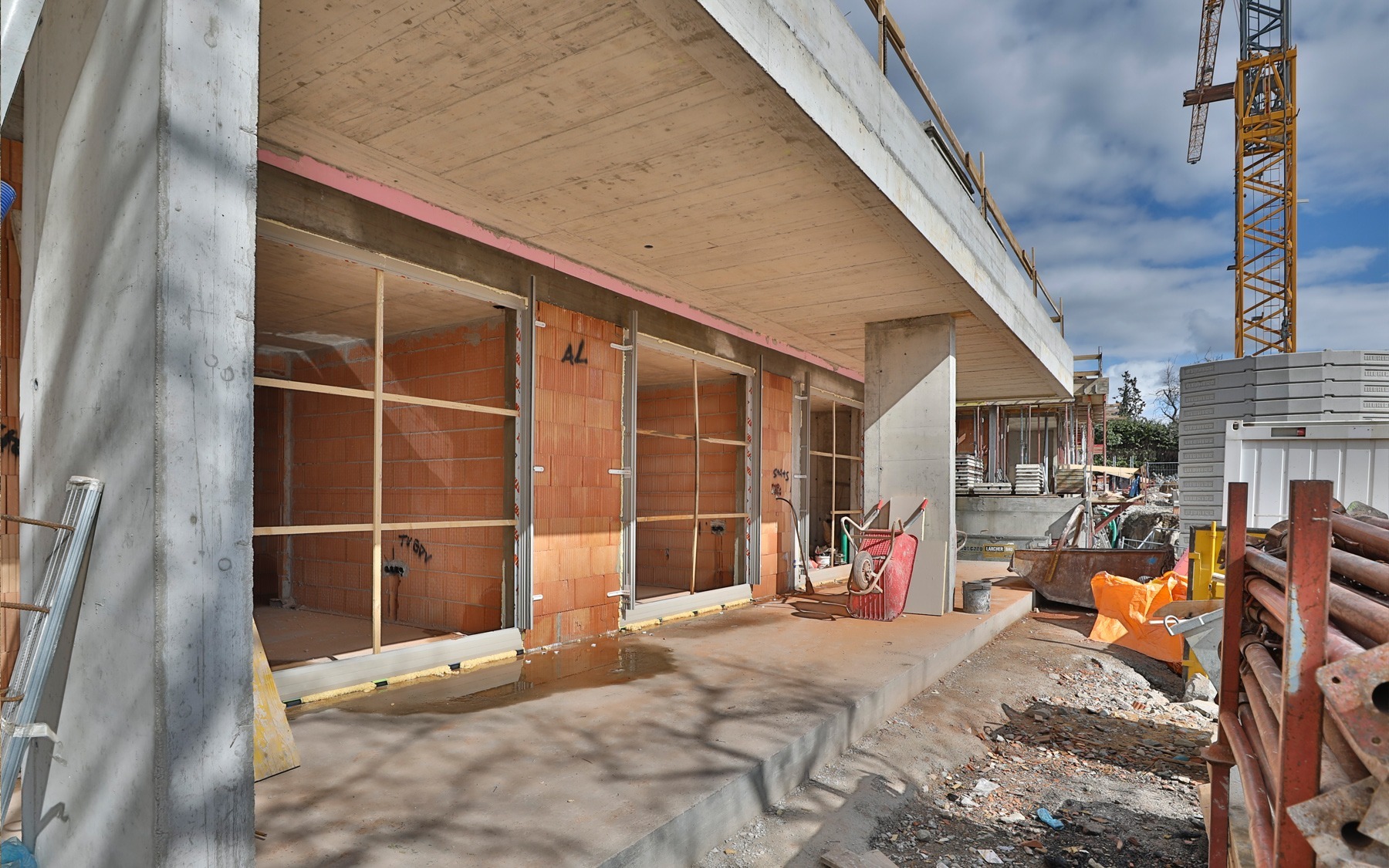
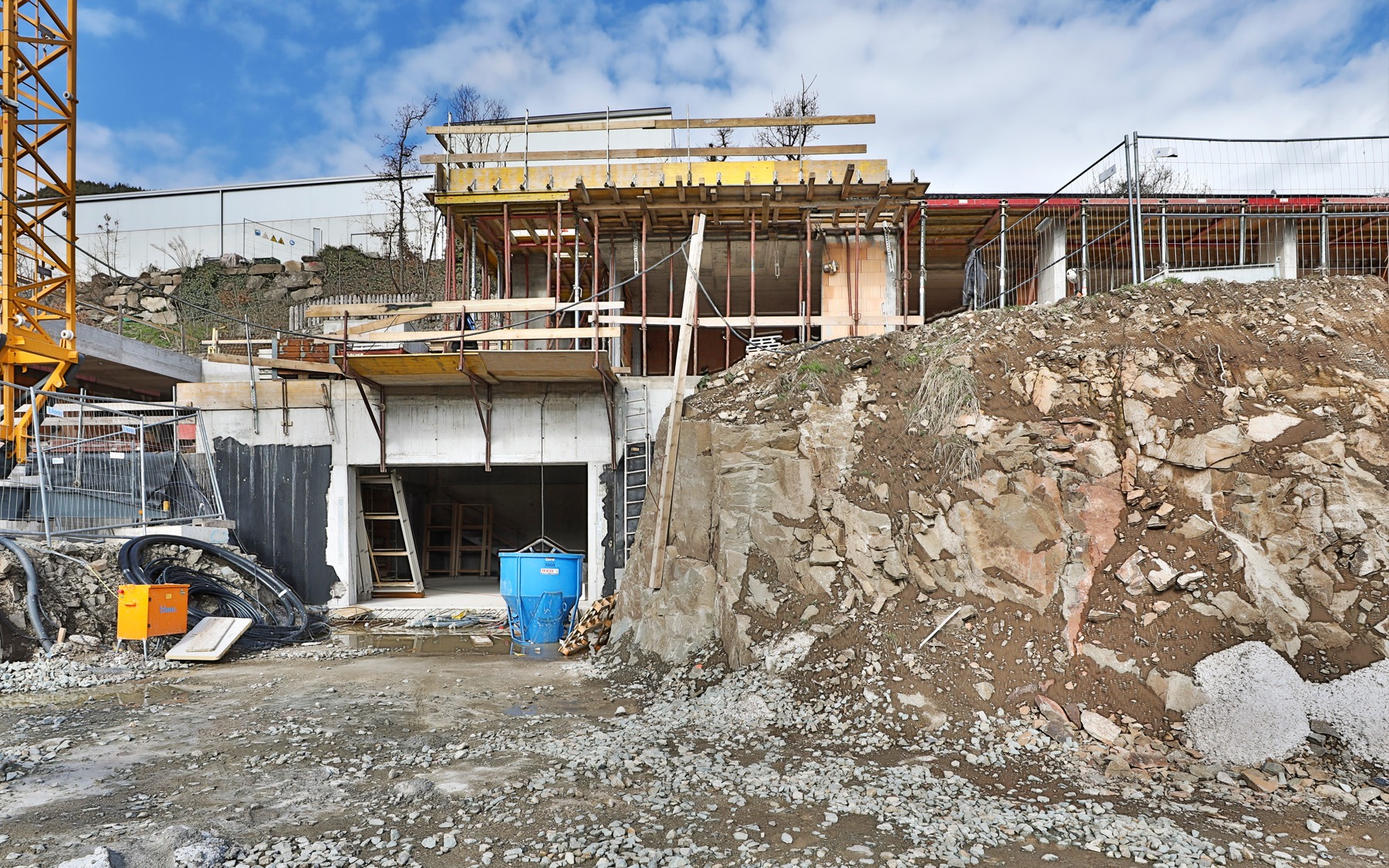
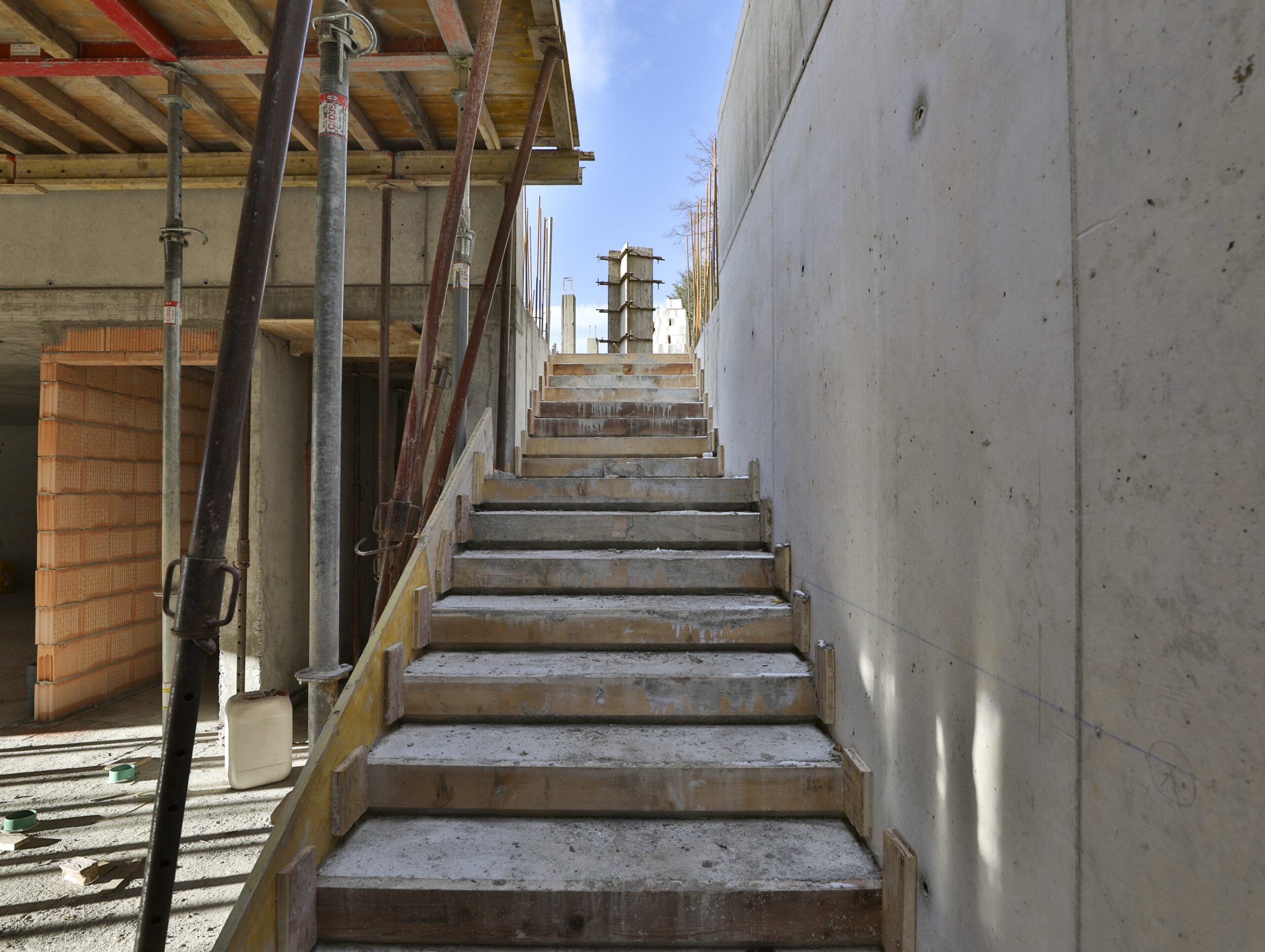
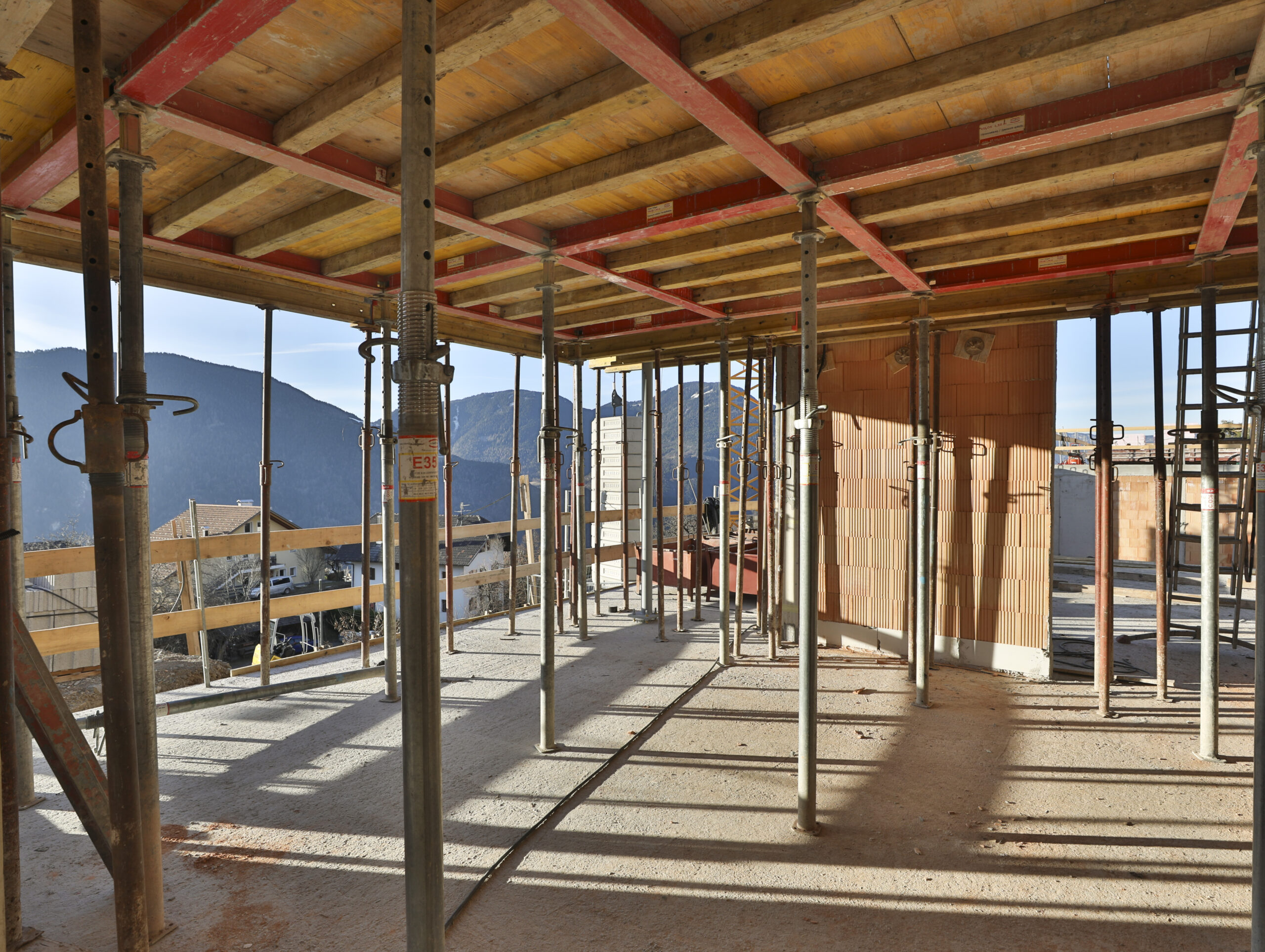
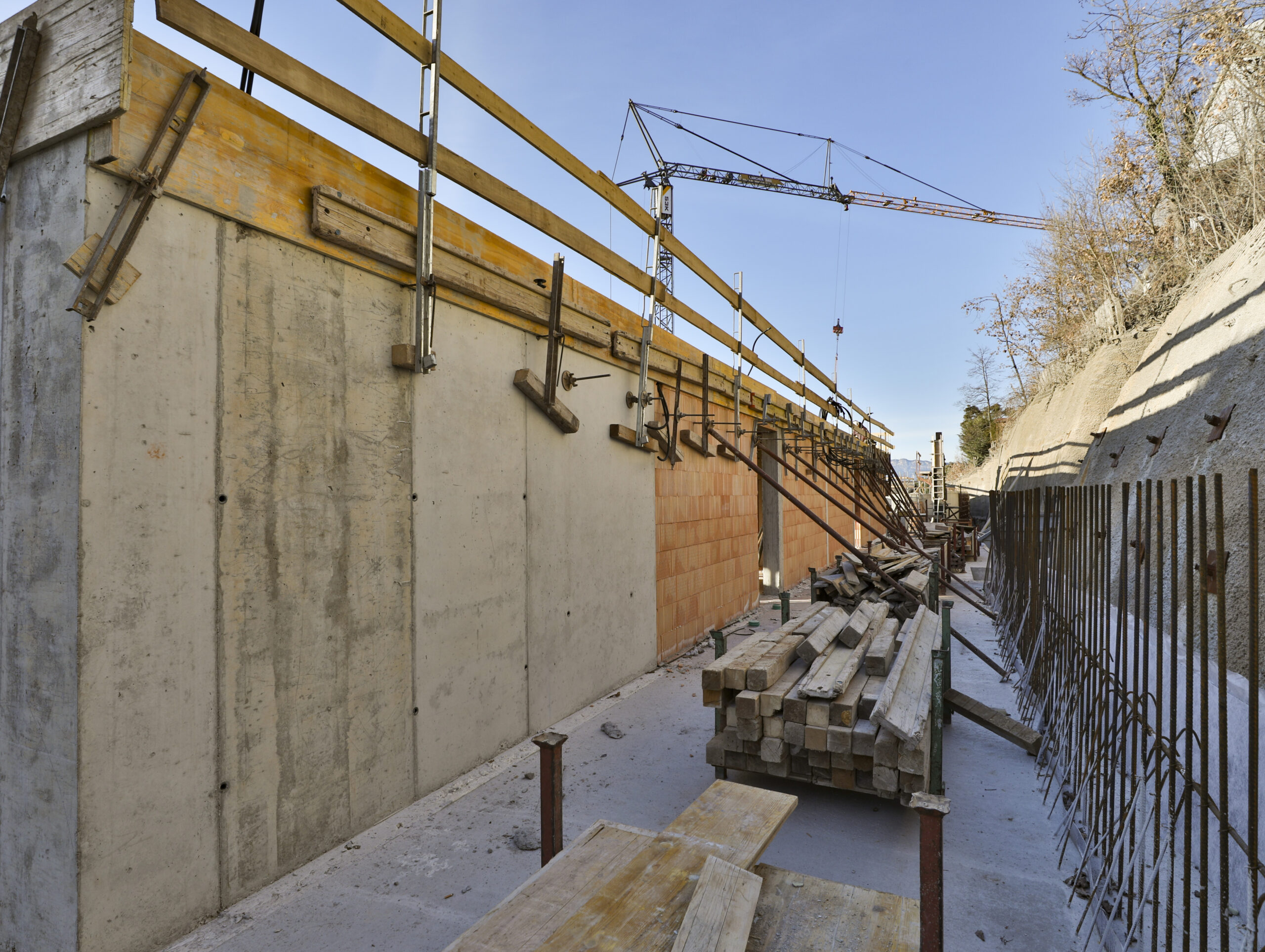
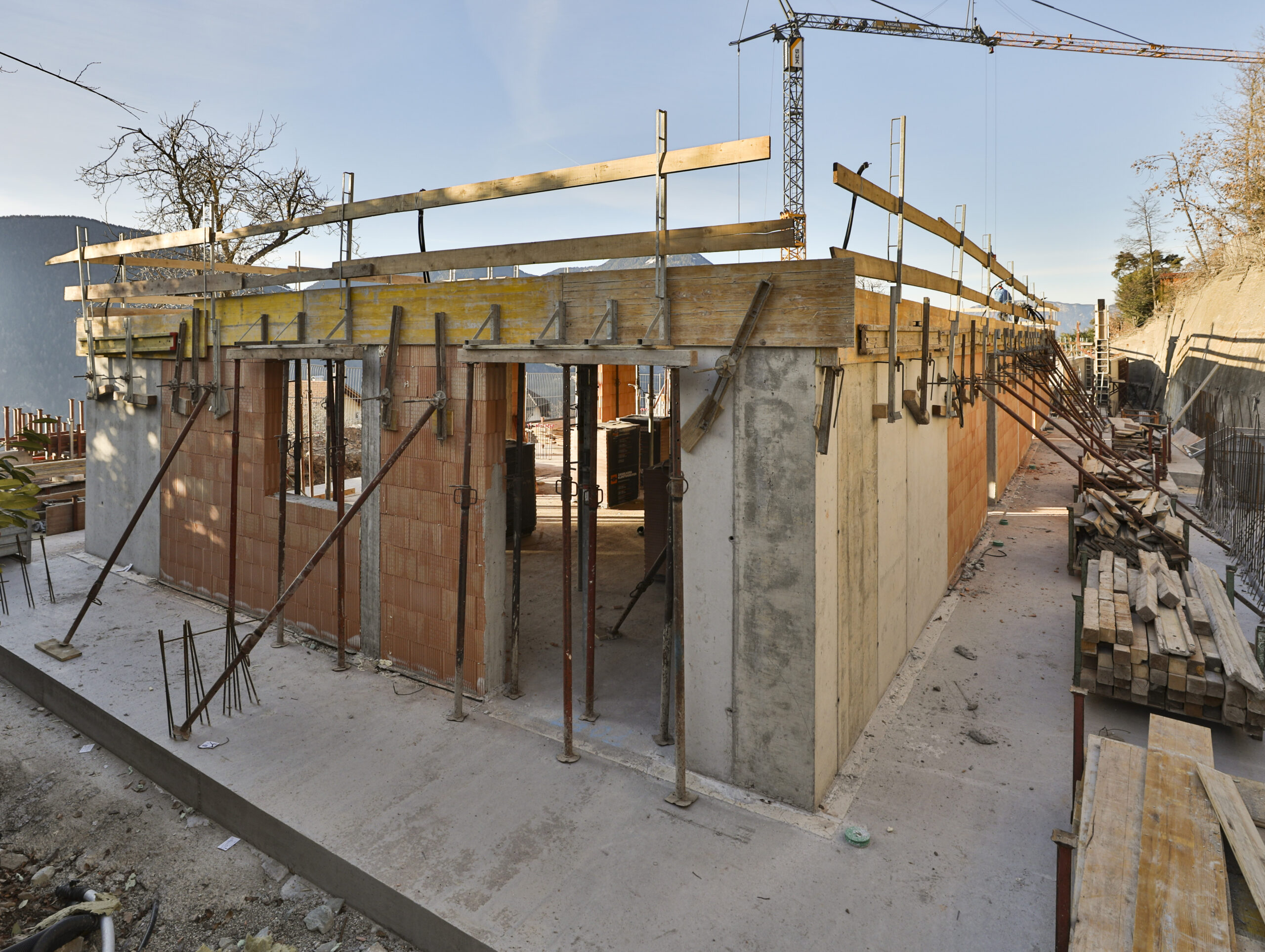
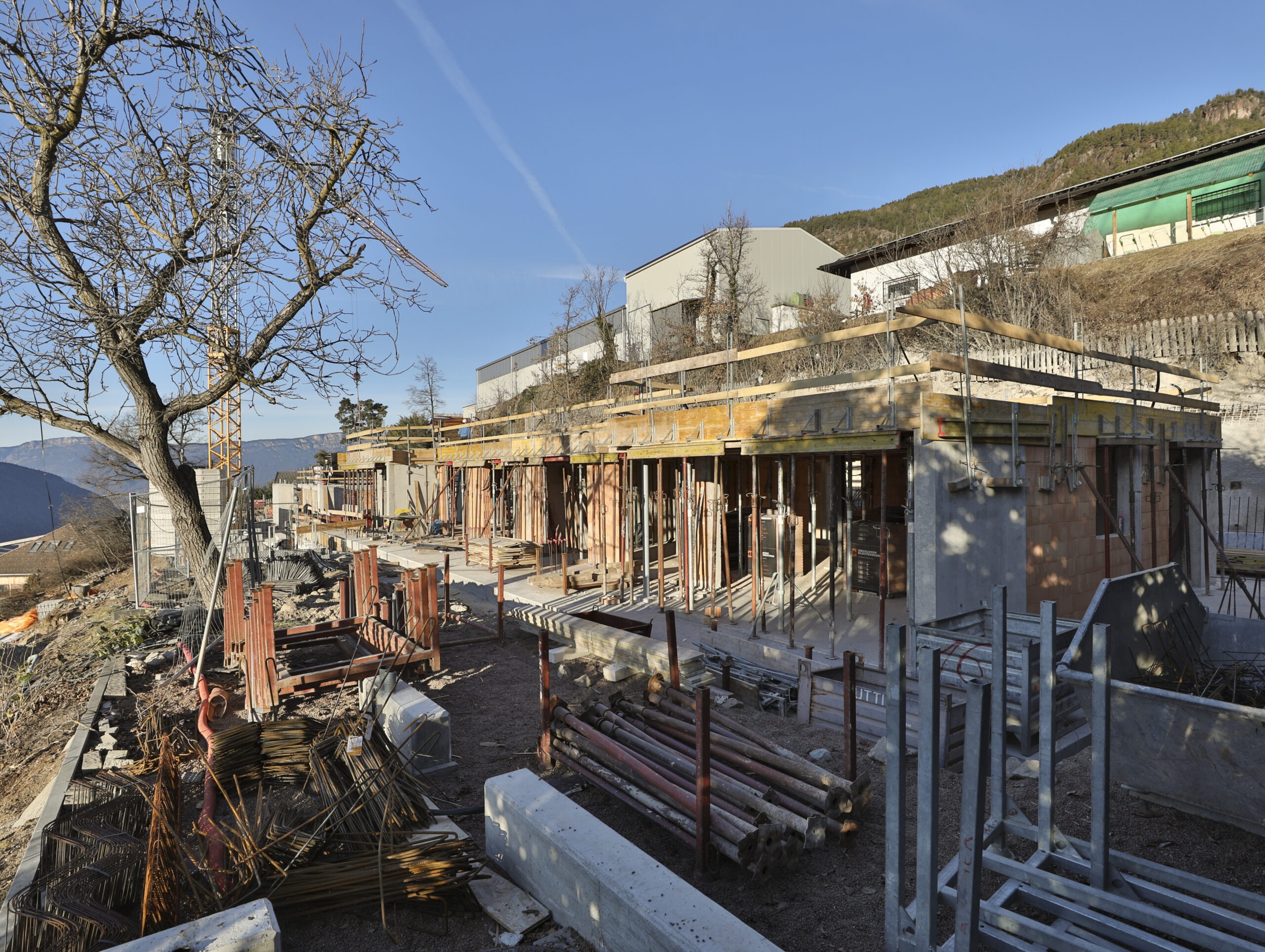
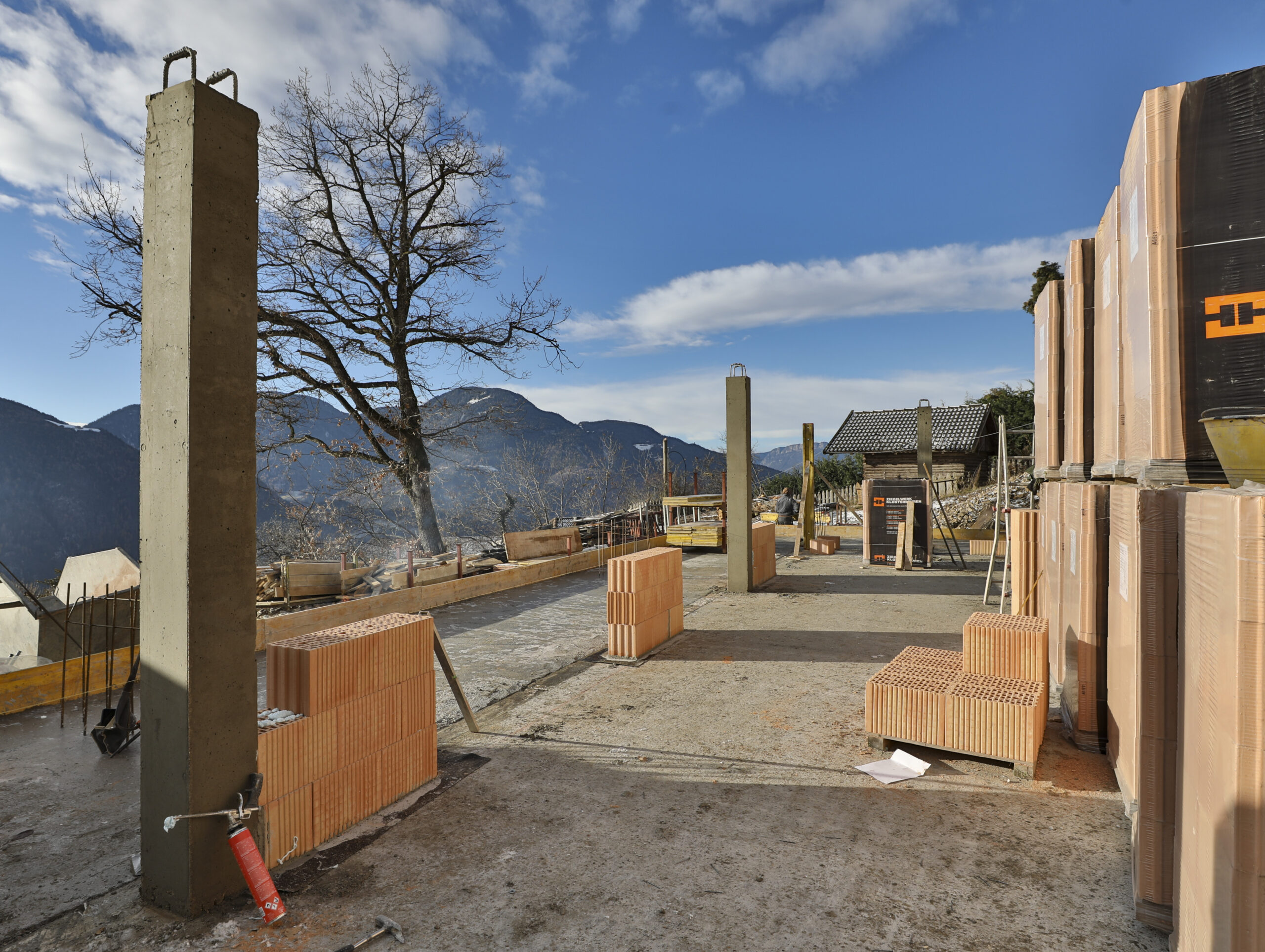
The new construction consists of two blocks developed on a single level and staggered between them. An underground basement served by a new driveway ramp provides independent access to the property and connects directly to the flats. One green roof, accessible from the central staircase, connects the building to the slope, becoming its natural continuation.
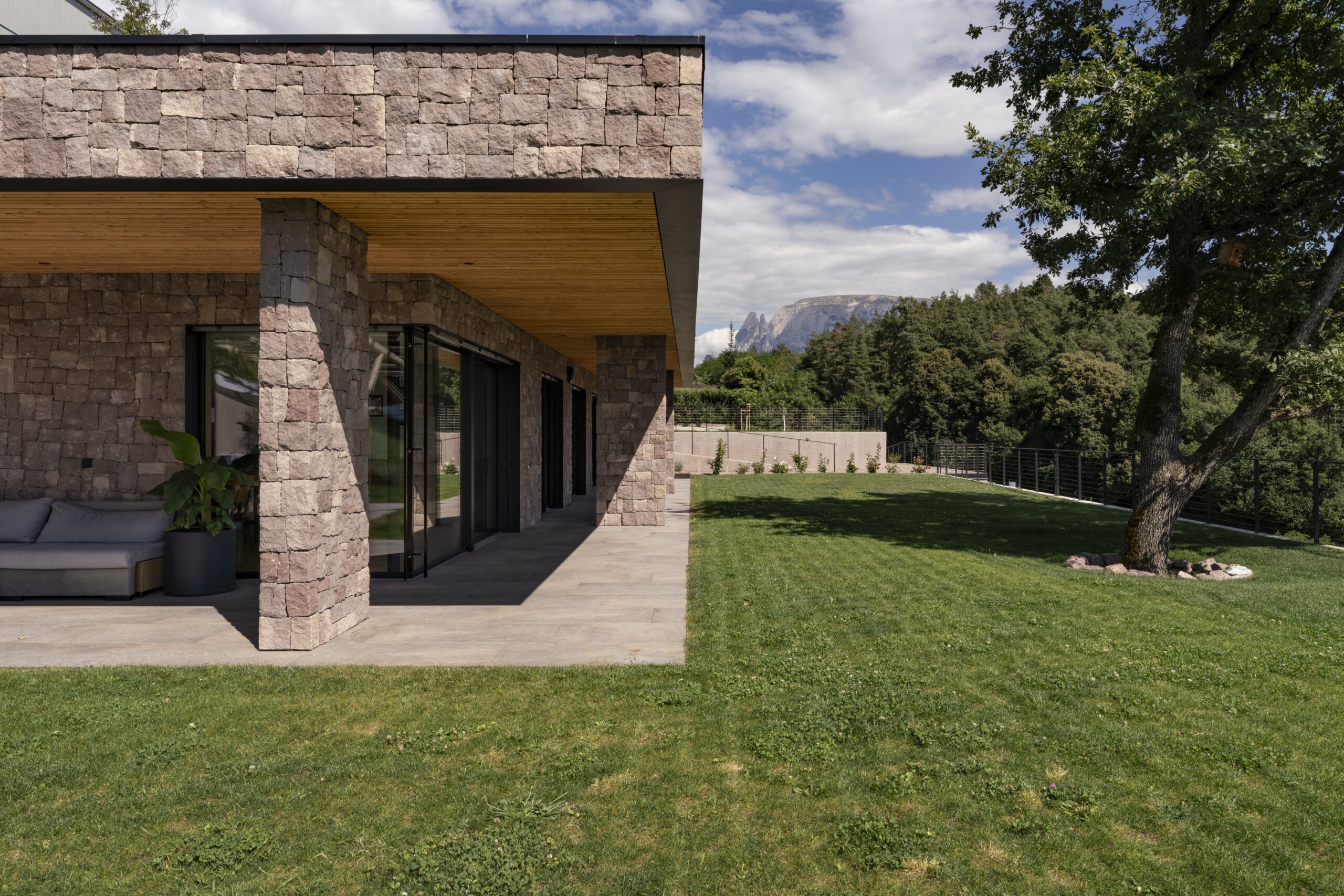
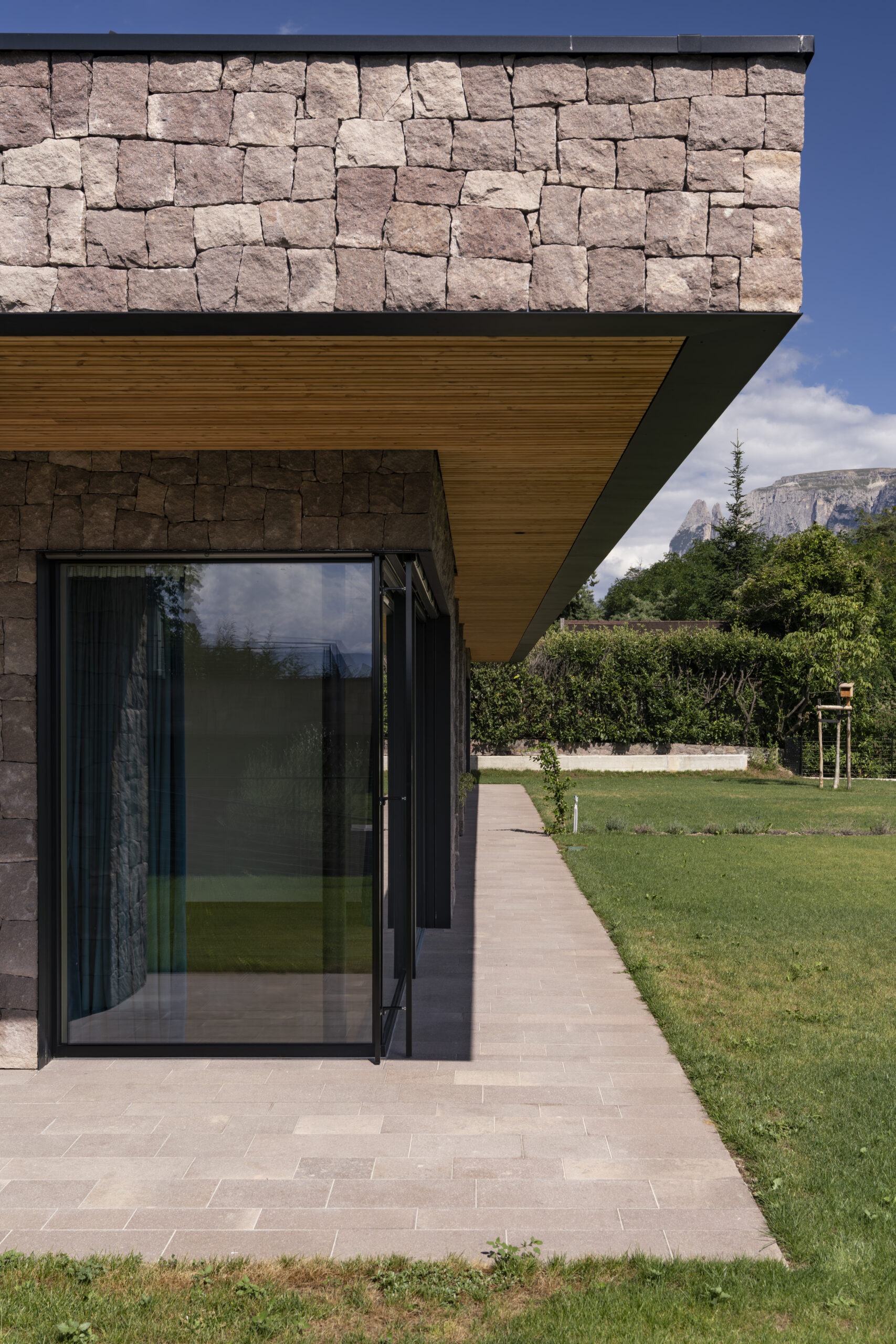
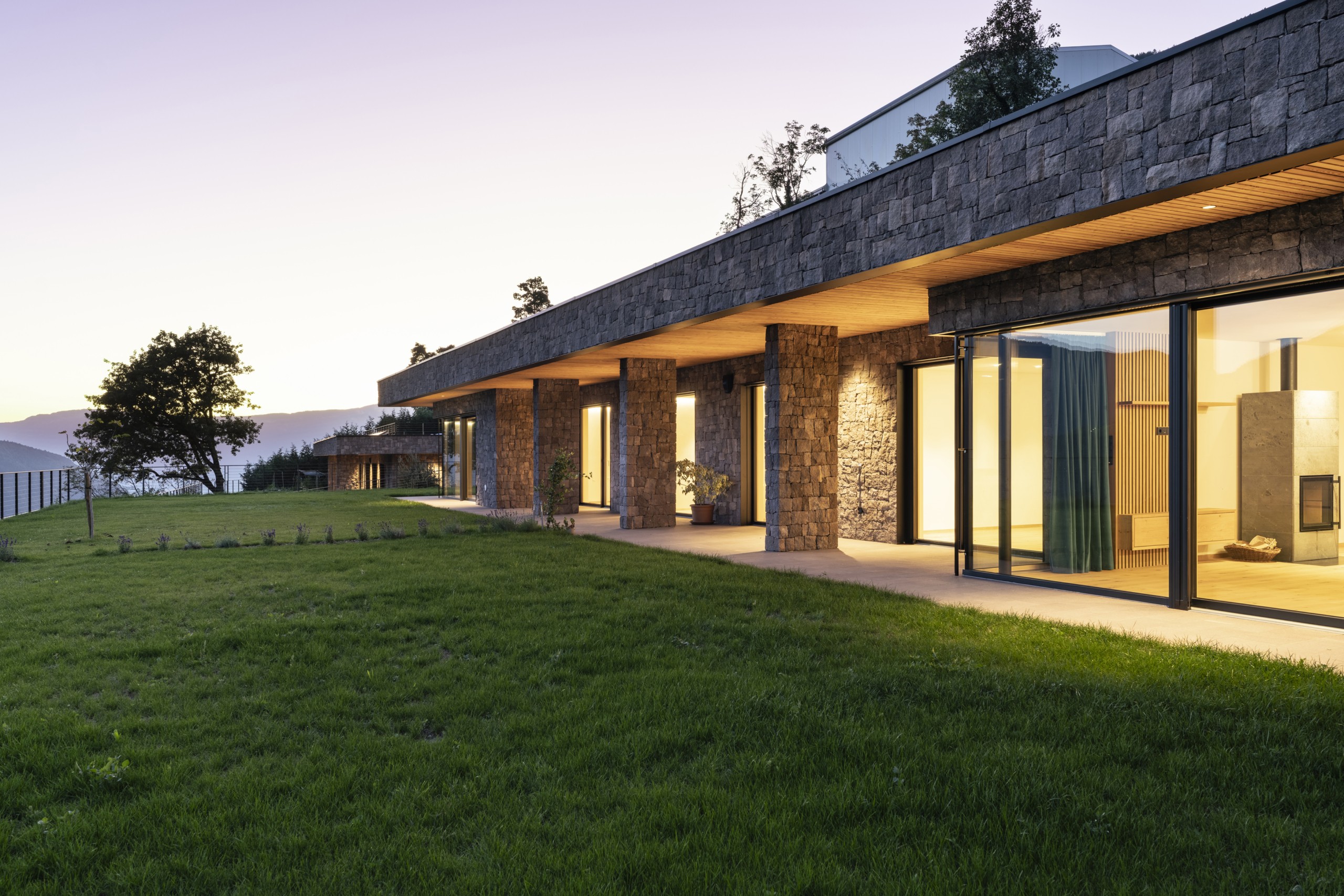
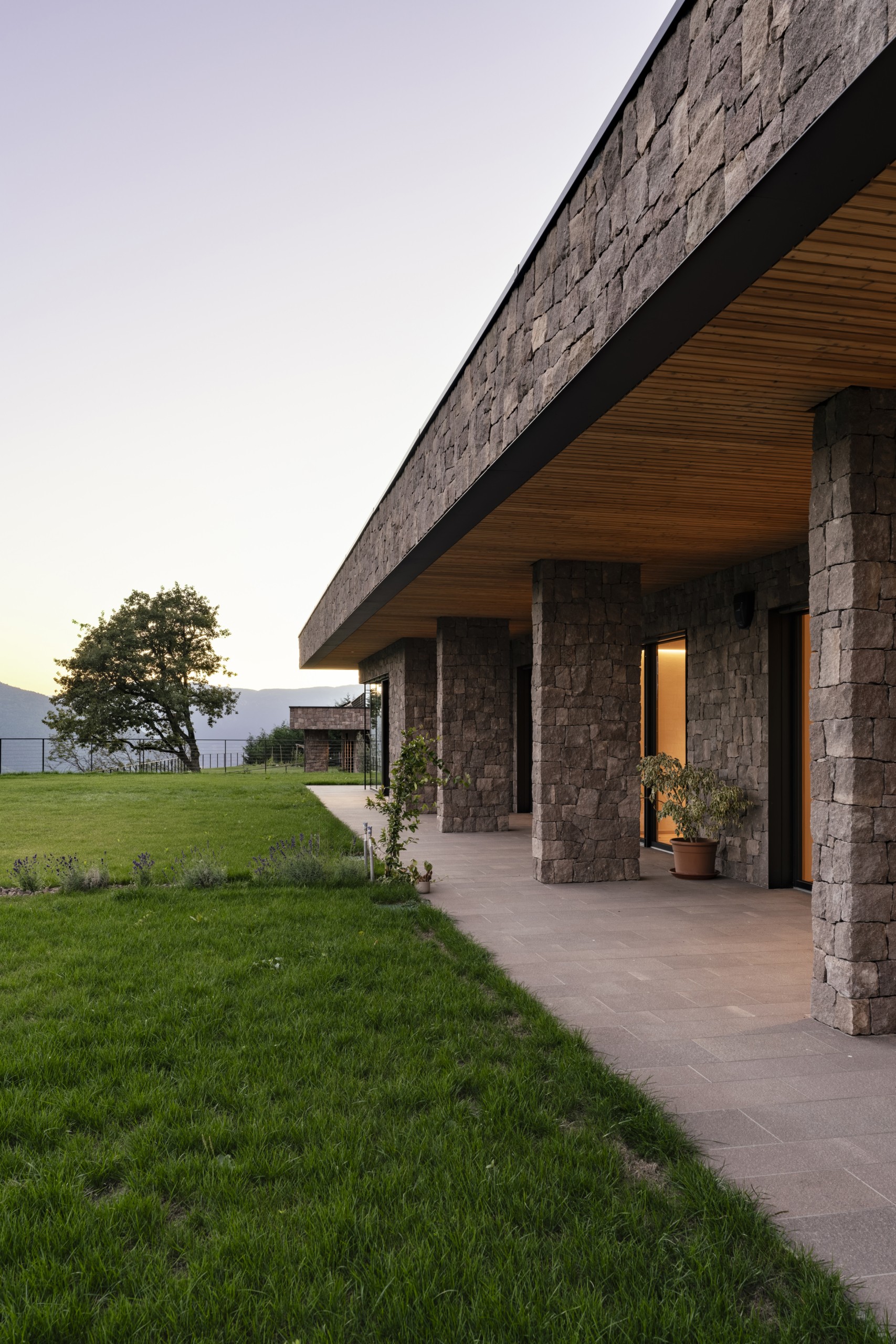
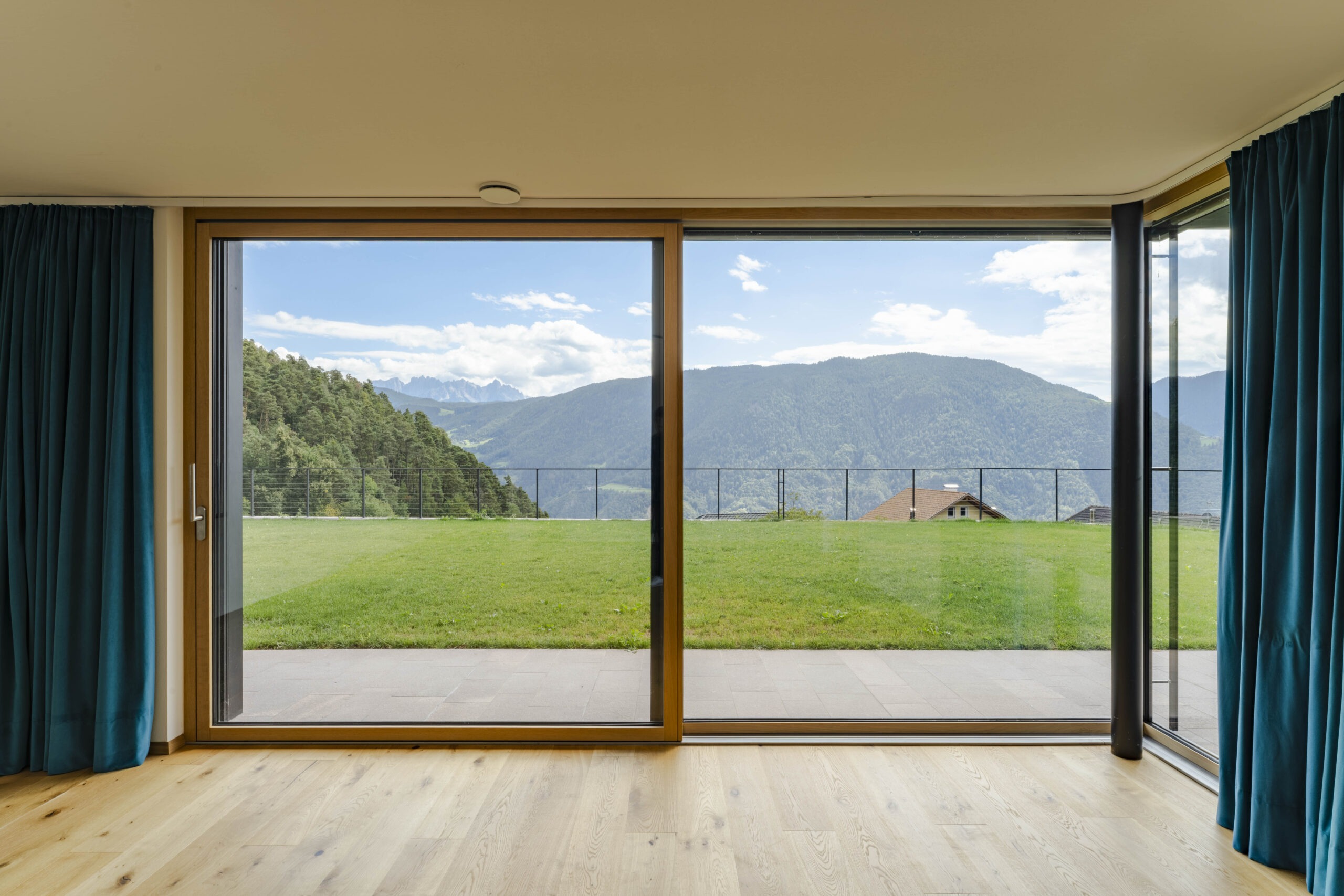
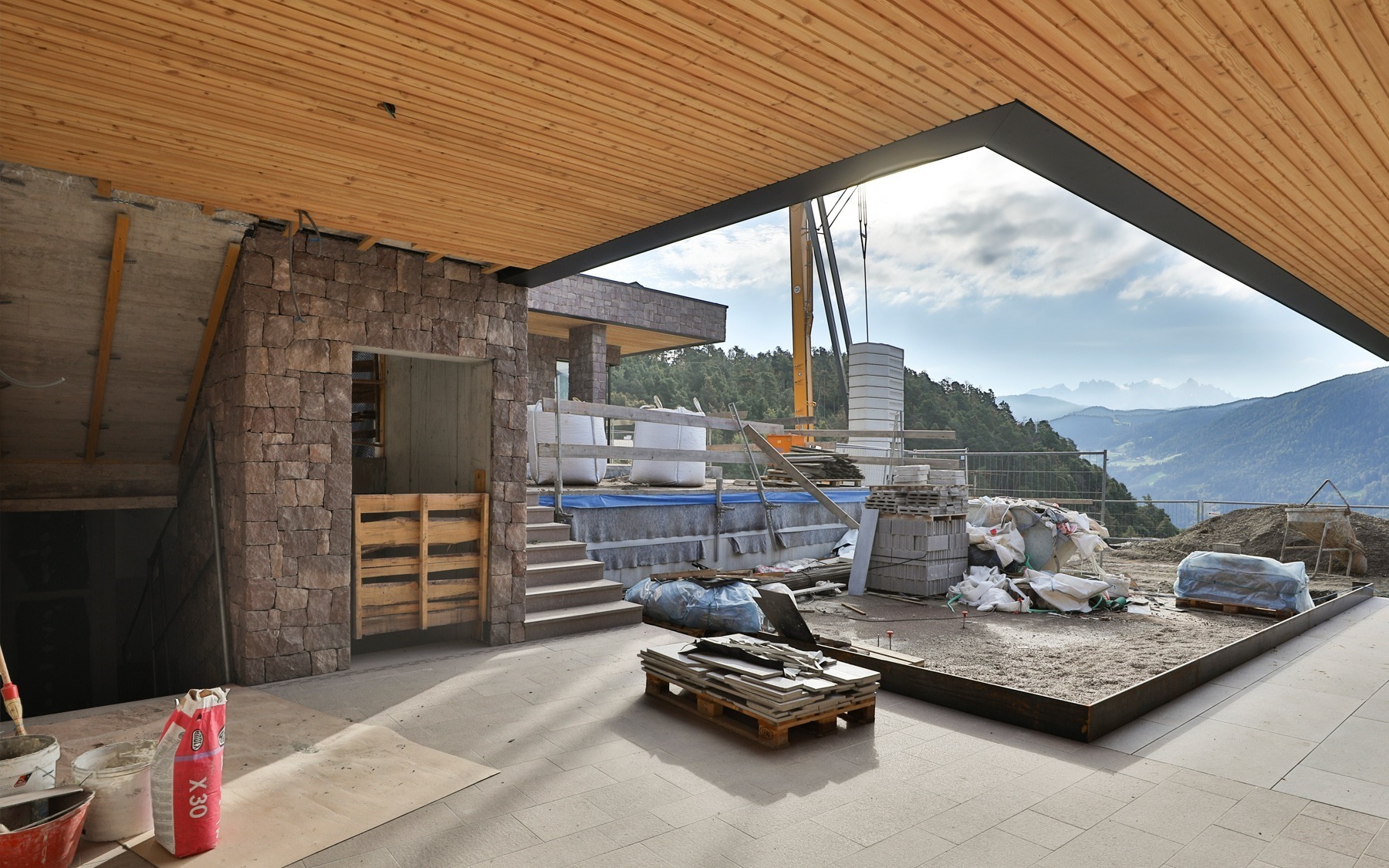
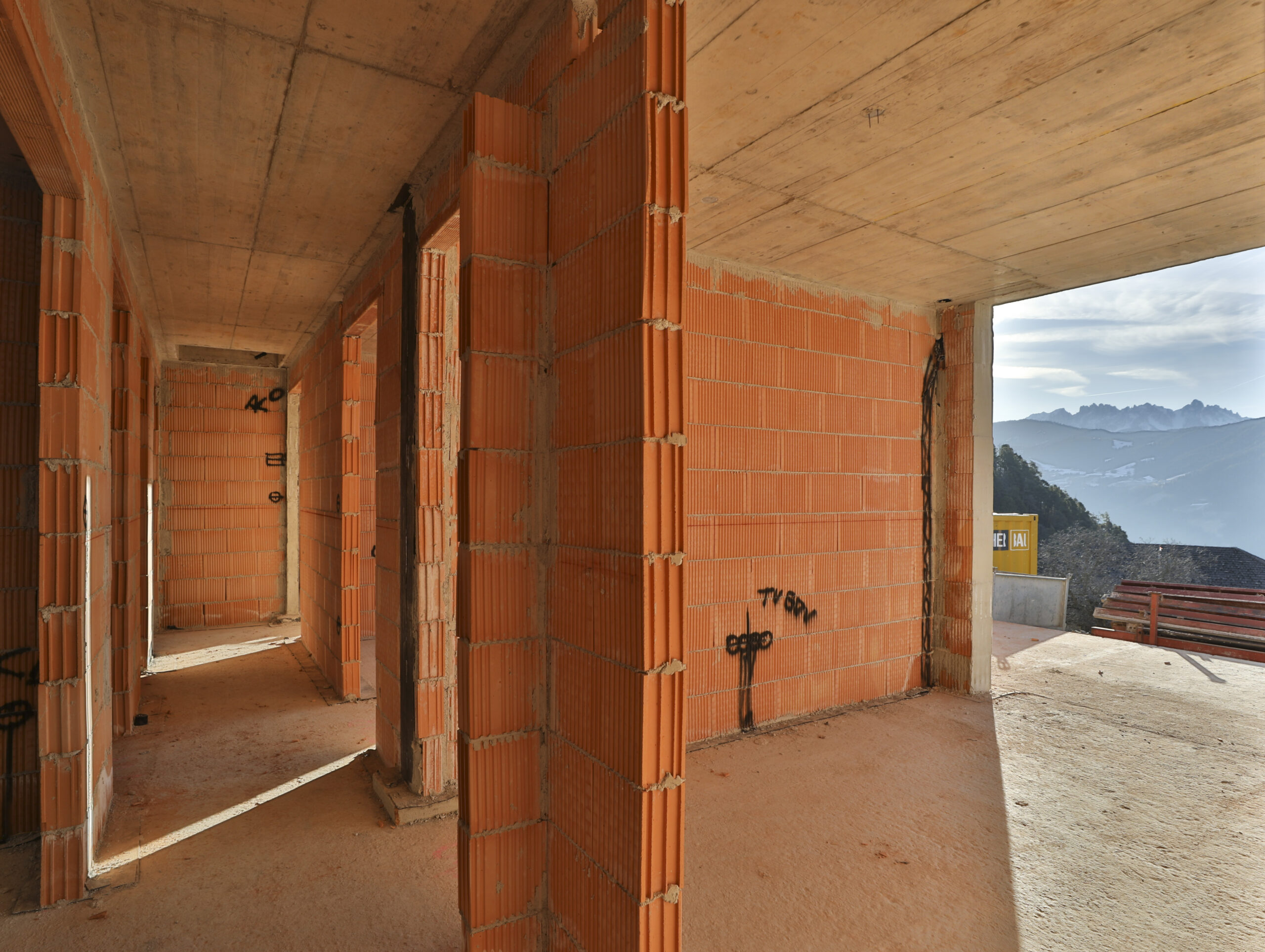
The power of the new architecture lies in its connection with the surrounding natural environment: the design focus was on integrating the entire building with the landform, making modern, functional architecture dialogue with its natural surroundings, opening up to the exceptional panorama of the Dolomites.
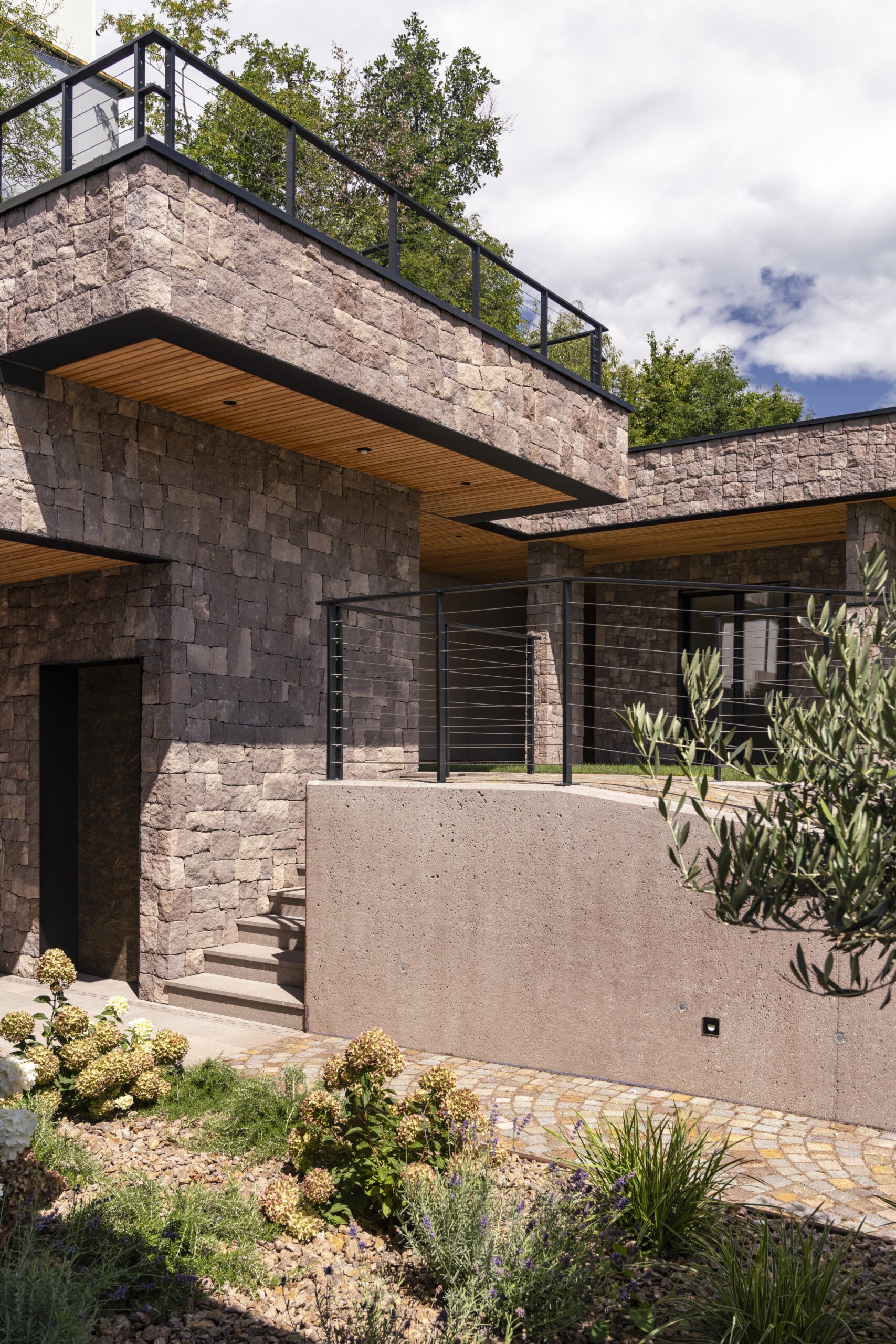
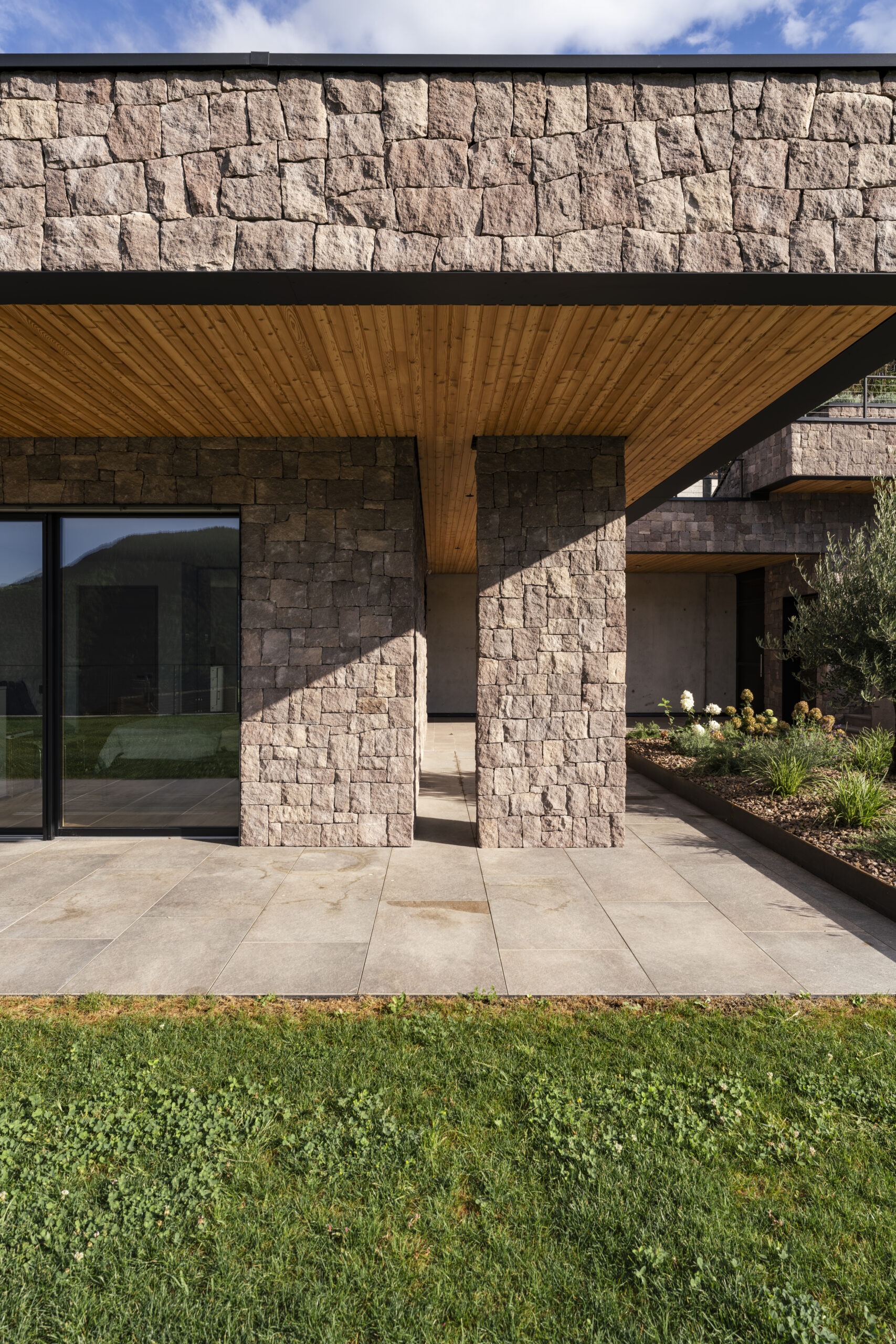
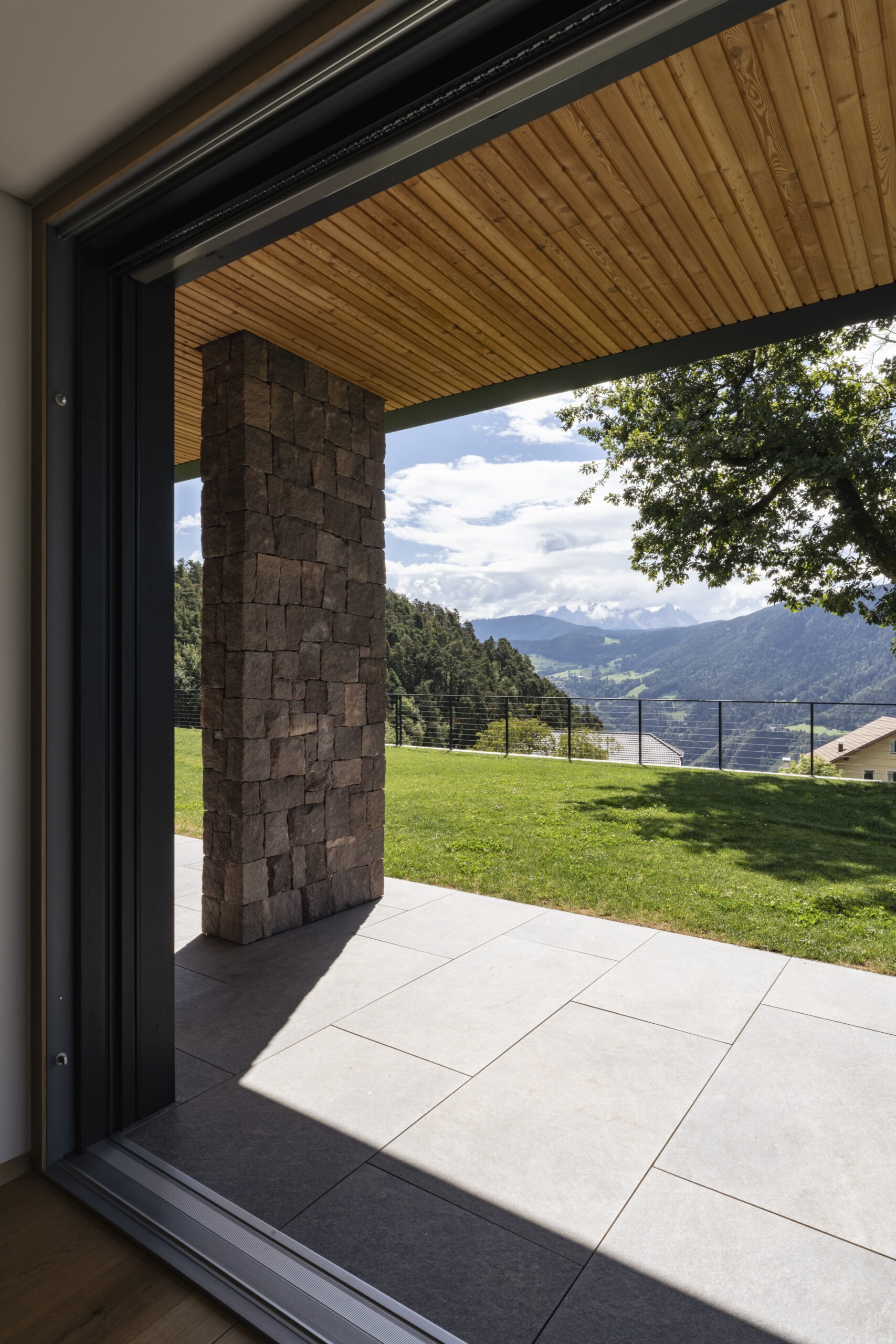
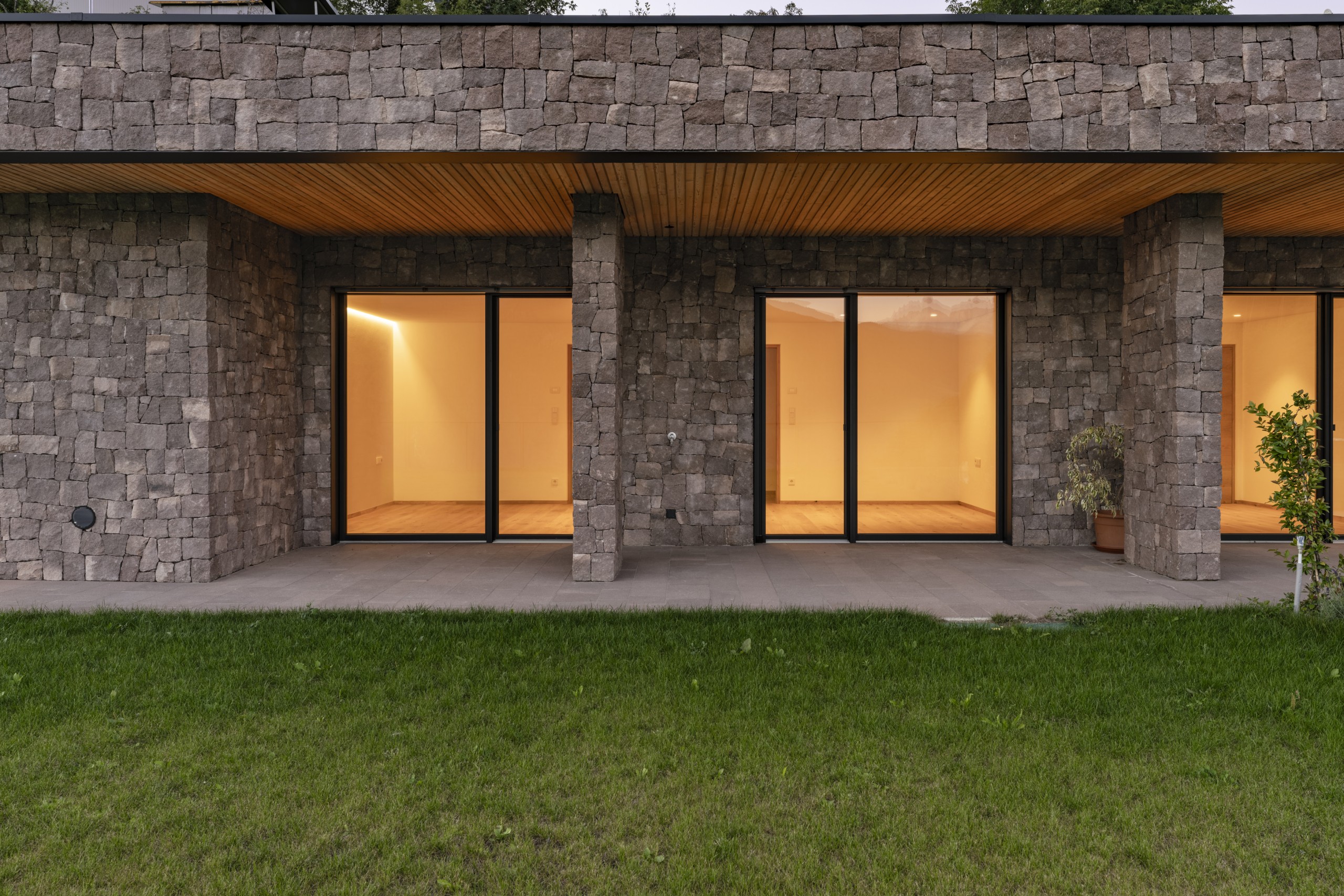
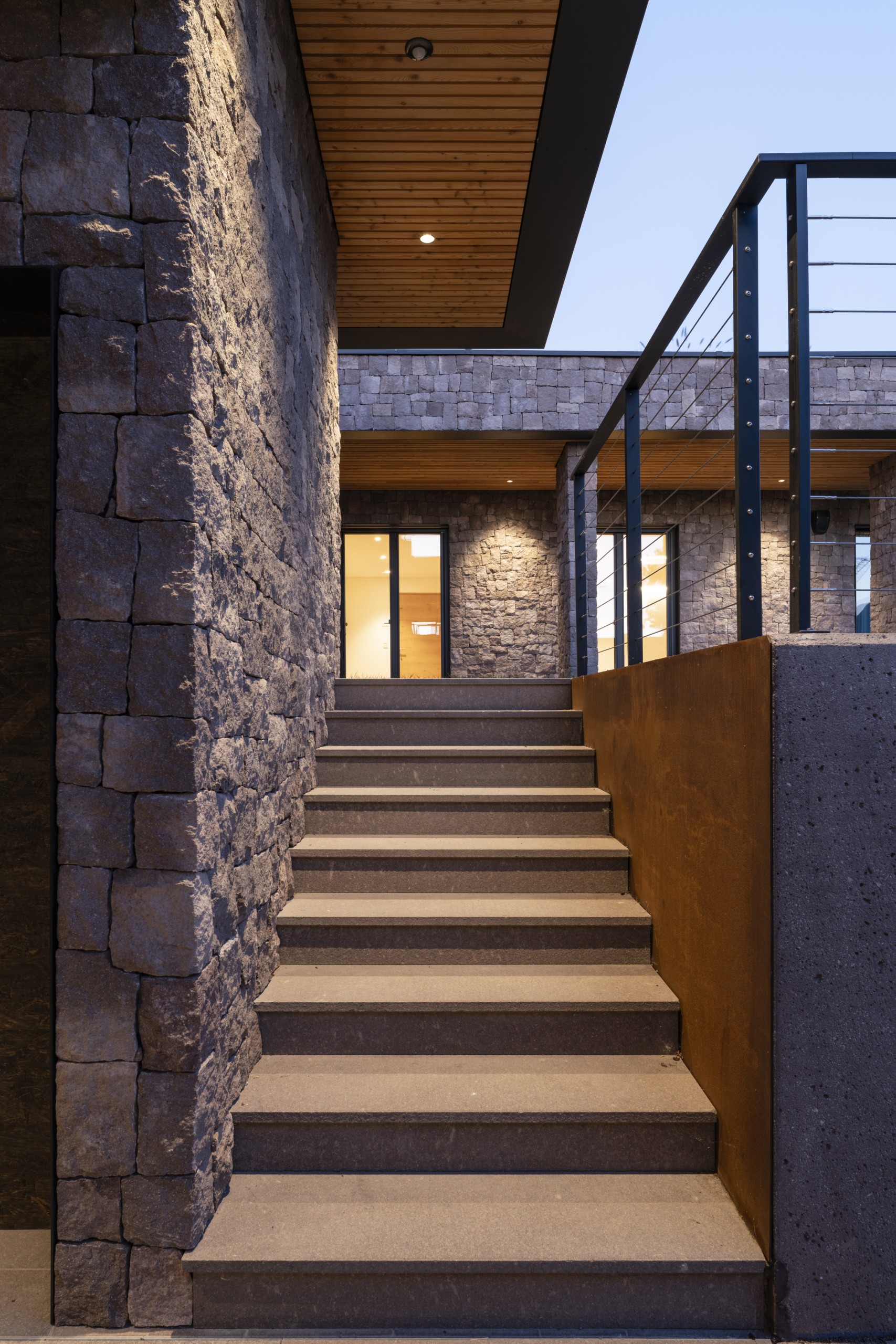
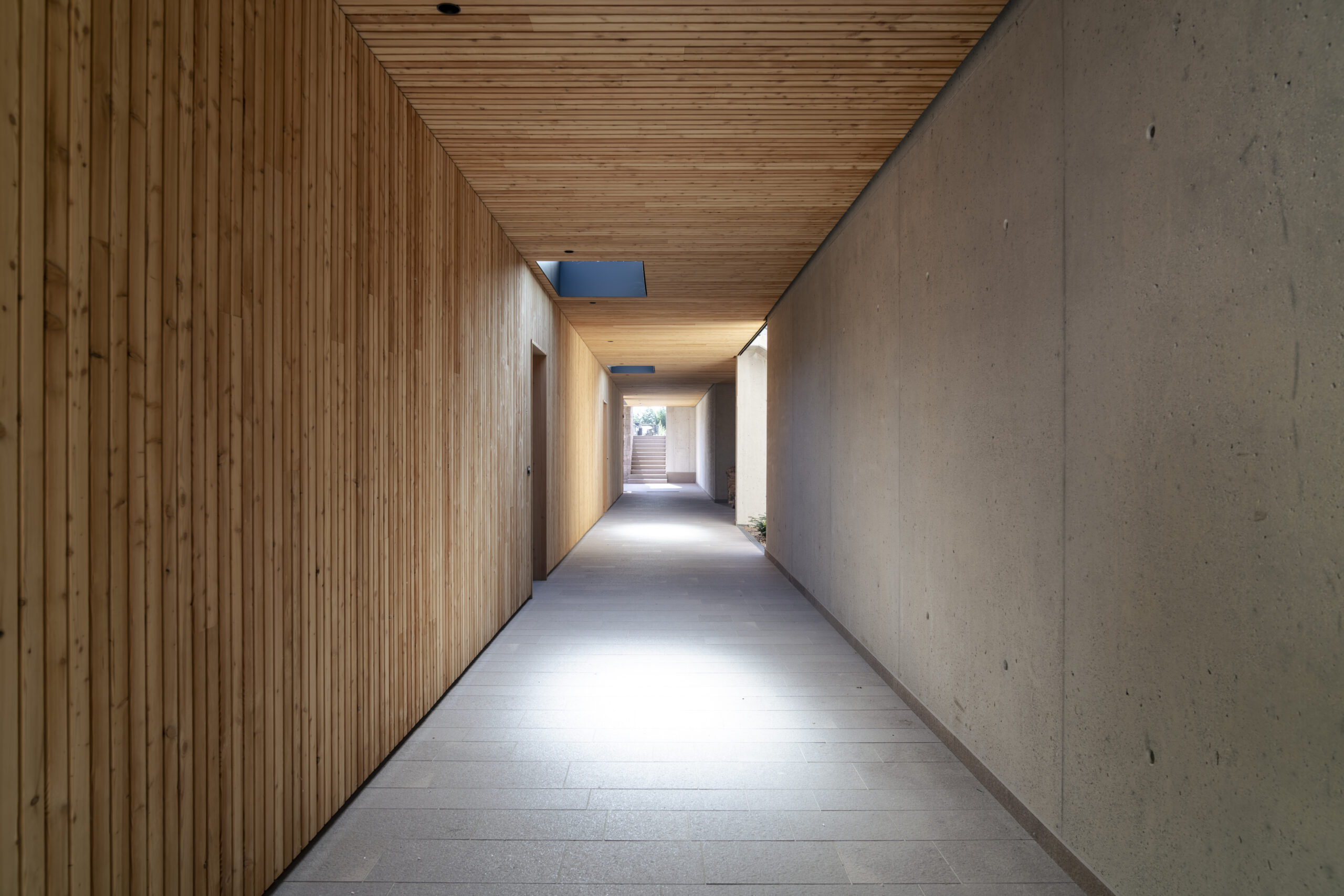
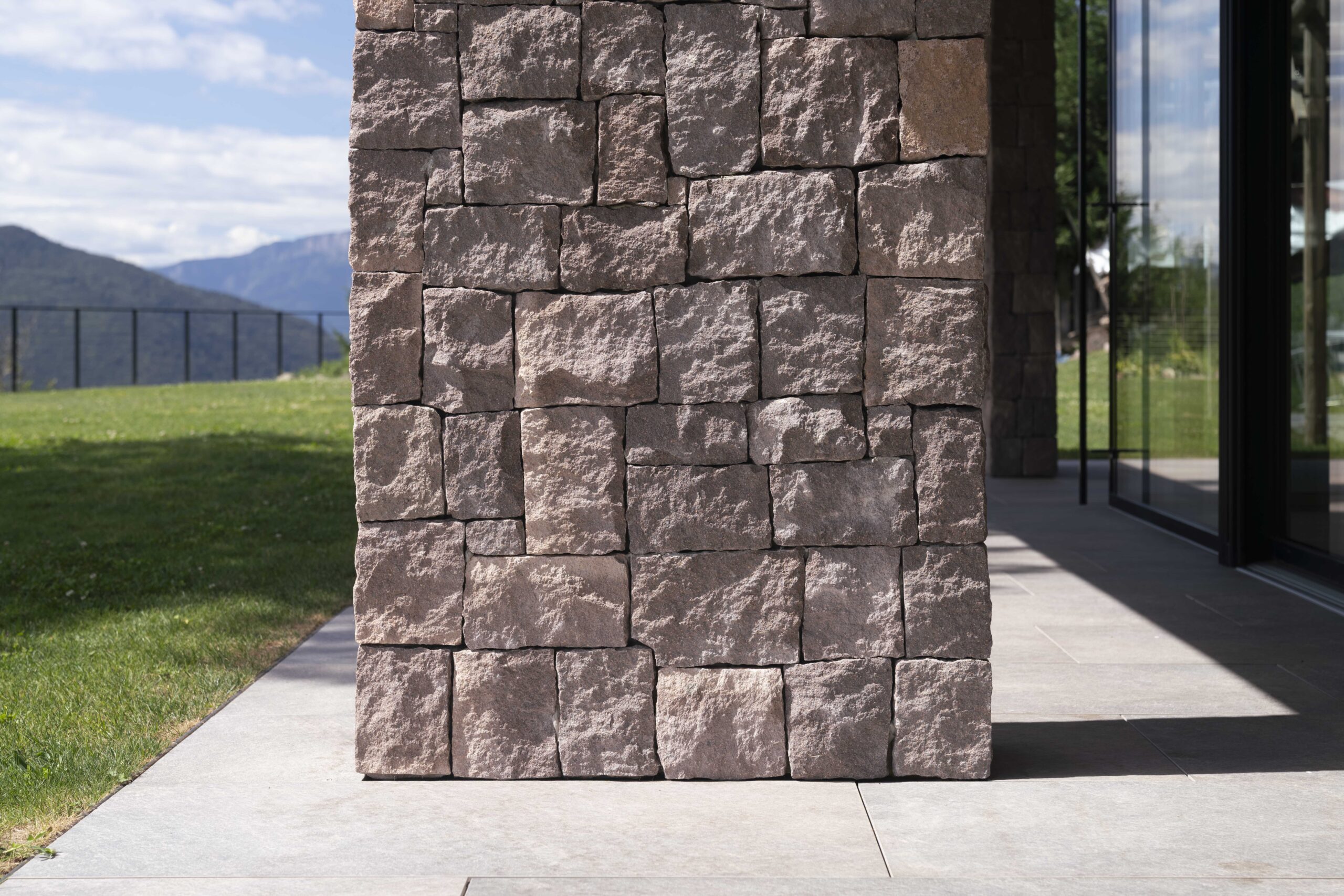
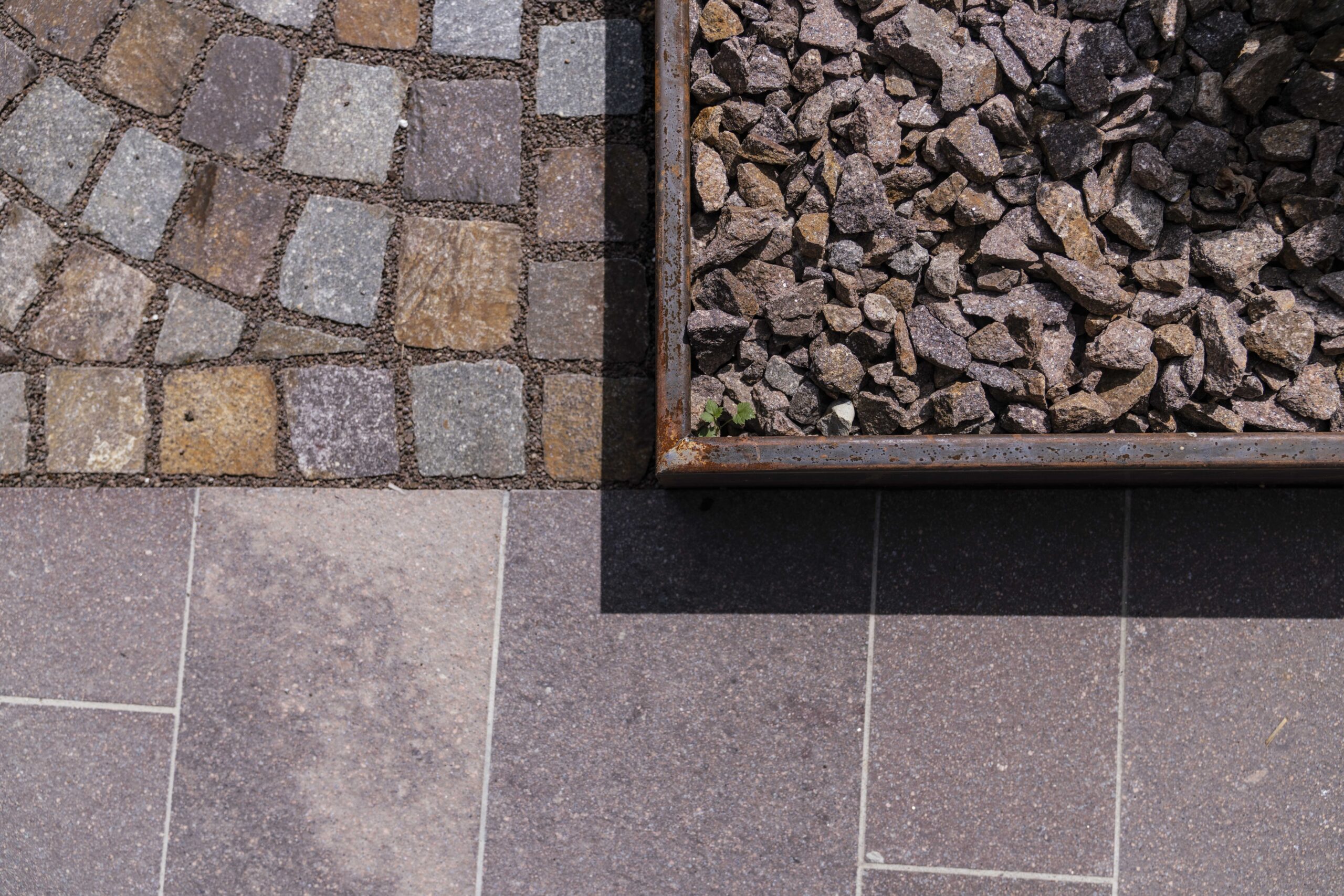
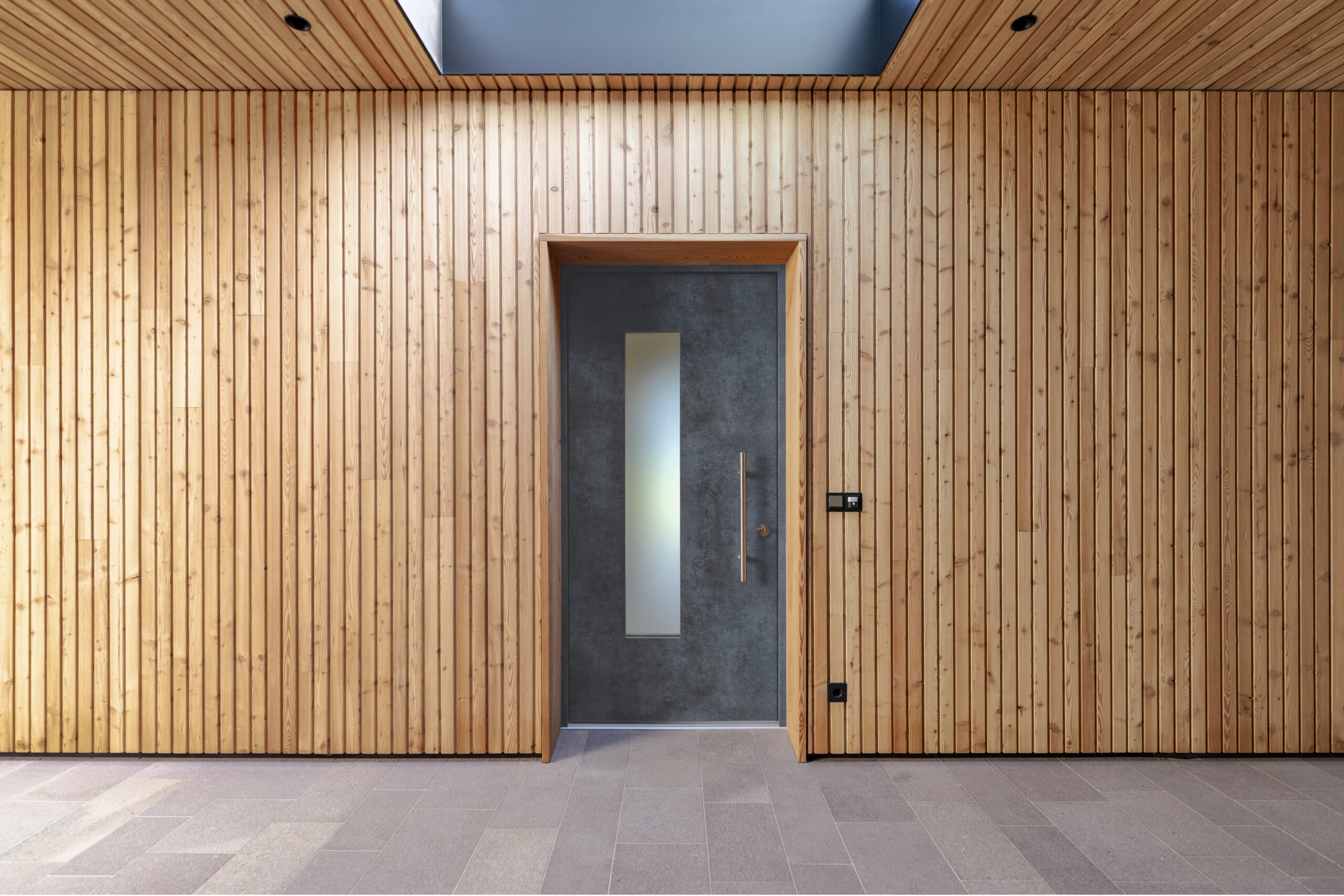
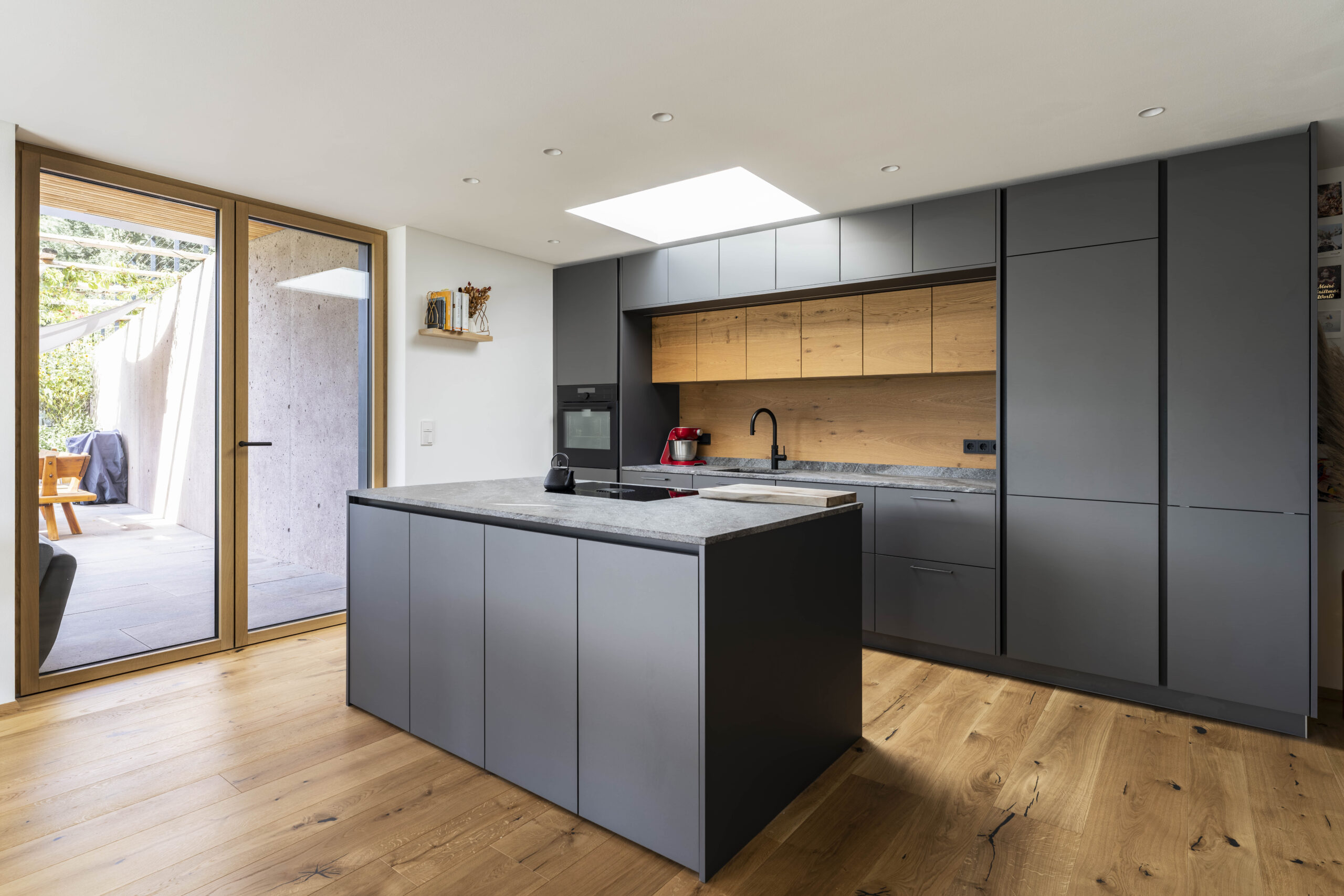
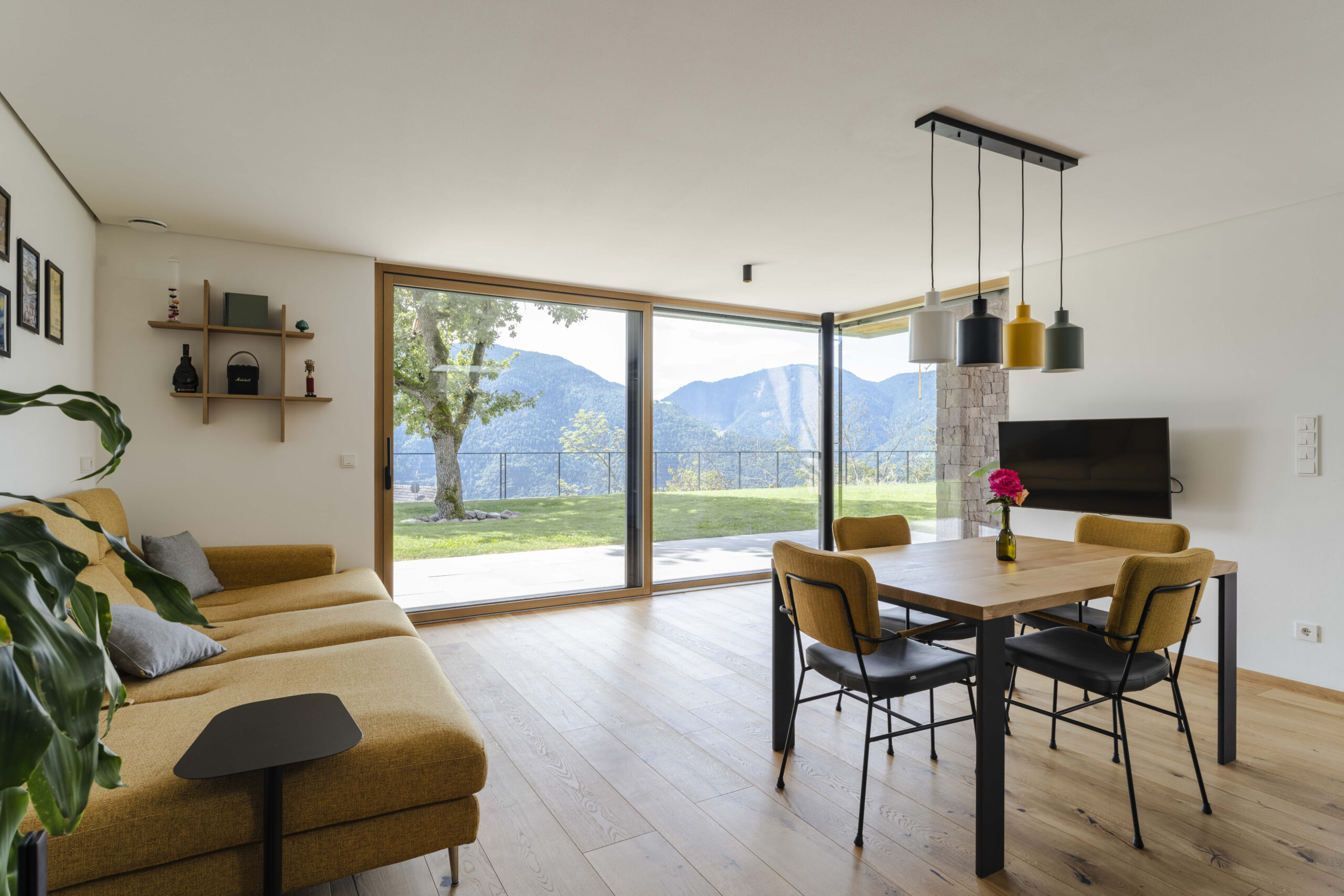
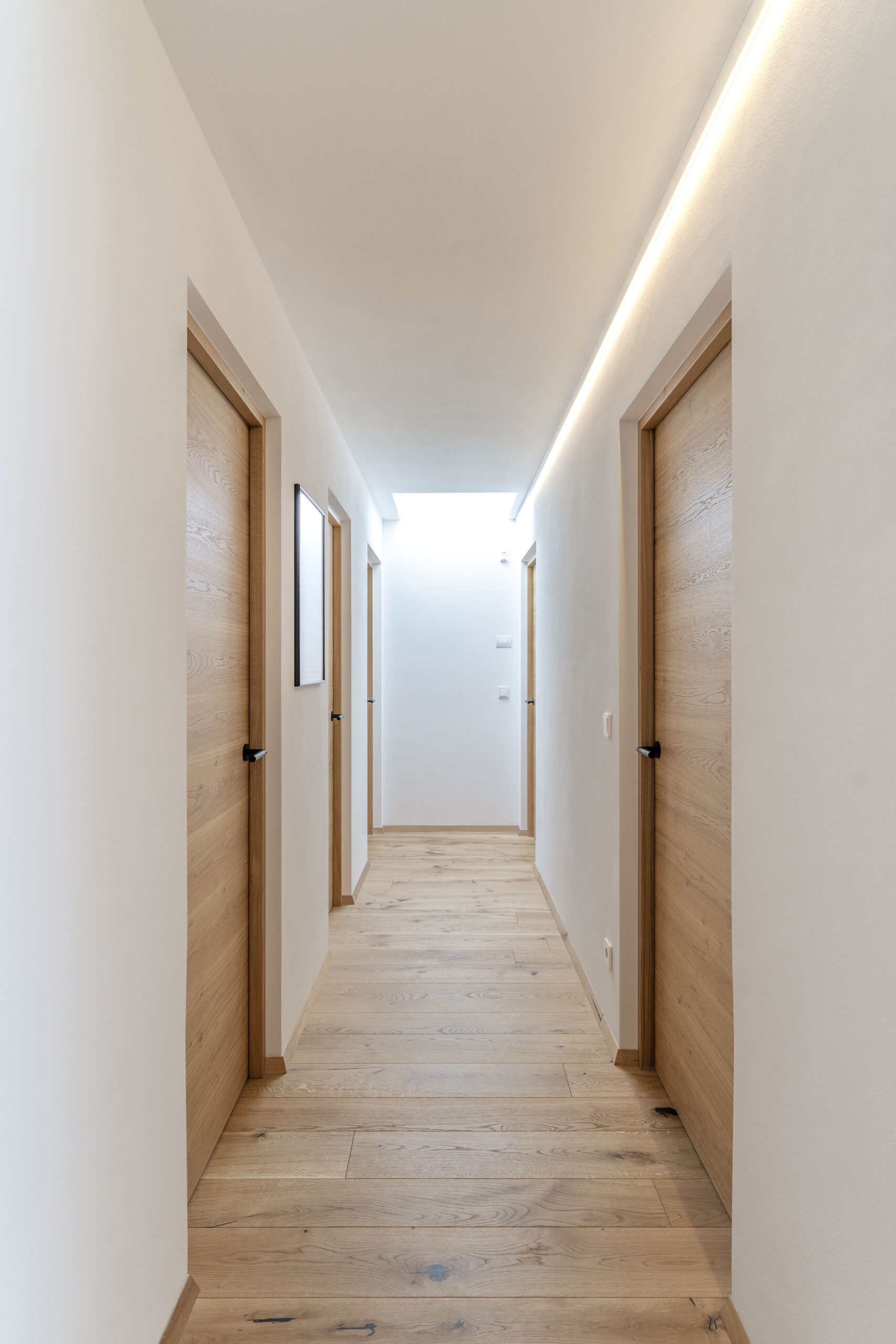
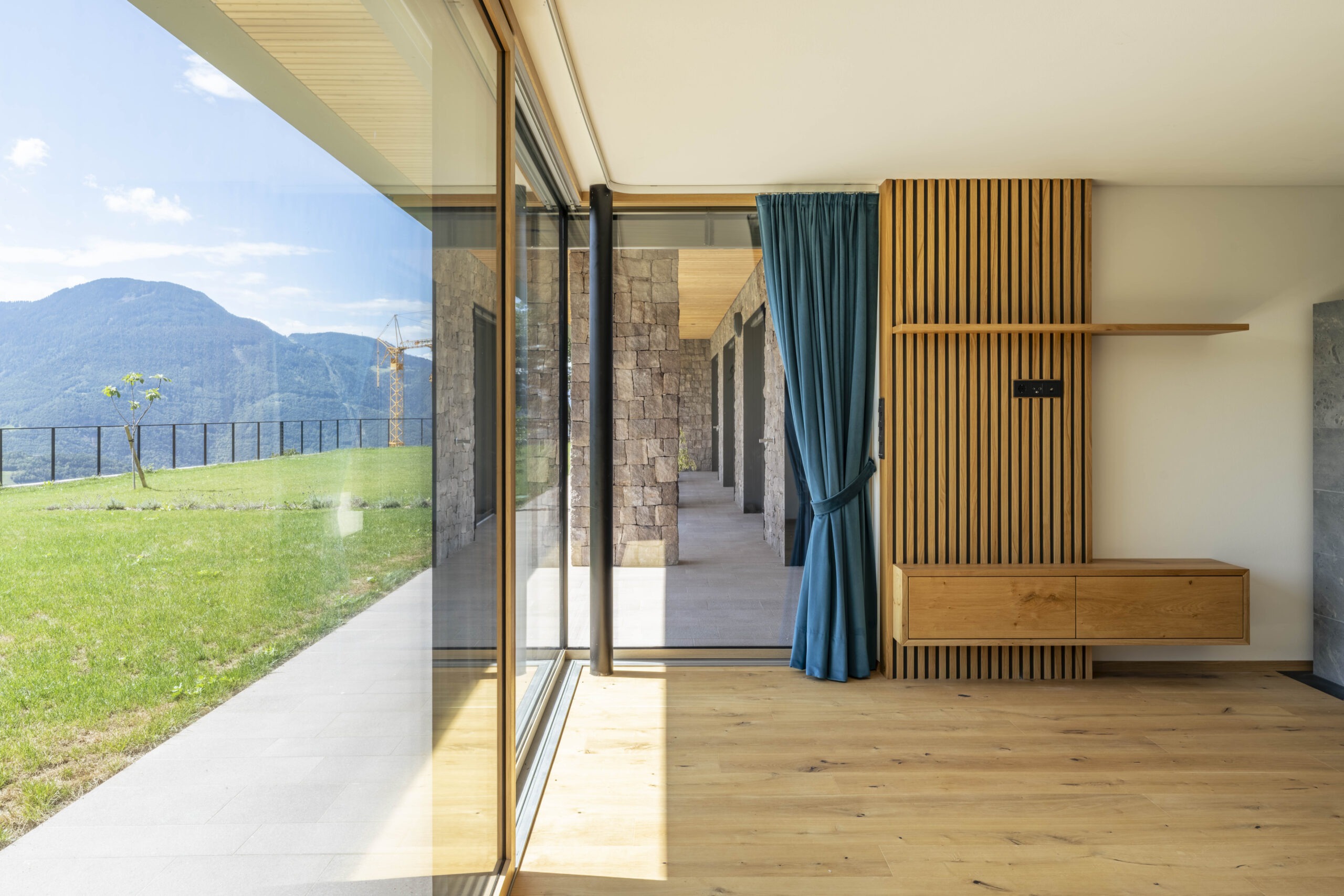
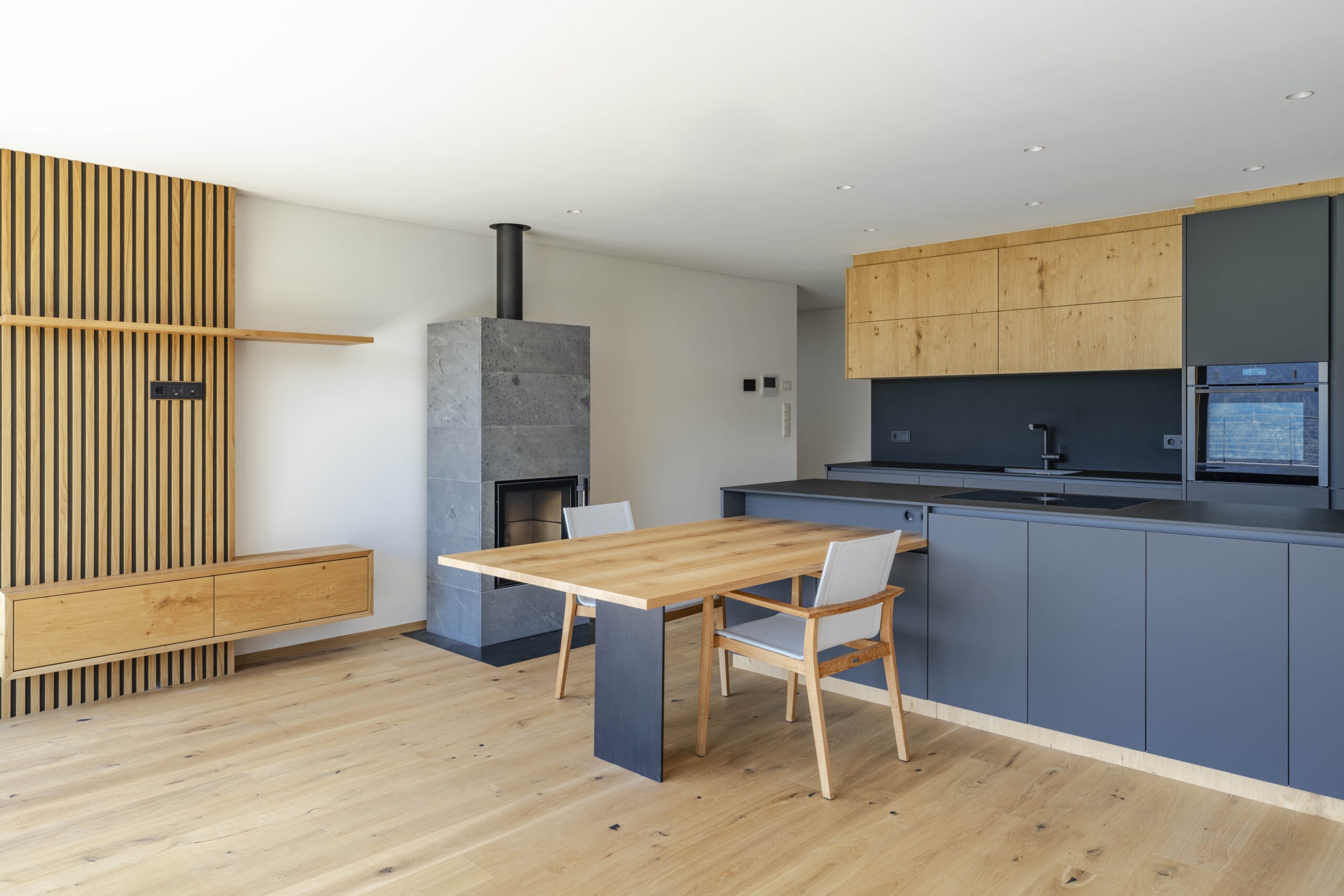
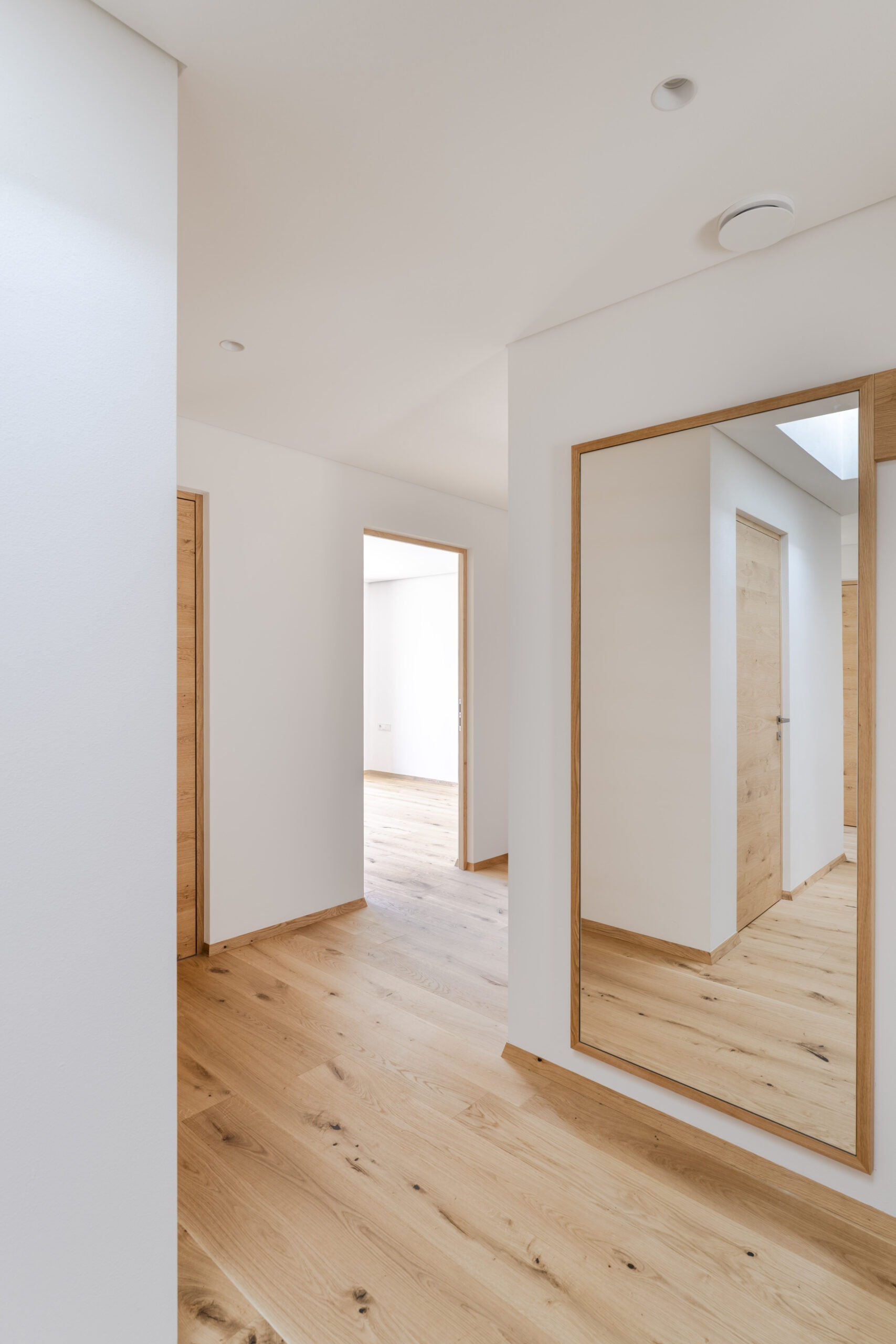
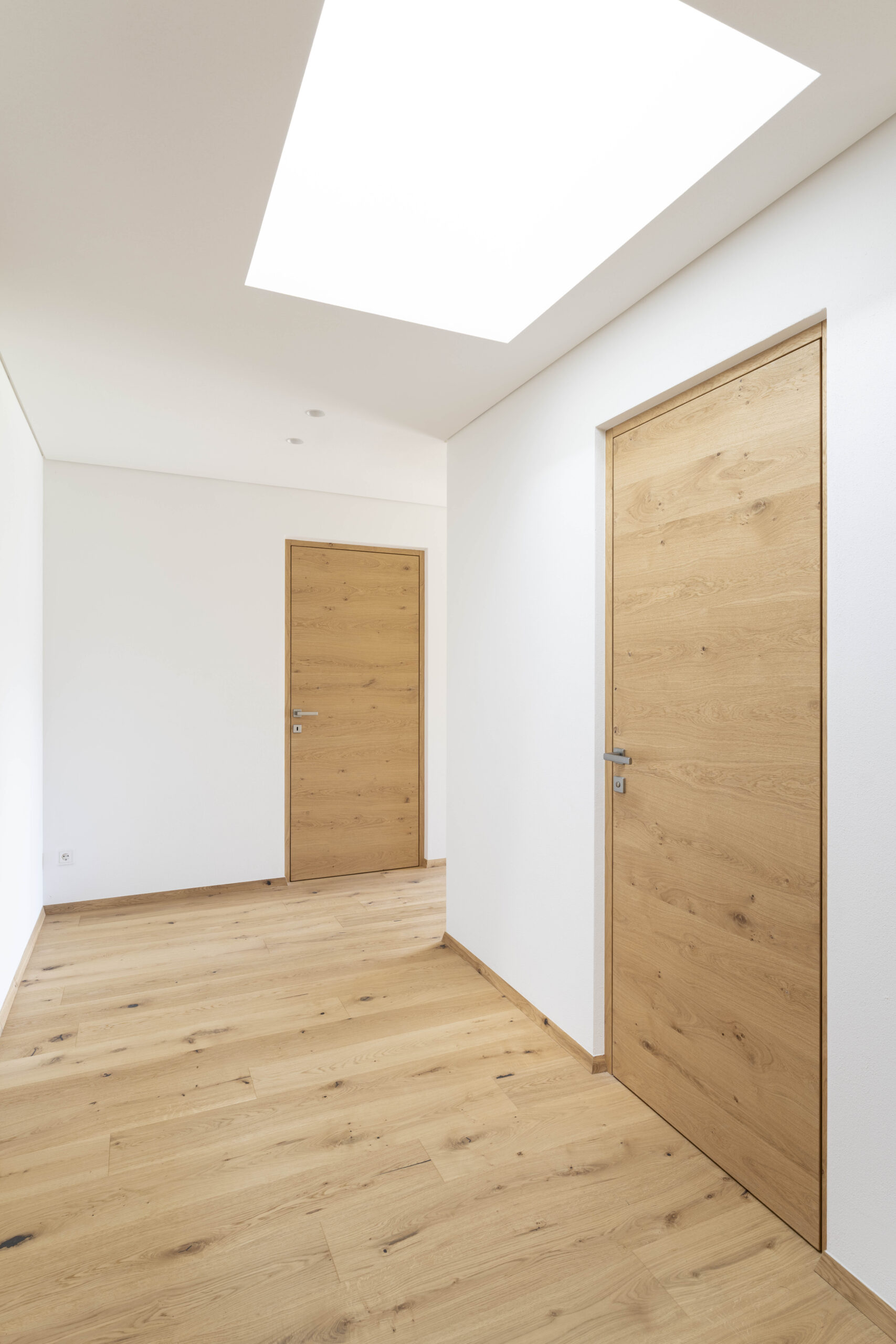
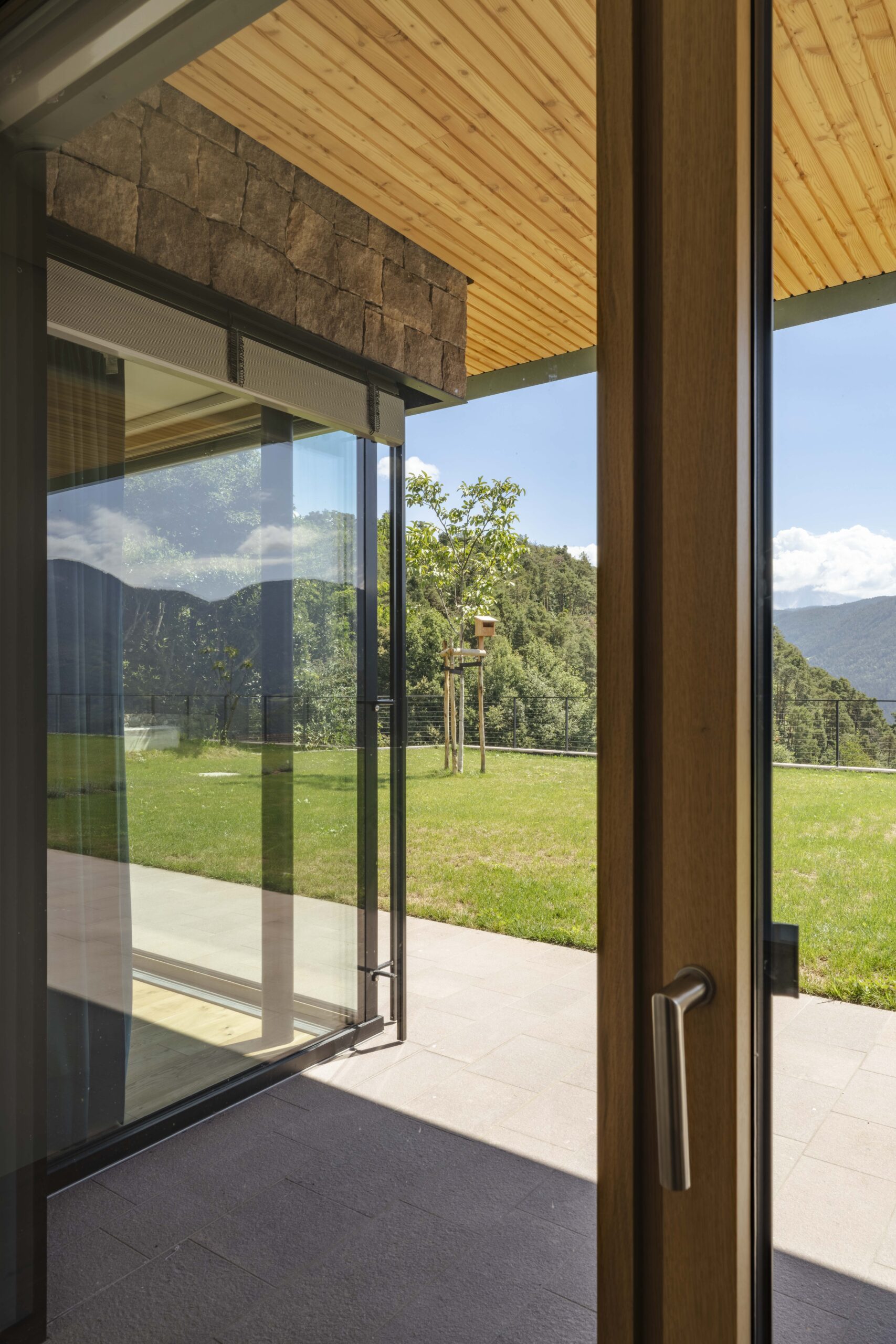
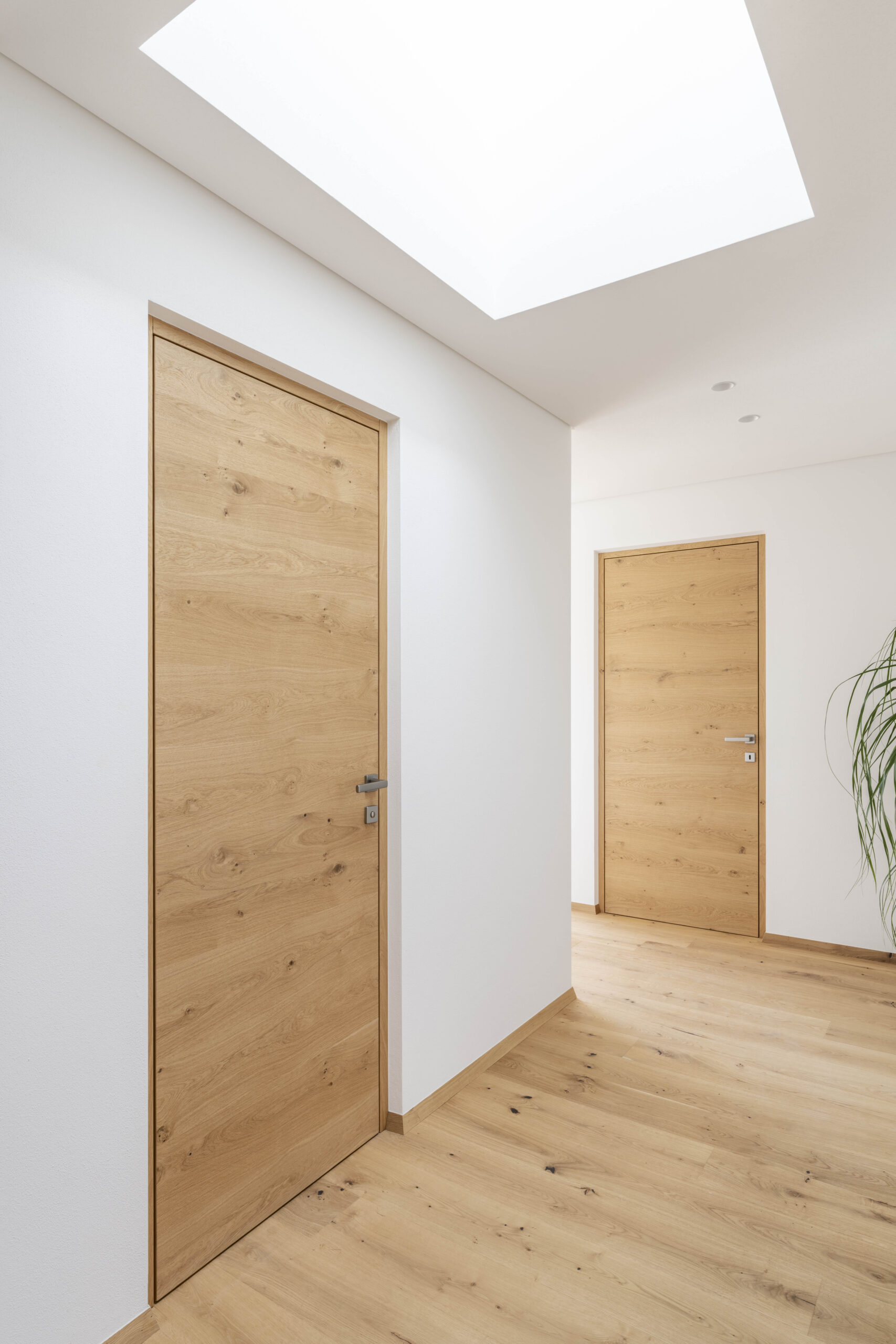
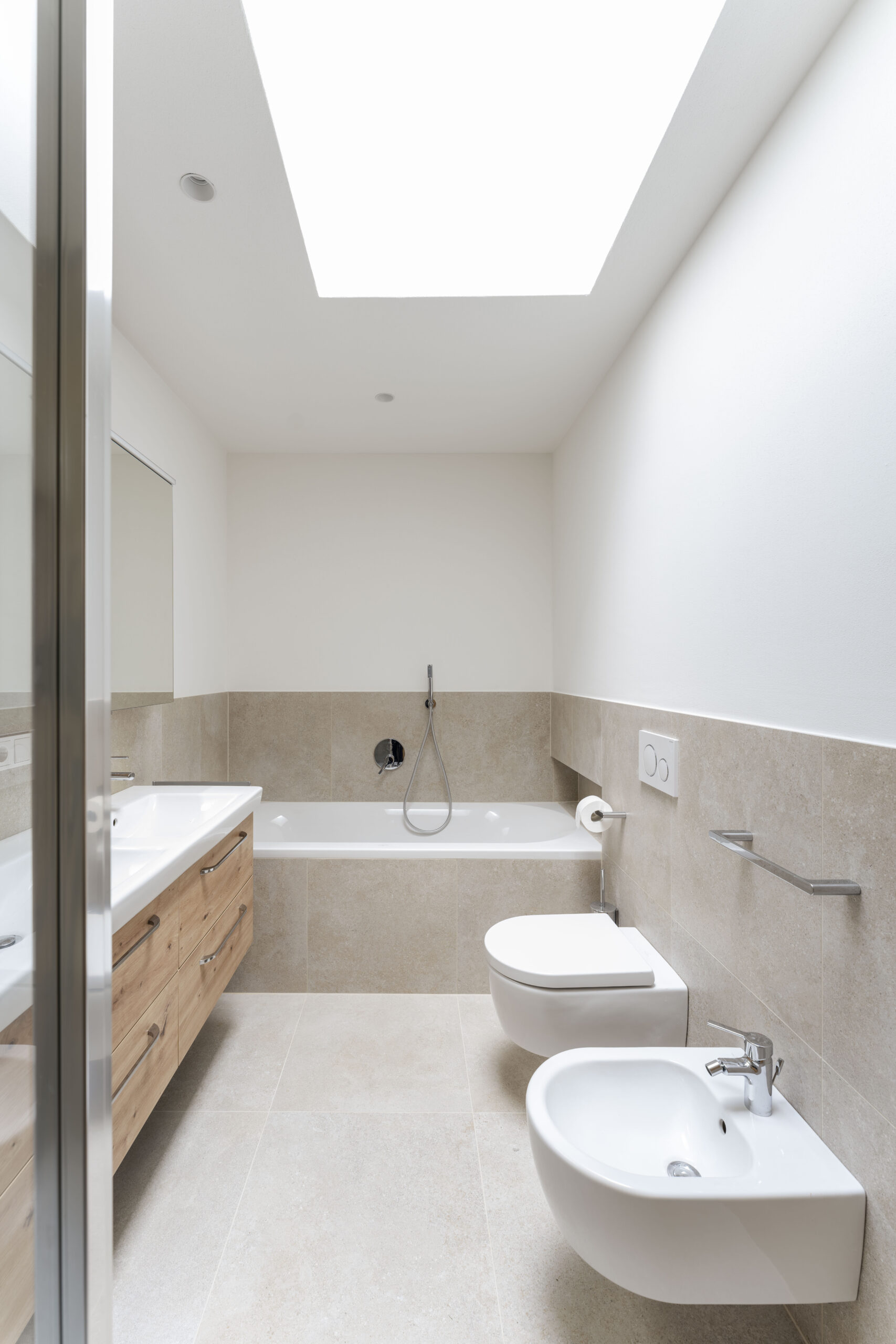
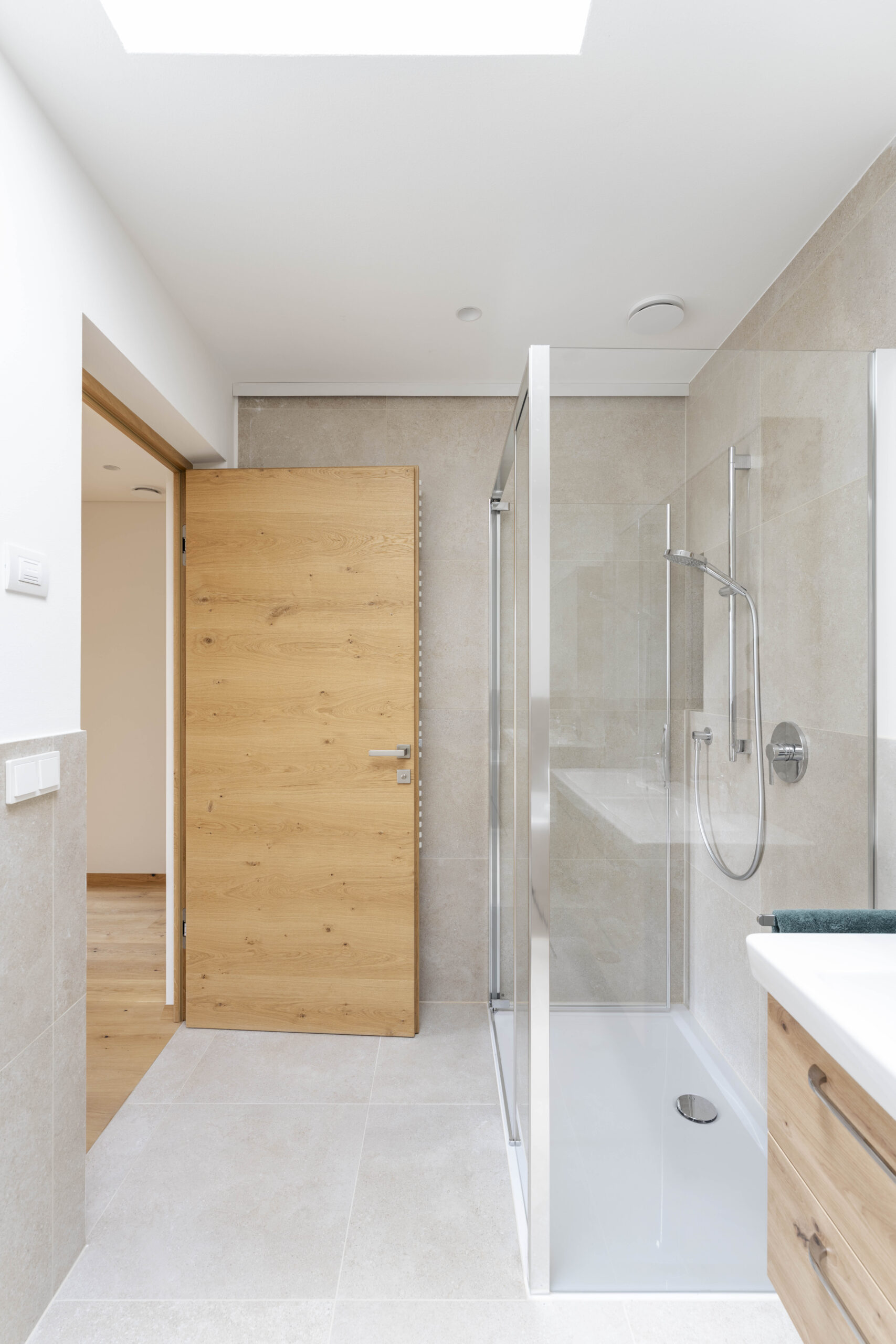
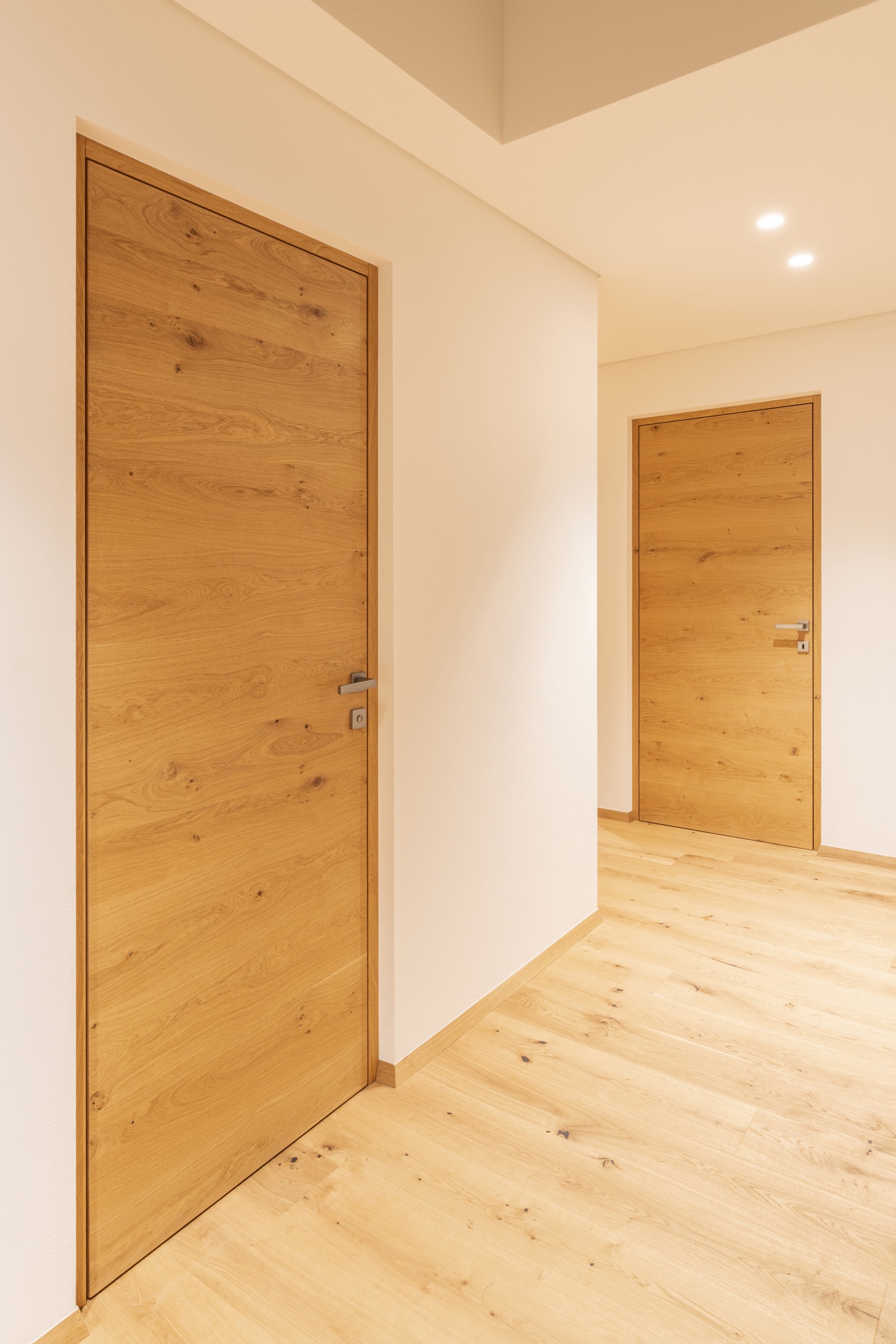
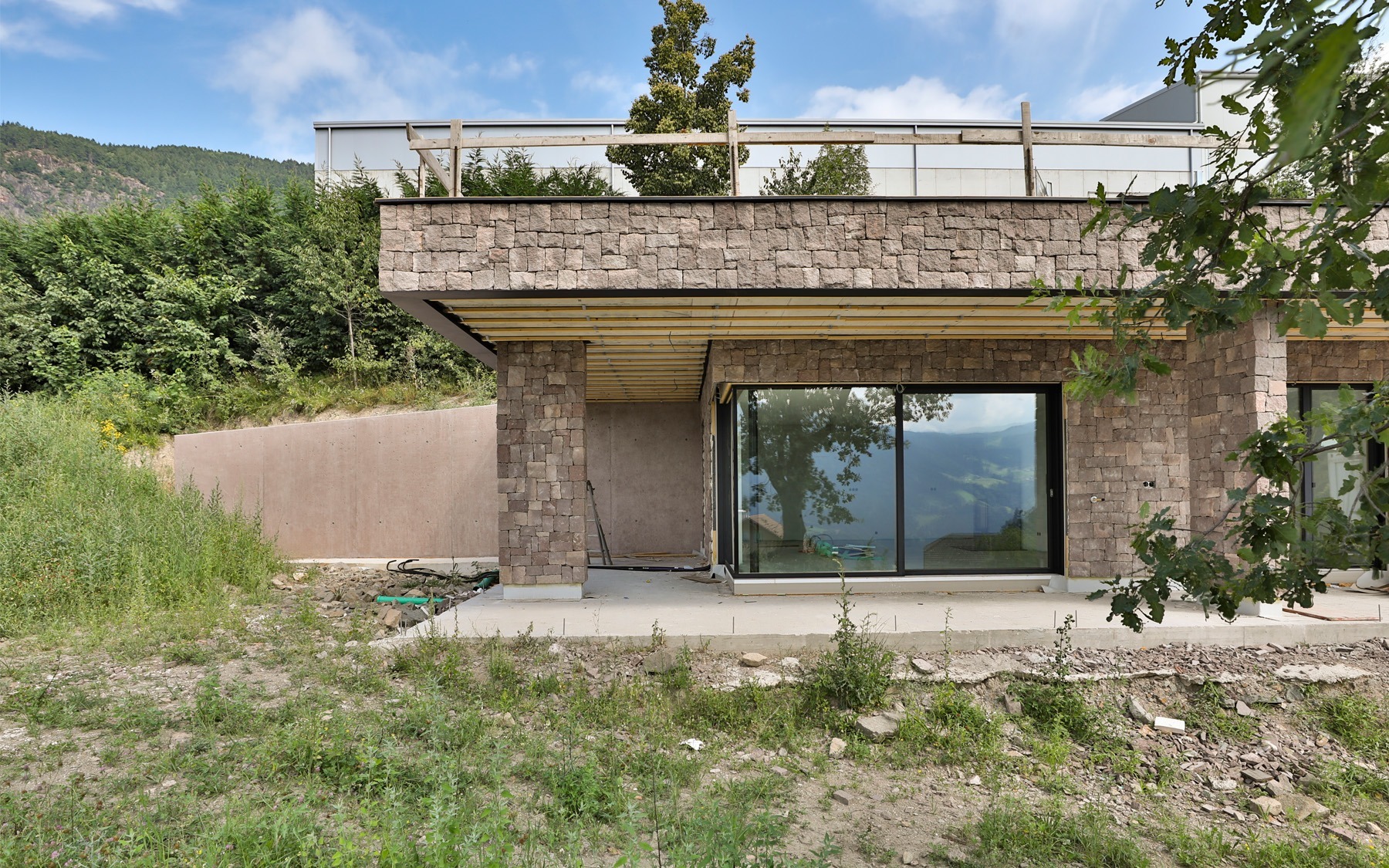
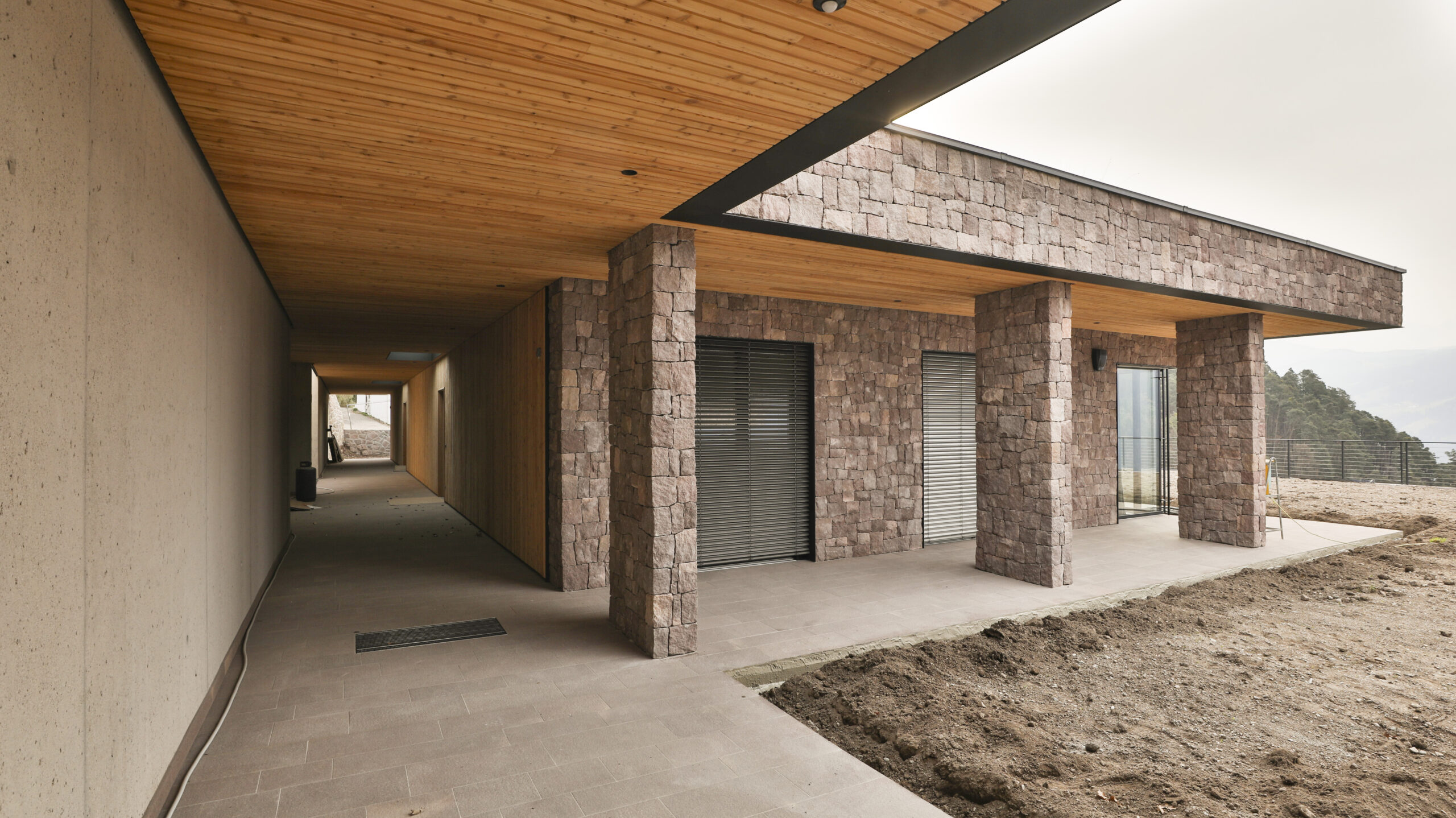
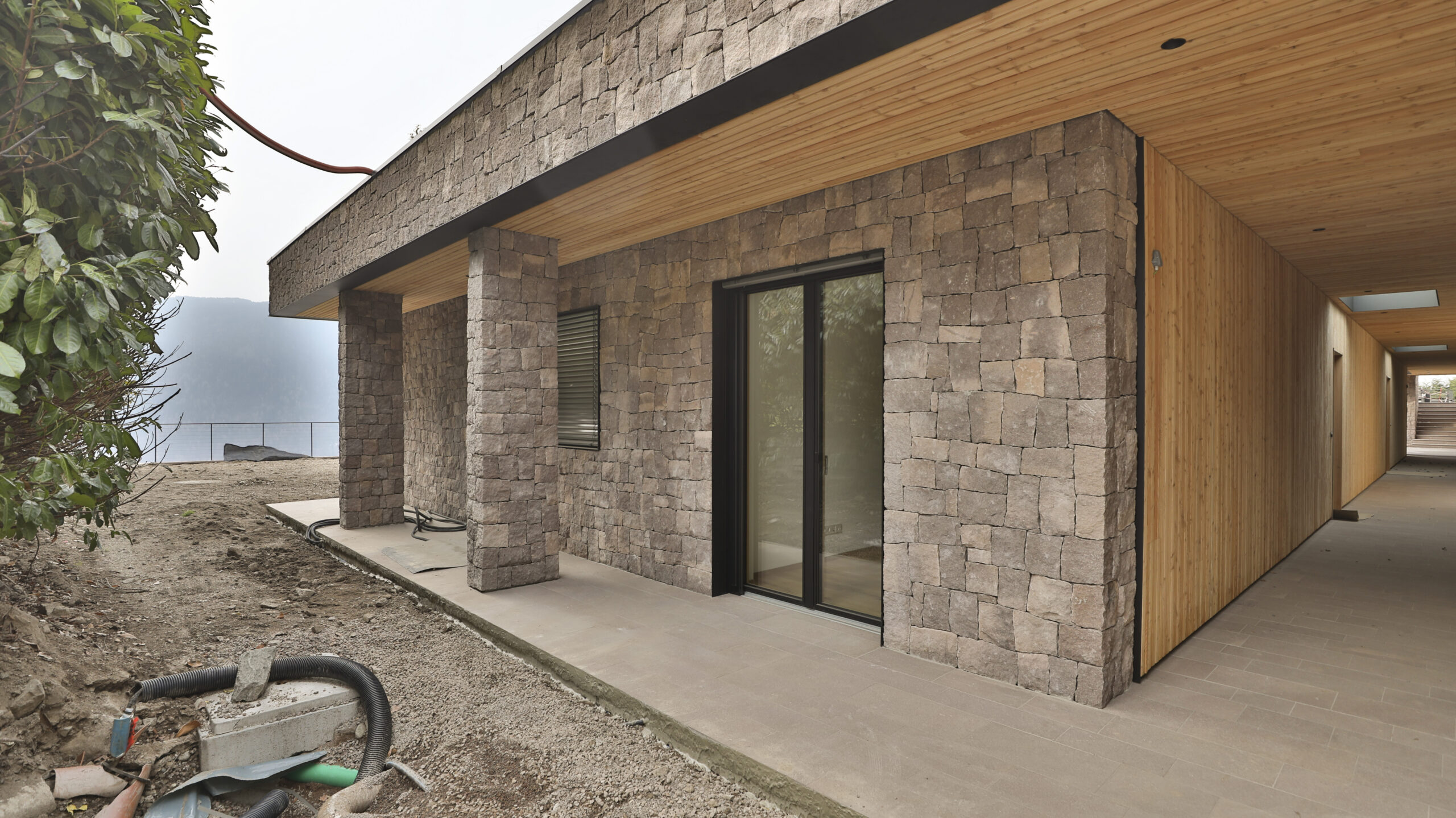
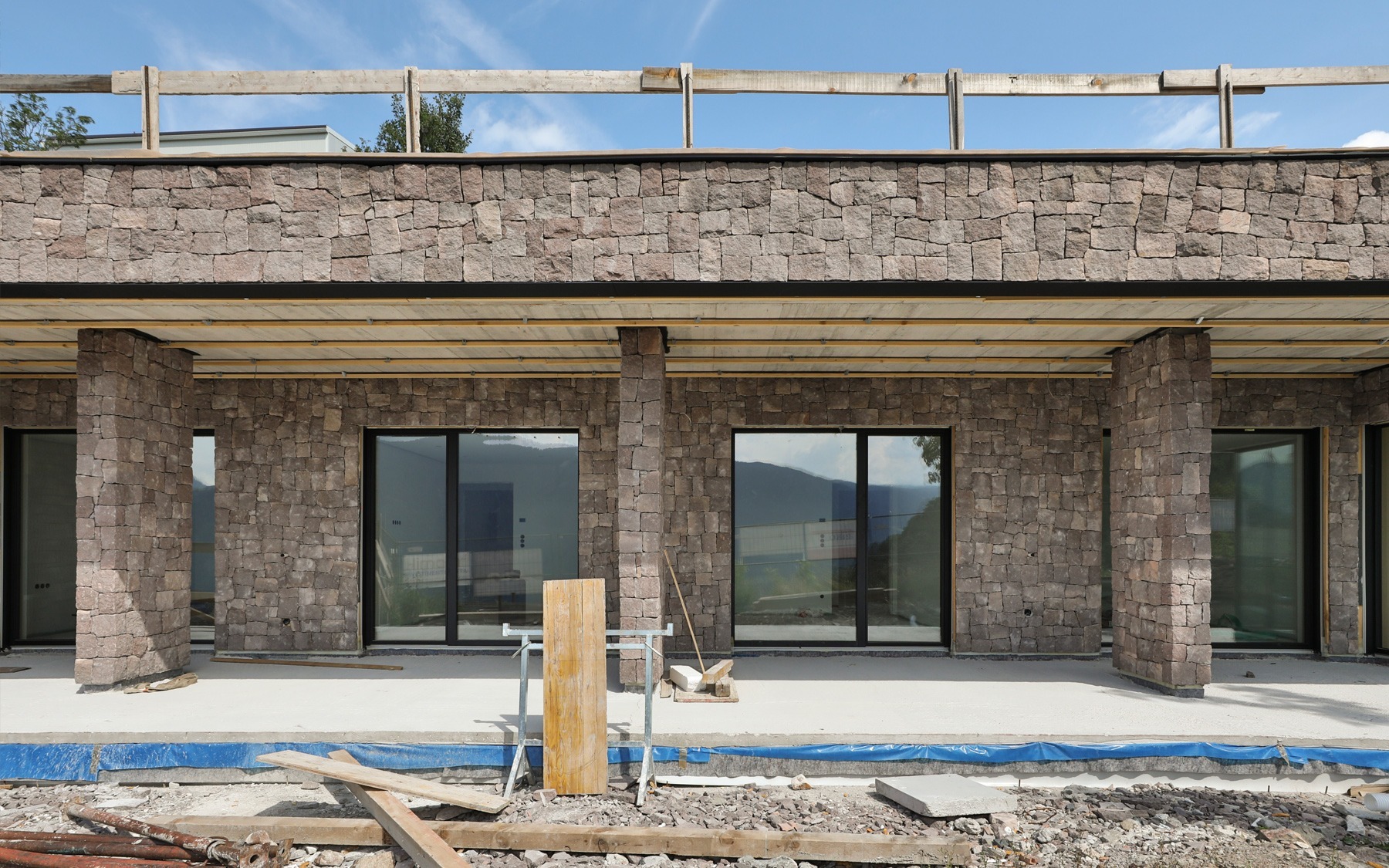
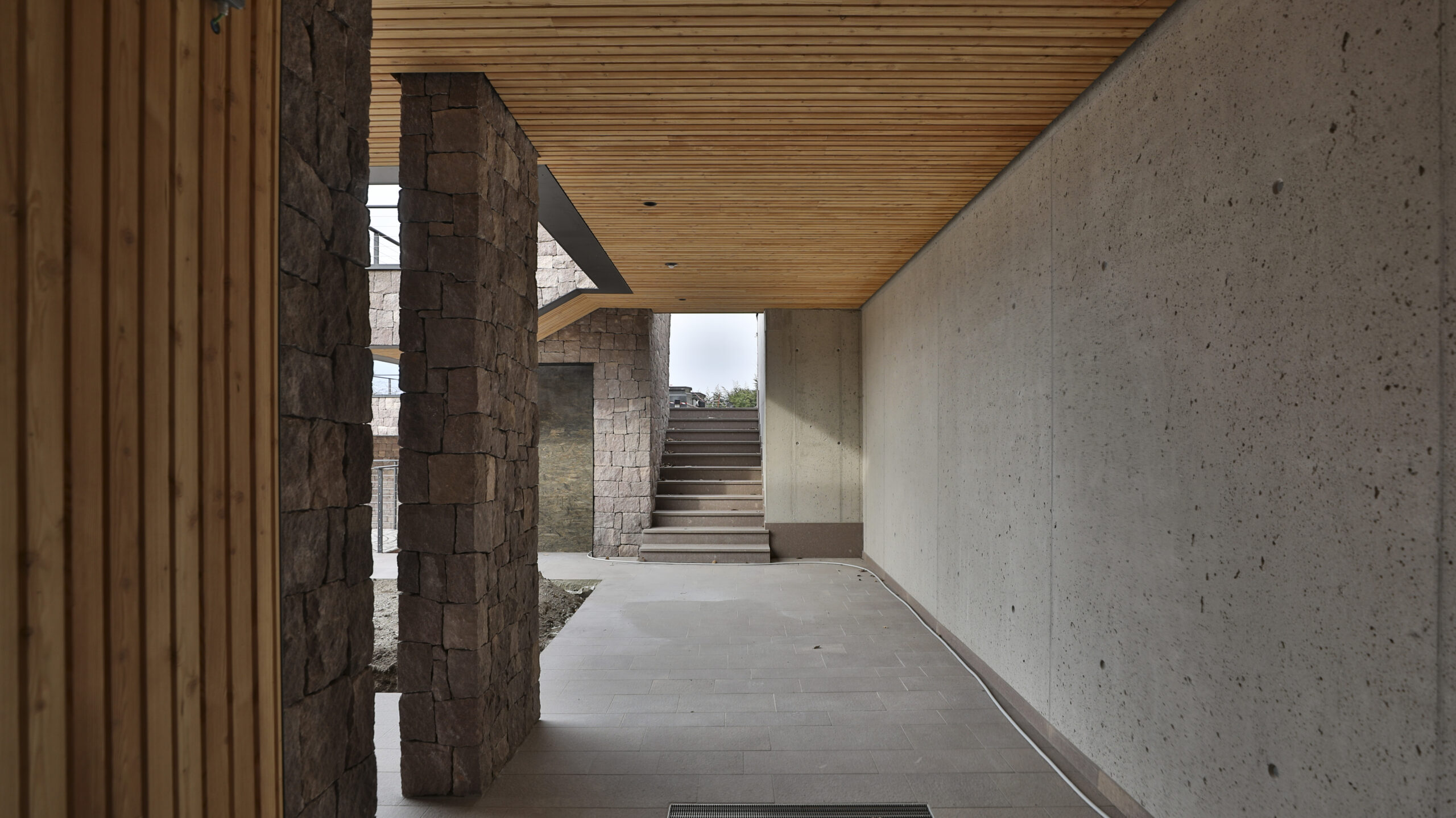
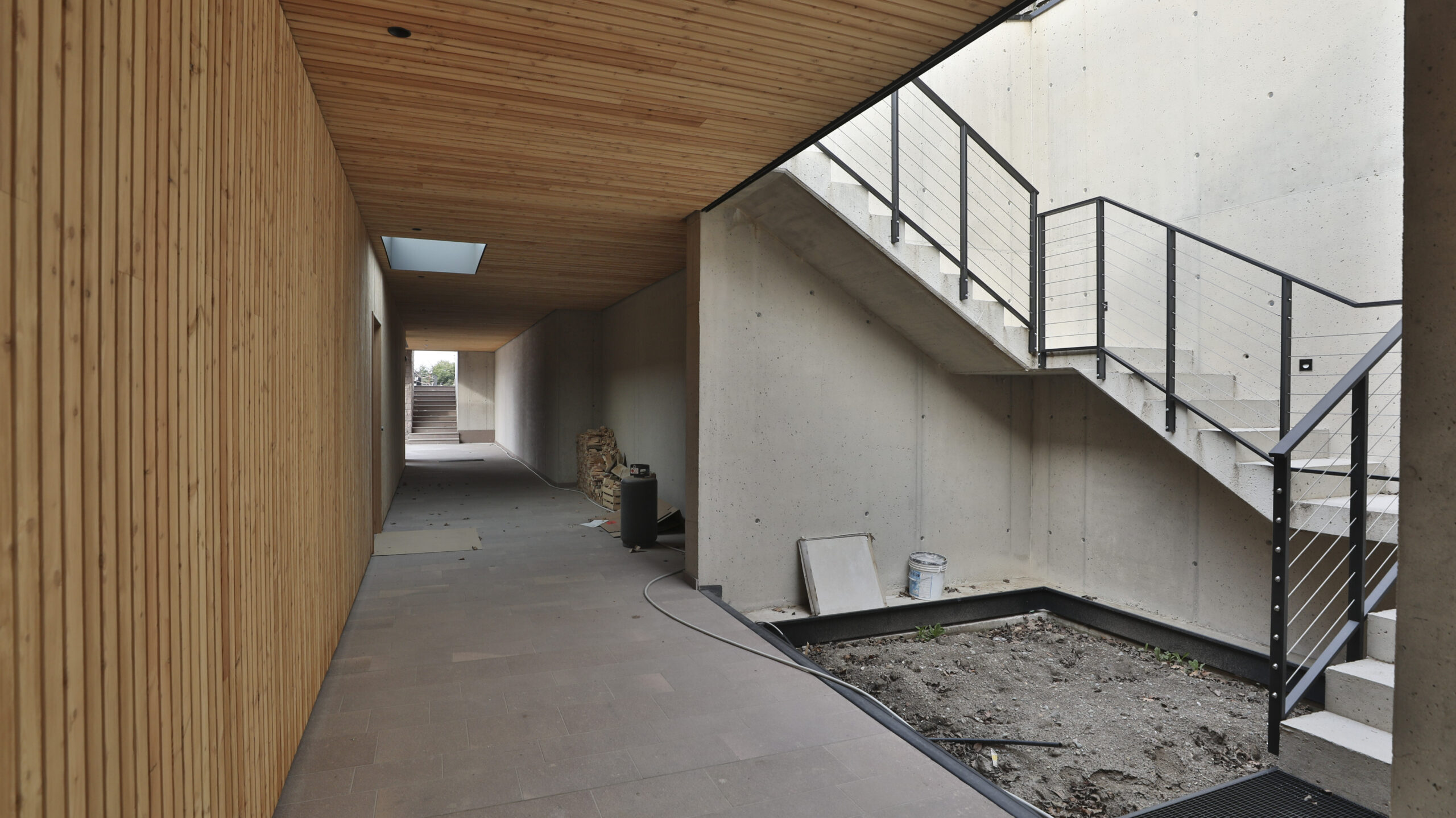
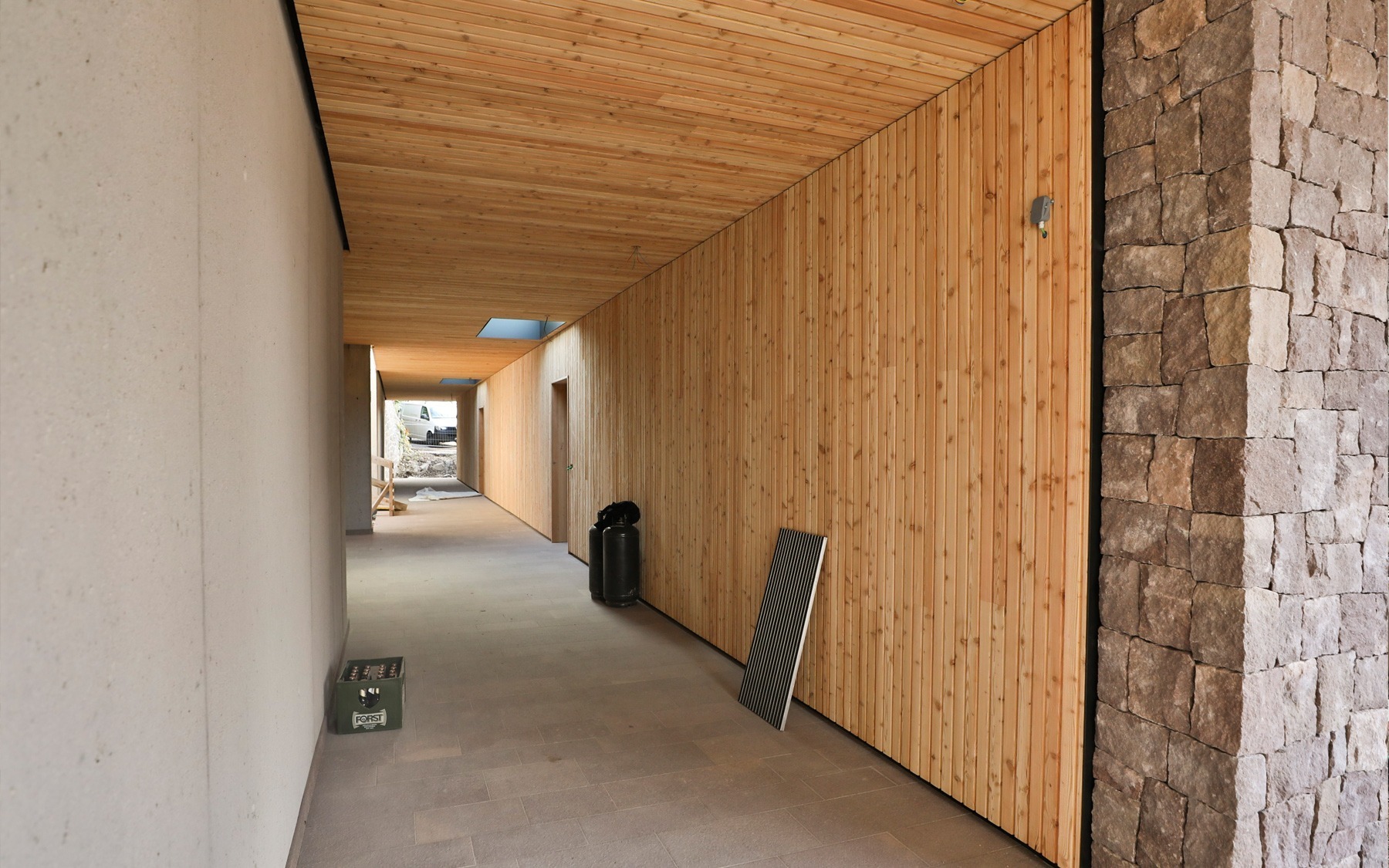
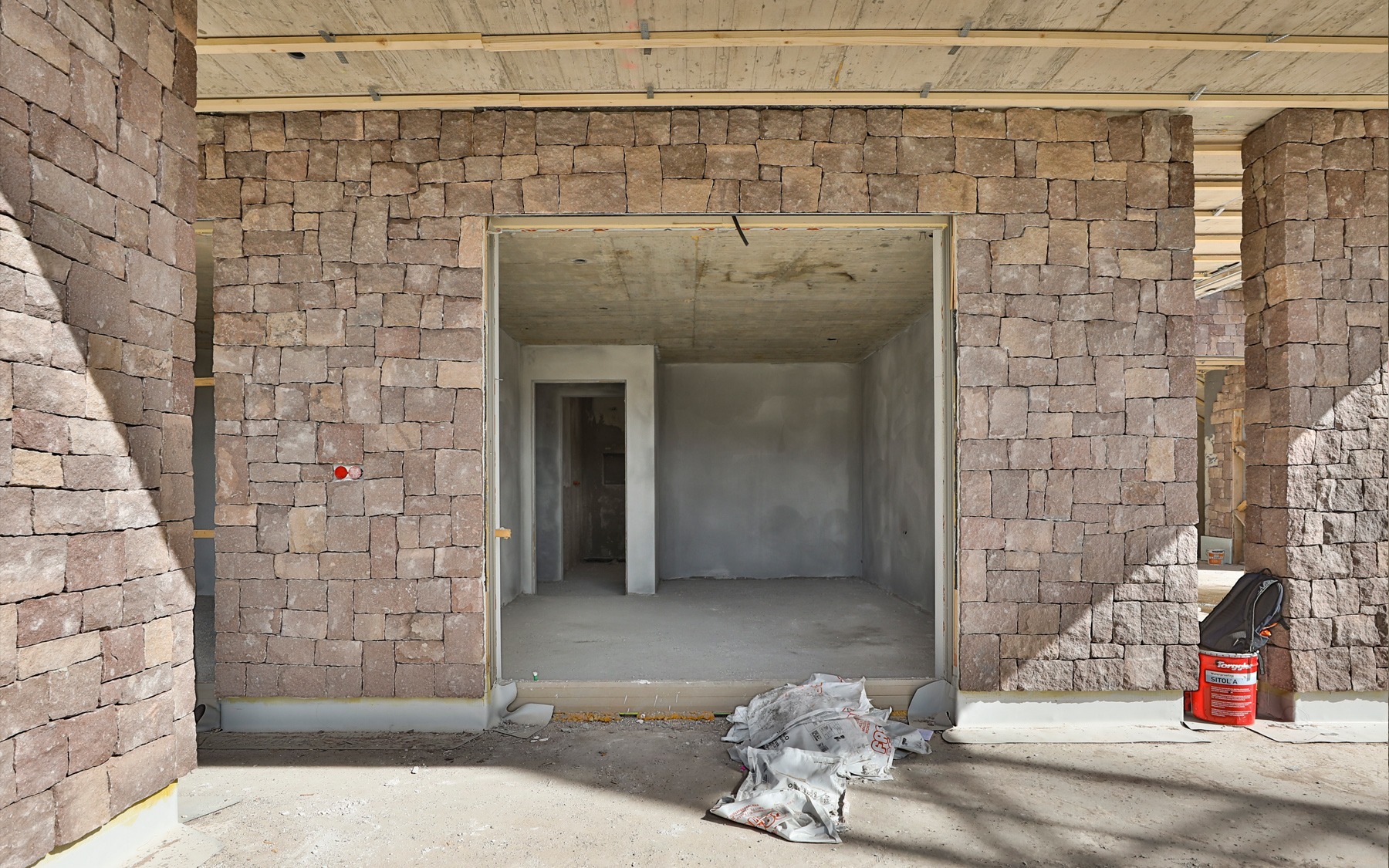
The material used for the cladding of the homes is natural red porphyry from Val Gardena—the same stone found on the terraces and walkways—which grounds the building in its context. Larch wood is used to line the ceilings of the porticoes and loggias that frame the facades, as well as for the corridor’s boiserie. Dark metal resolves the details with precision: frames and profiles of the windows and doors, parapets and railings, and the flashings and verge trims of the roofs. Inside the apartments, the living–kitchen areas open up with large corner glazed windows—made possible by the use of a steel column—allowing the view to flow unobstructed. Oak floors and doors bring domestic warmth, and a stone wood-burning stove adds a contemporary Alpine touch. The project is also defined by the importance of zenithal light, which enters through skylights and linear roof openings, ensuring uniform brightness in circulation areas and bathrooms and contributing to natural ventilation.
The new construction consists of two blocks developed on a single level and staggered between them. An underground basement served by a new driveway ramp provides independent access to the property and connects directly to the flats. One green roof, accessible from the central staircase, connects the building to the slope, becoming its natural continuation.
The power of the new architecture lies in its connection with the surrounding natural environment: the design focus was on integrating the entire building with the landform, making modern, functional architecture dialogue with its natural surroundings, opening up to the exceptional panorama of the Dolomites.
The material used for the cladding of the homes is natural red porphyry from Val Gardena—the same stone found on the terraces and walkways—which grounds the building in its context. Larch wood is used to line the ceilings of the porticoes and loggias that frame the facades, as well as for the corridor’s boiserie. Dark metal resolves the details with precision: frames and profiles of the windows and doors, parapets and railings, and the flashings and verge trims of the roofs. Inside the apartments, the living–kitchen areas open up with large corner glazed windows—made possible by the use of a steel column—allowing the view to flow unobstructed. Oak floors and doors bring domestic warmth, and a stone wood-burning stove adds a contemporary Alpine touch. The project is also defined by the importance of zenithal light, which enters through skylights and linear roof openings, ensuring uniform brightness in circulation areas and bathrooms and contributing to natural ventilation.
CONCEPT
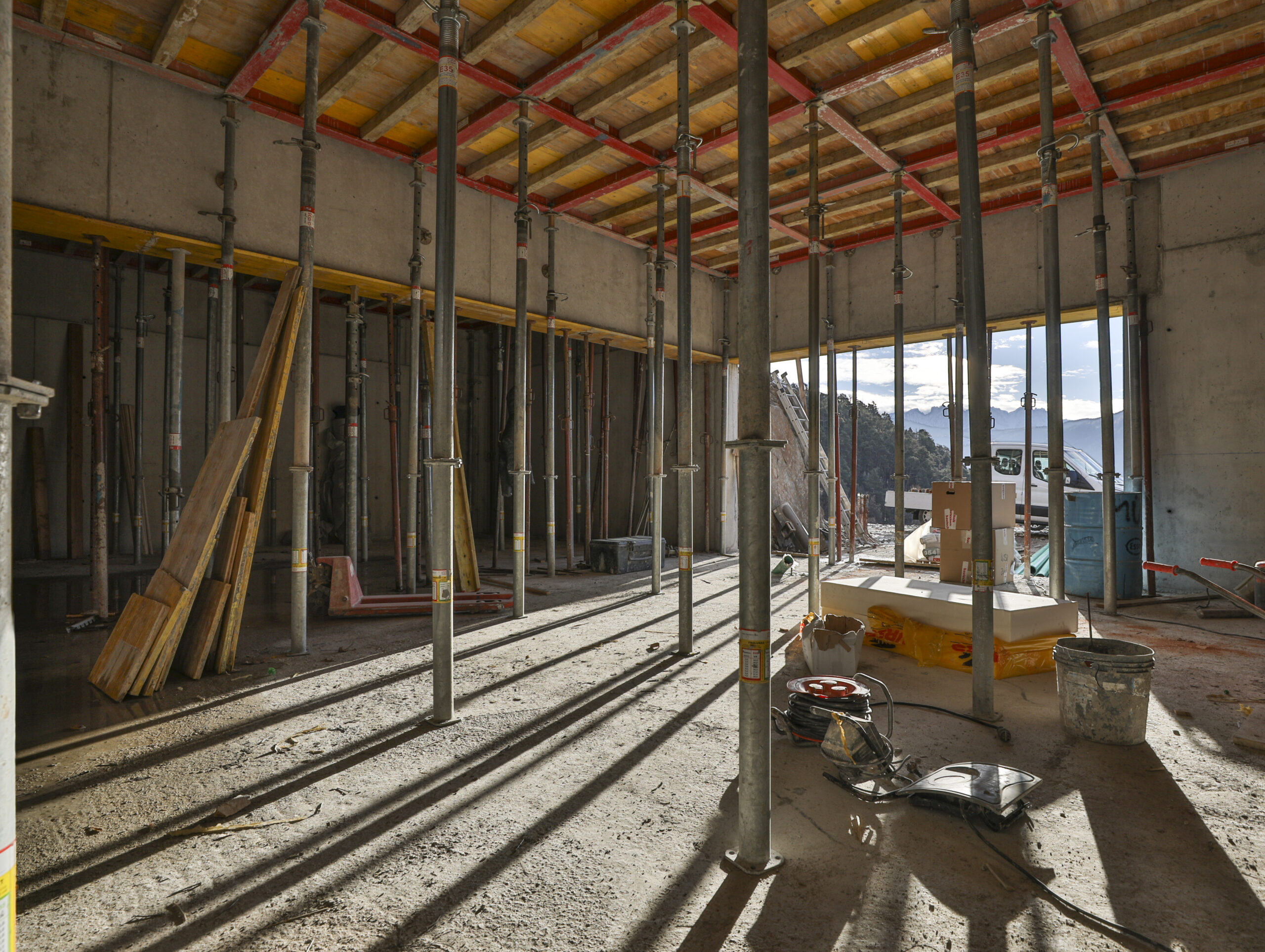
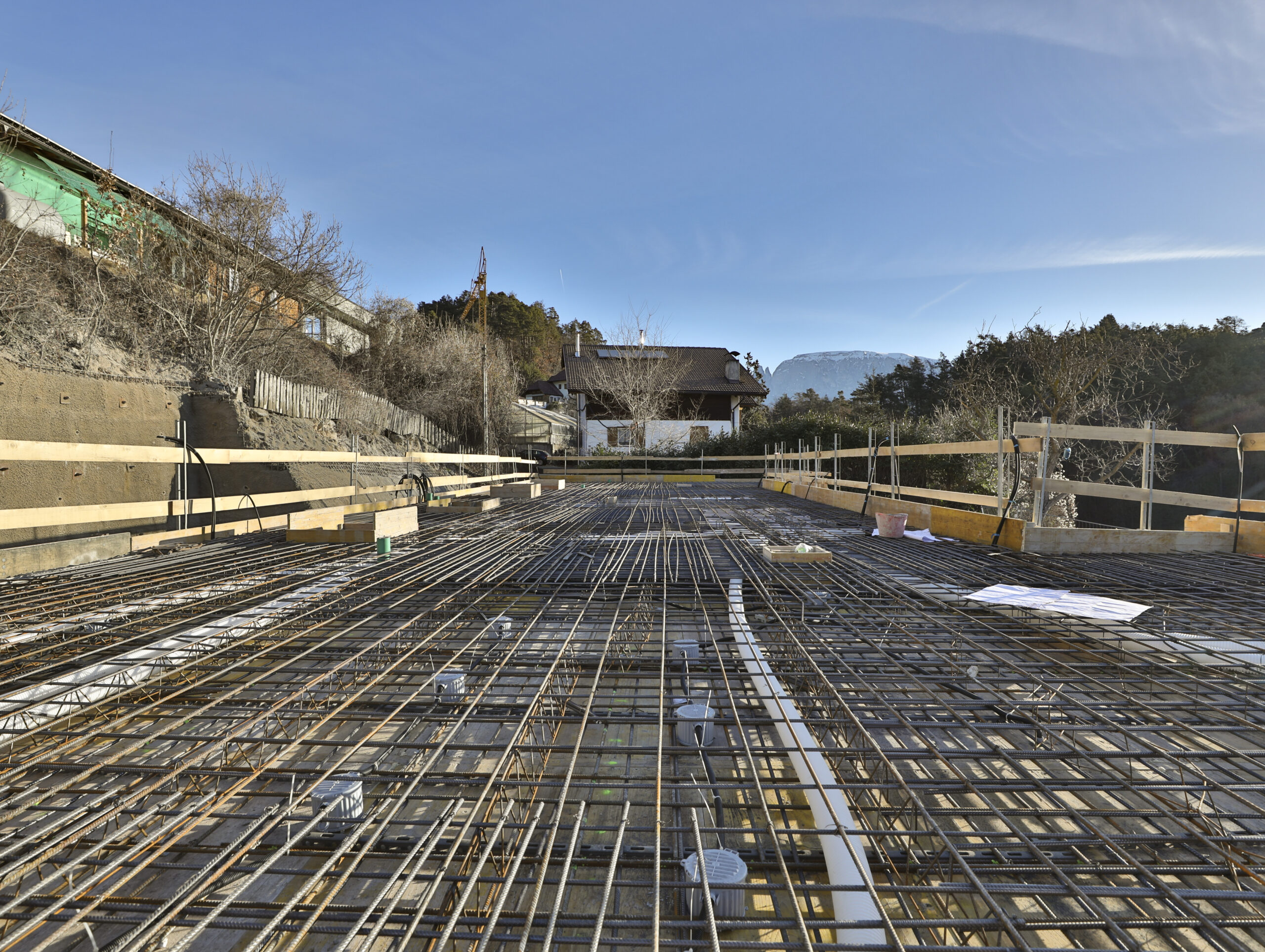
The building envelope is designed to ensure maximum living comfort: an external thermal insulation system on the facades, insulating panels beneath the green roofs, and, towards the ground, cellular glass granulate combining insulation, lightness, and drainage. On the systems front, all apartments are served by a centralized electric heat pump that supplies radiant heating and cooling at the ceiling. Controlled mechanical ventilation ensures clean air and continuous air exchange, with ductwork embedded in the reinforced-concrete slabs for optimal acoustic and aesthetic integration. On the roof, a photovoltaic system with dedicated battery storage covers the dwellings’ energy demand and reduces grid draw. Together, these choices have enabled the achievement of CasaClima A certification.