Caldaro (BZ)
Energetic restructuring and restructuration of the loft
Client
privateYear
2012Collaborators
Arch. Franz KostaArch. Federico Campagnino
COMPLETED PROJECT
FROM CONCEPT TO REALITY
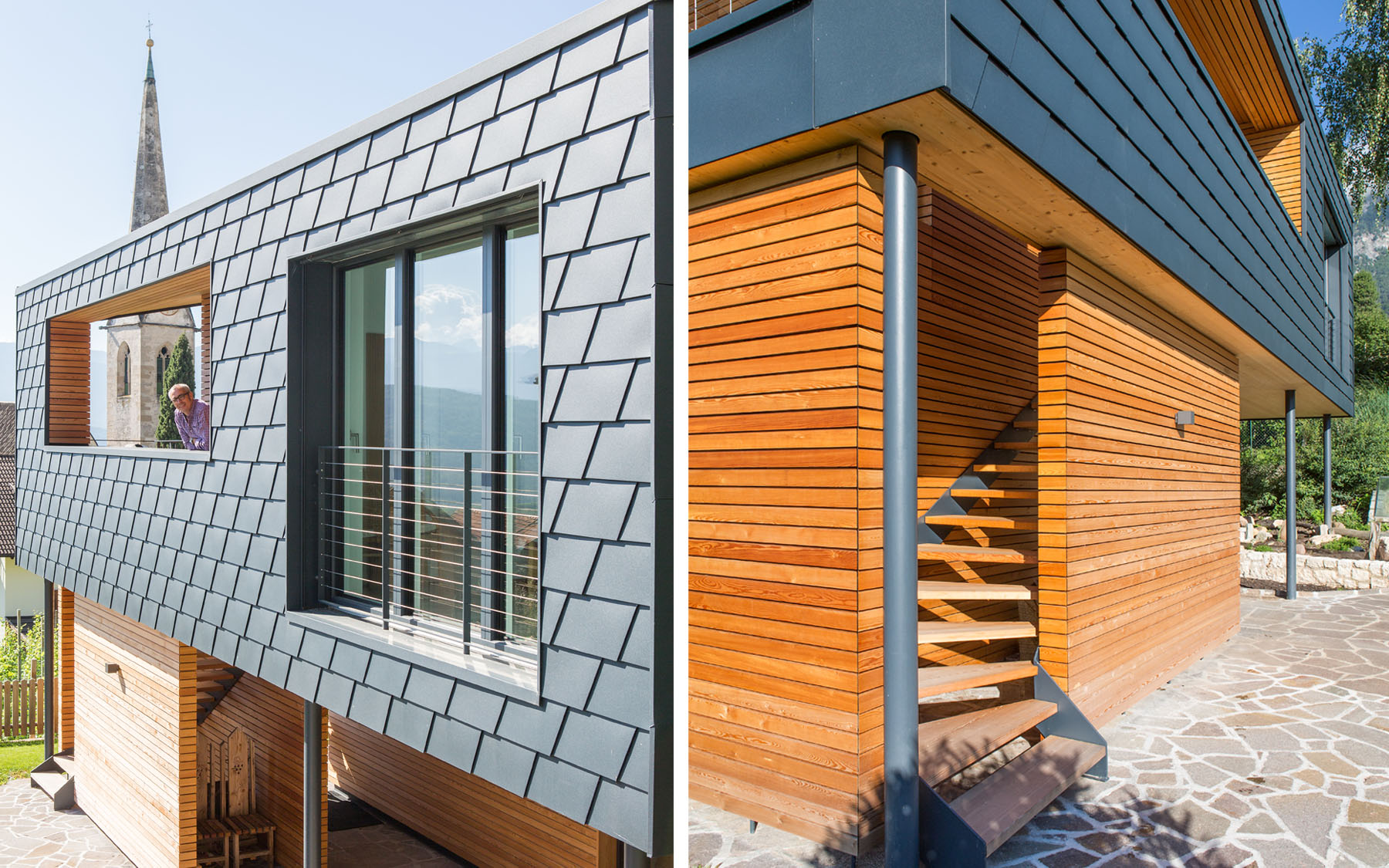
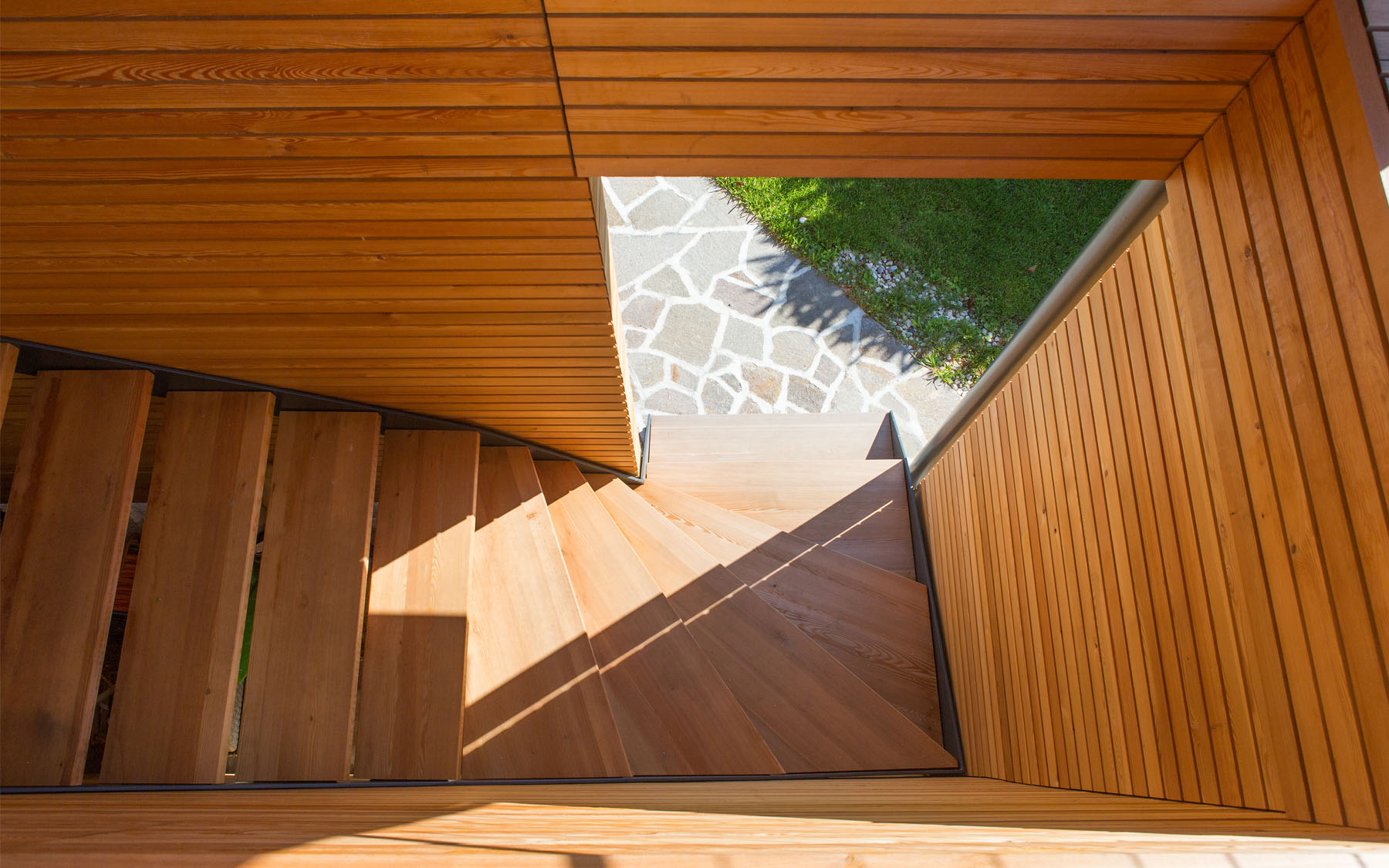
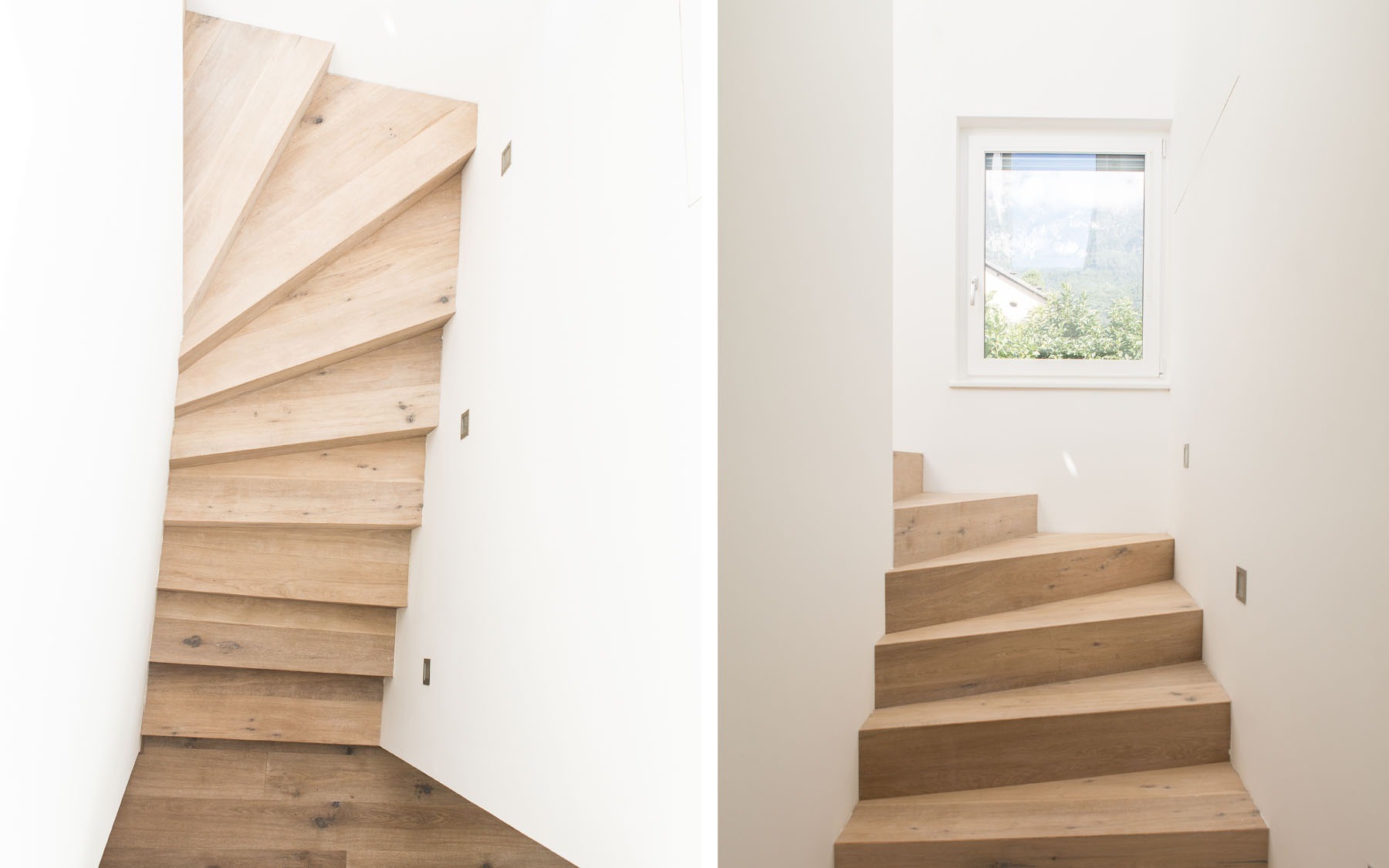
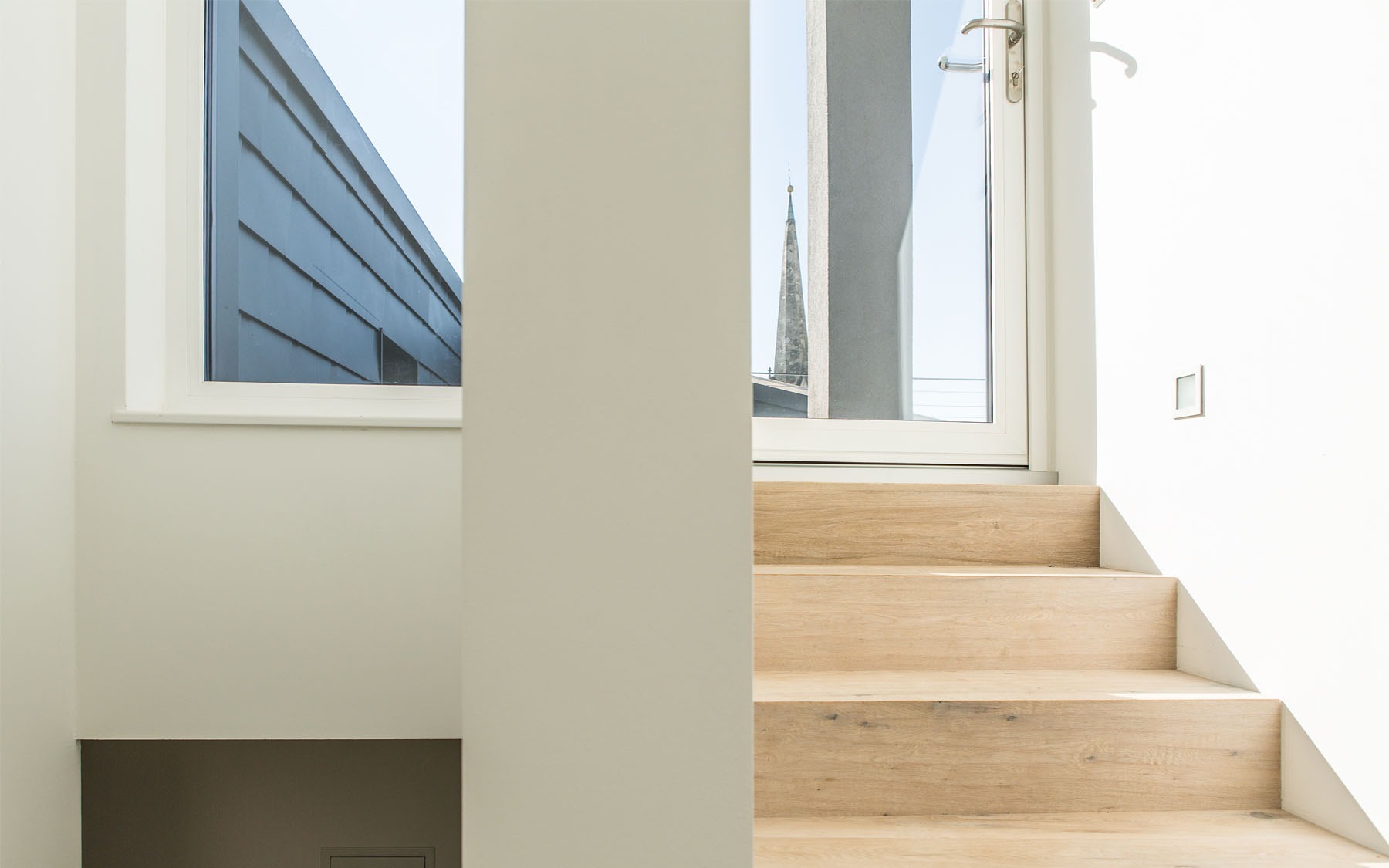
The new wooden structure houses the stairs leading to the new flat on the upper floor, protecting them from the elements and ensuring maximum comfort and safety for users in all weather conditions.
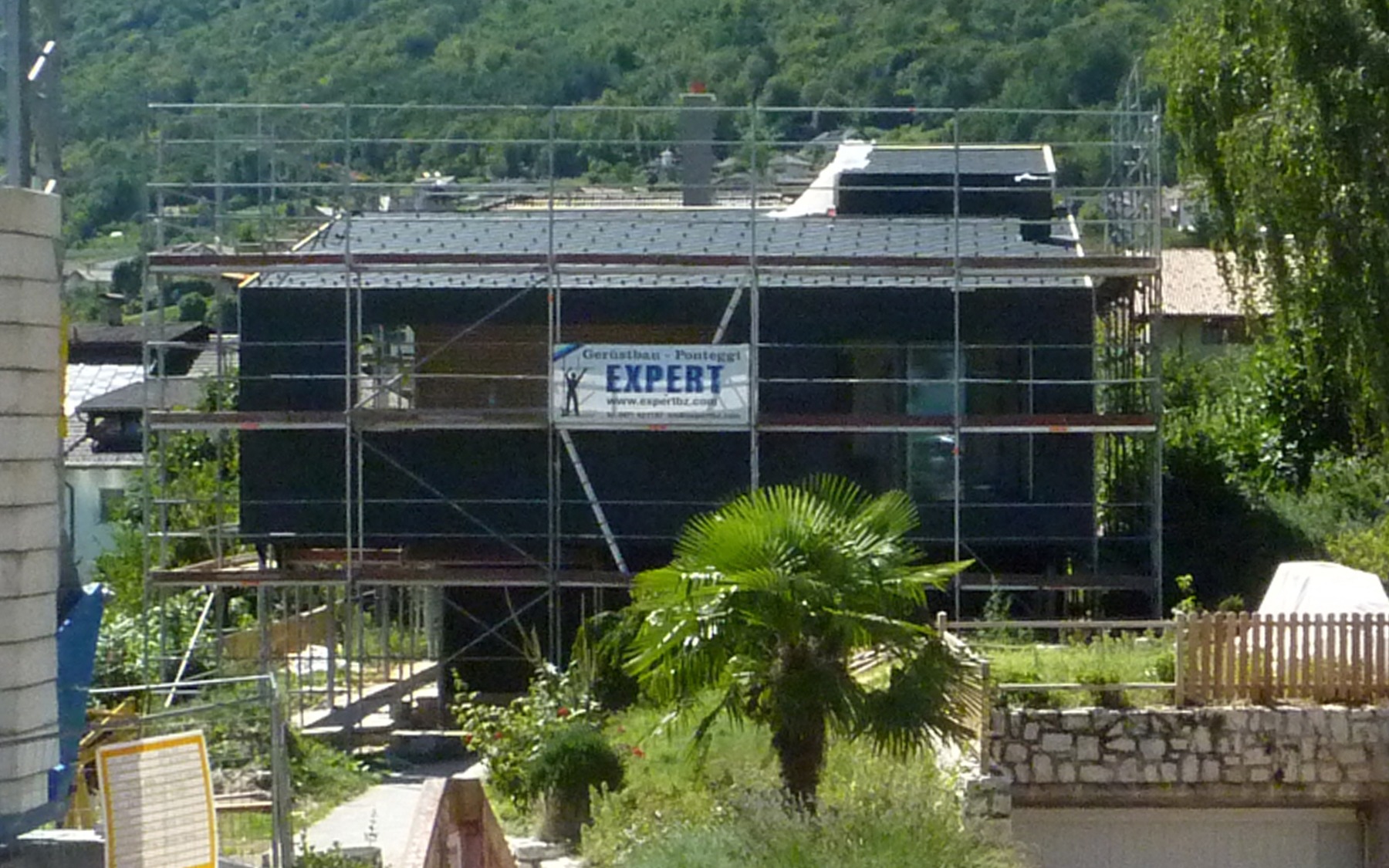
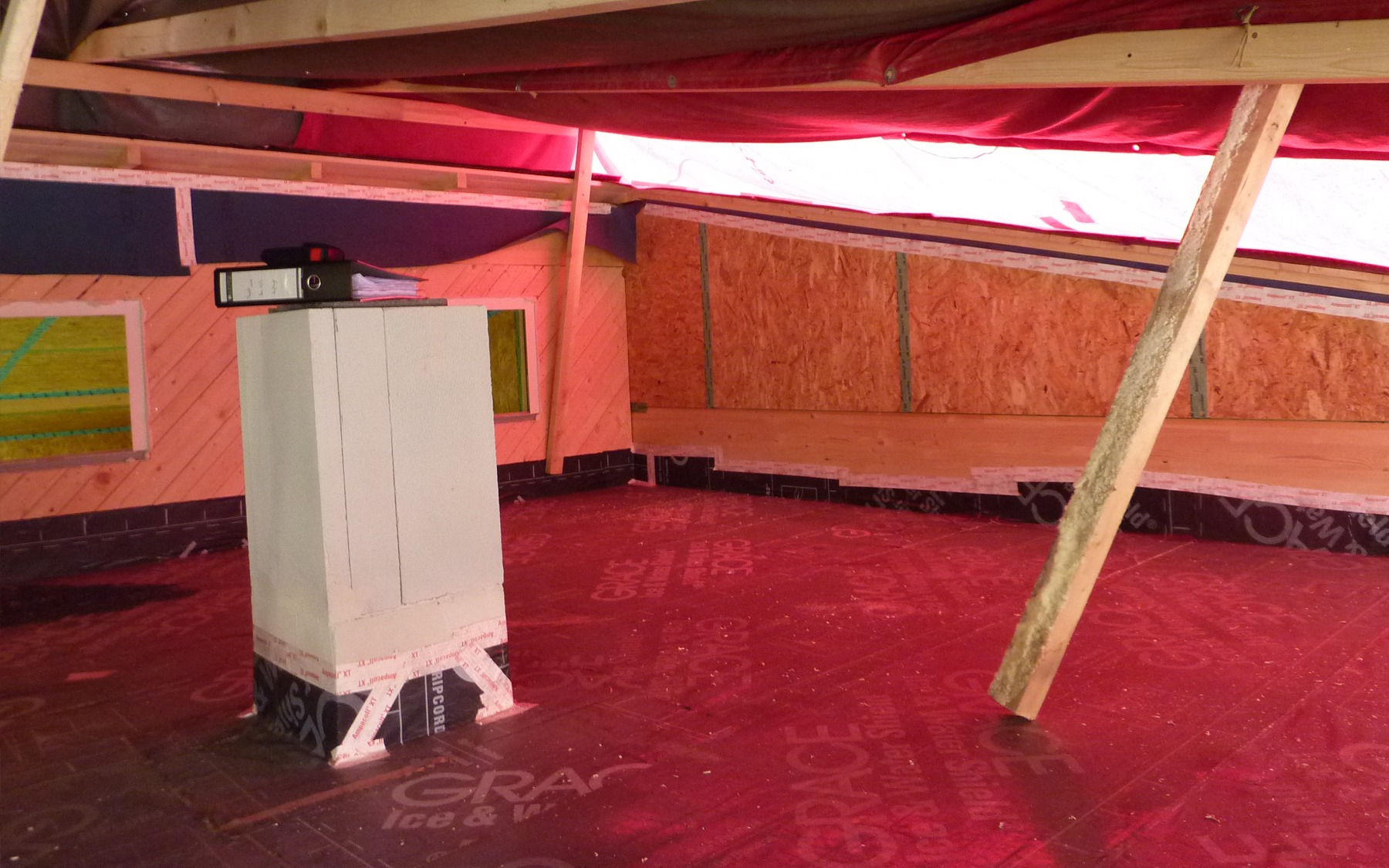
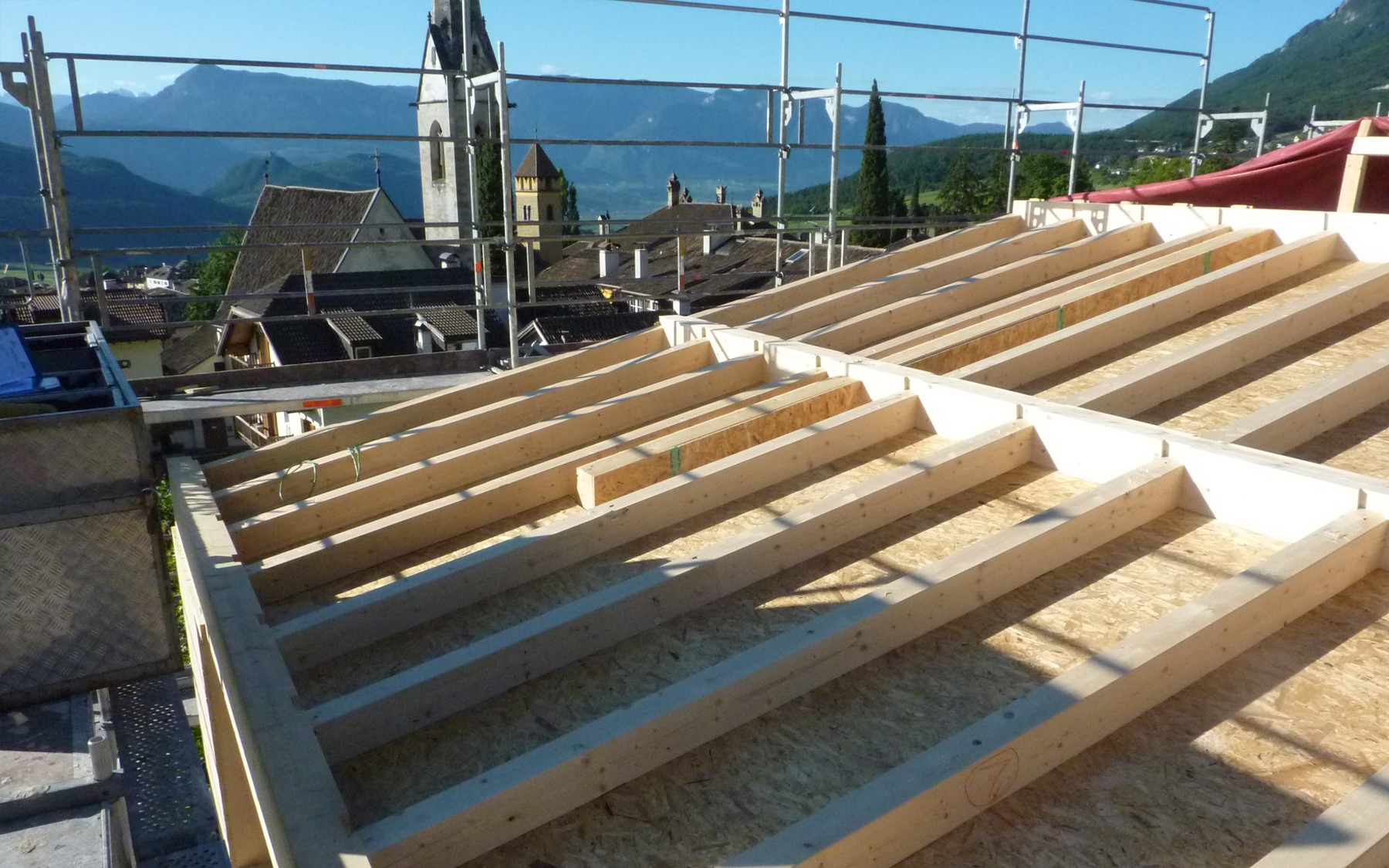
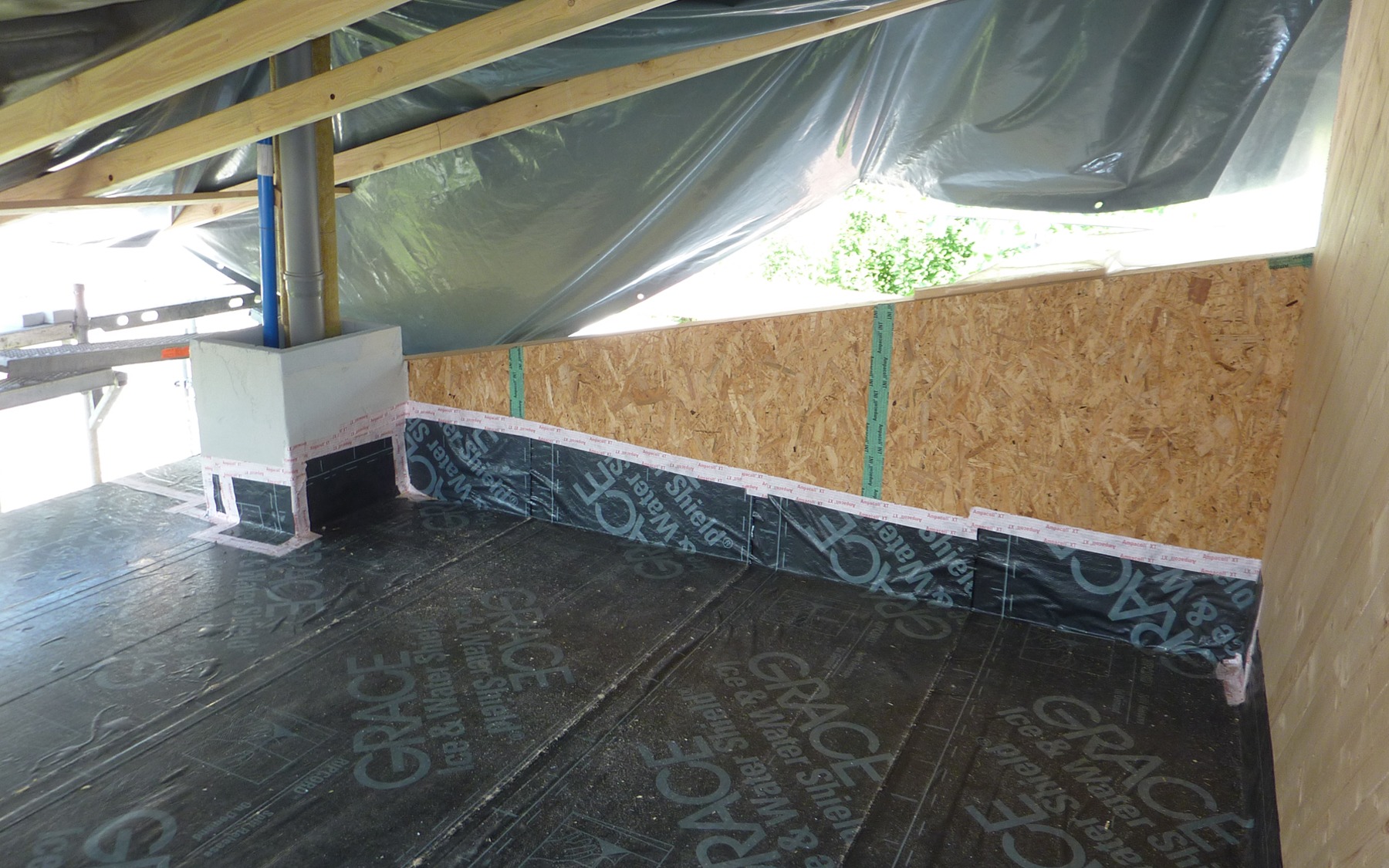
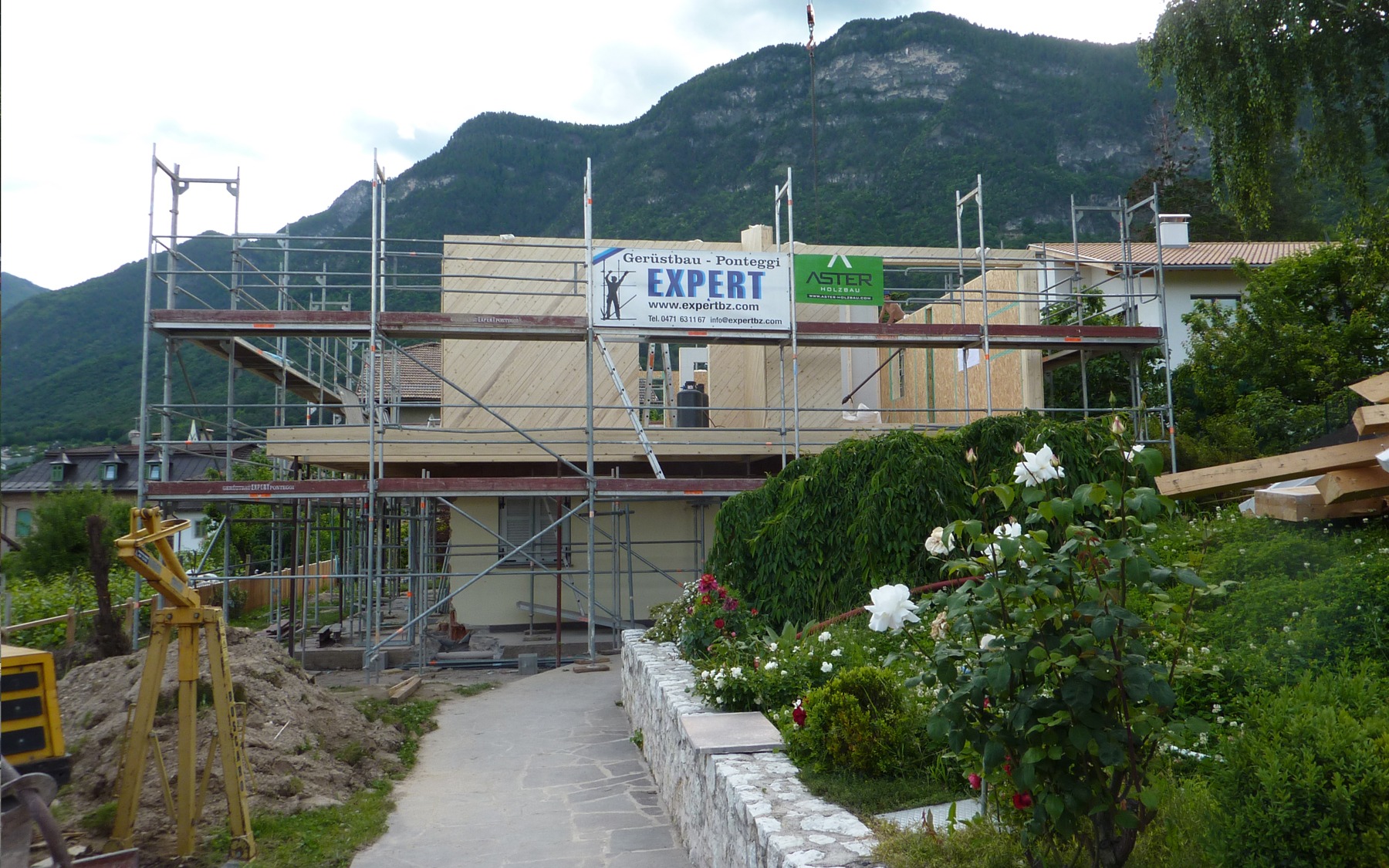
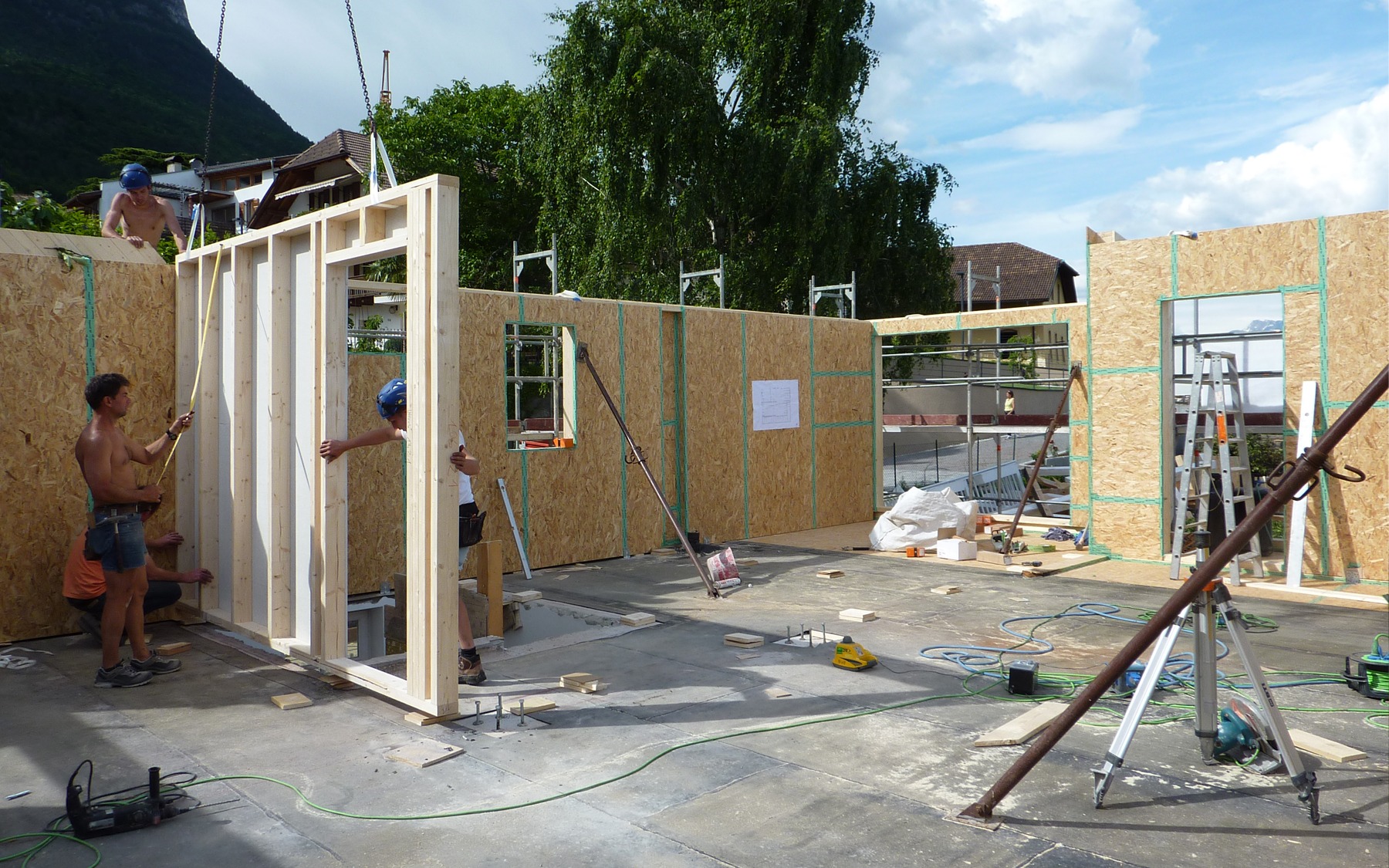
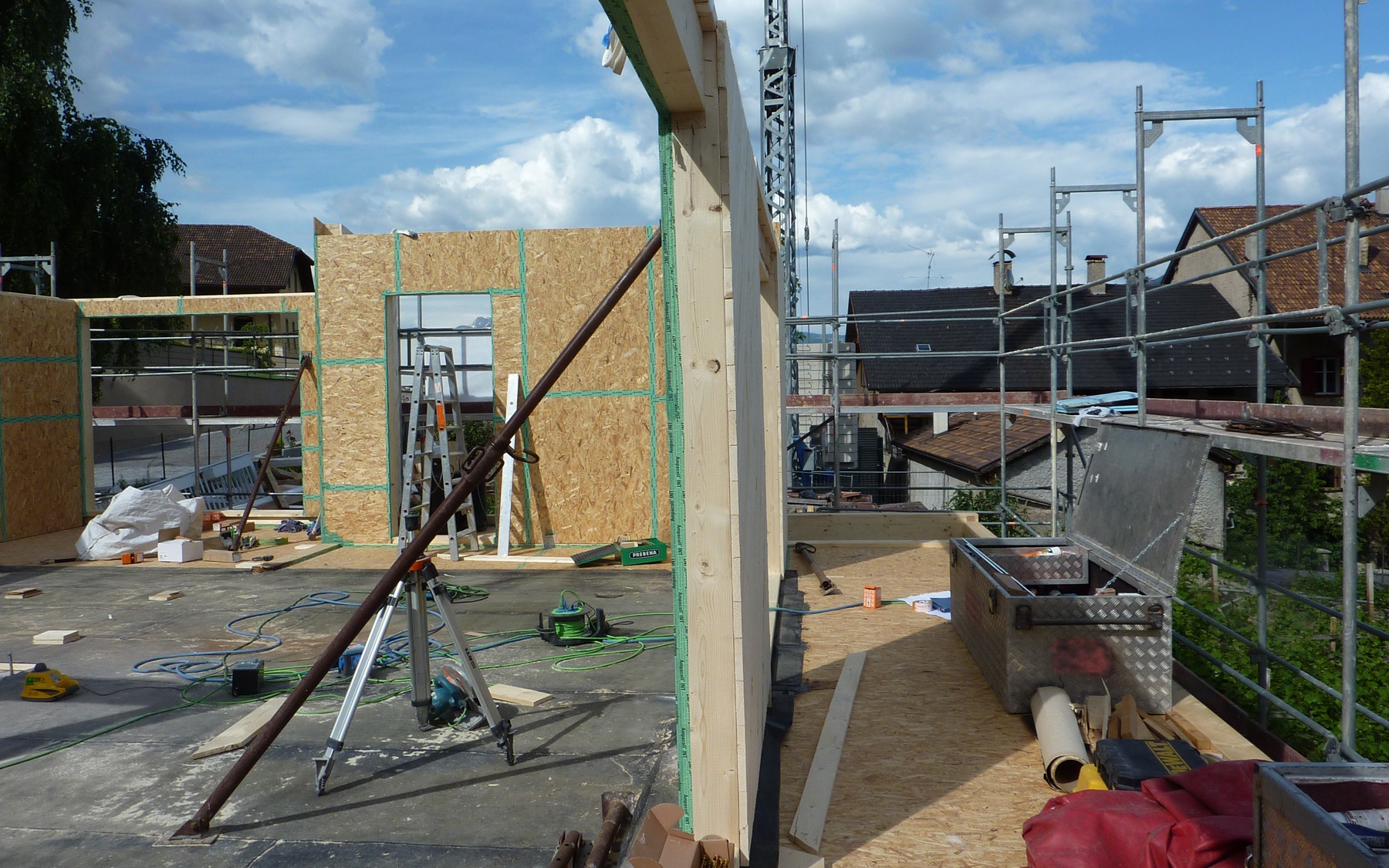
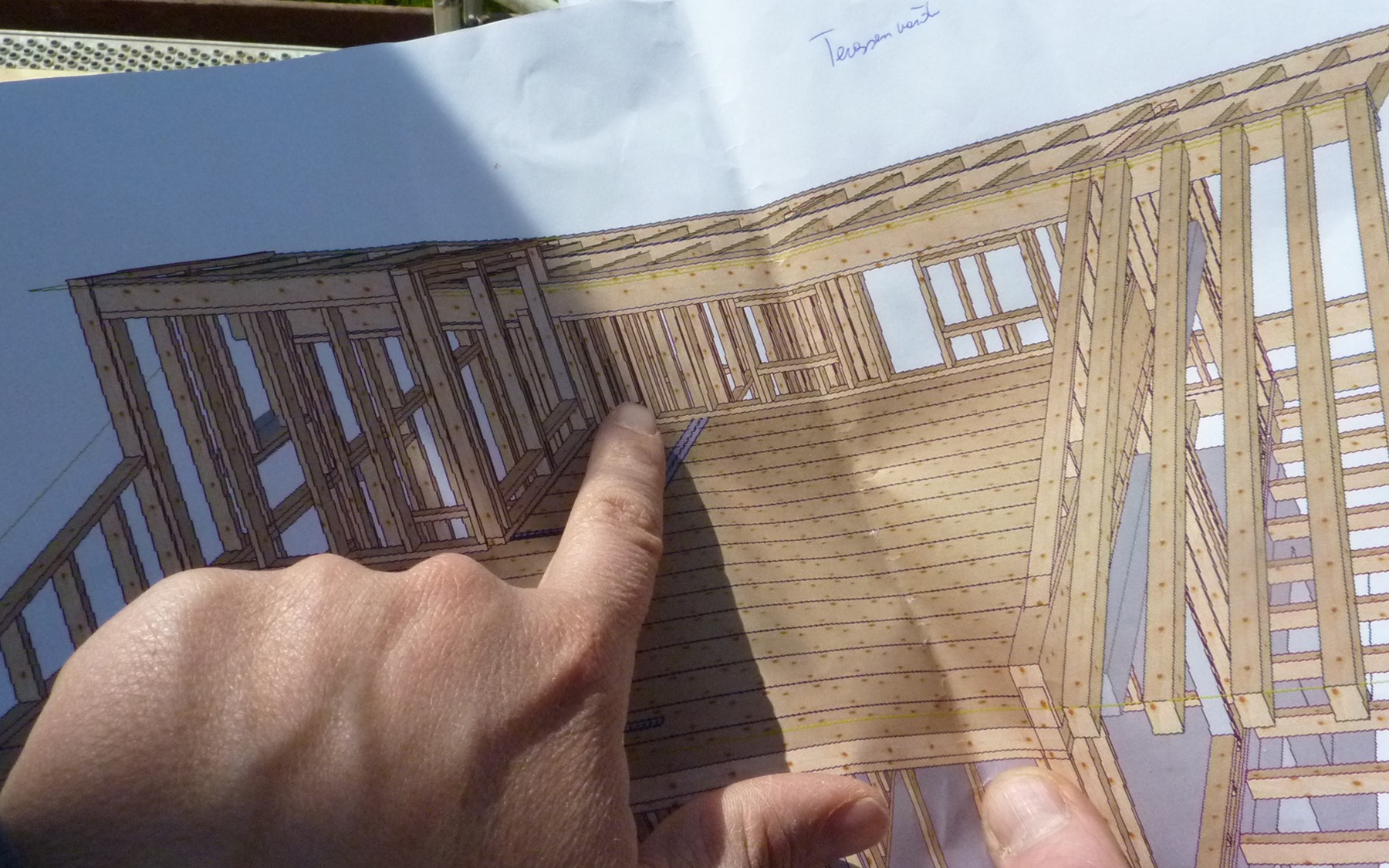
The extension was built using a wooden frame structure, which allowed the work to be carried out more quickly than with other wet techniques and enabled very low transmittance values to be achieved: 0.13 W/m² K thanks to the use of wood fibre both as cladding and as filling for the structure. The existing envelope, consisting of a mixed structure and rock wool cladding, was improved by adding another layer of wood fibre insulation, thus achieving a transmittance value of 0.19 W/m² K.
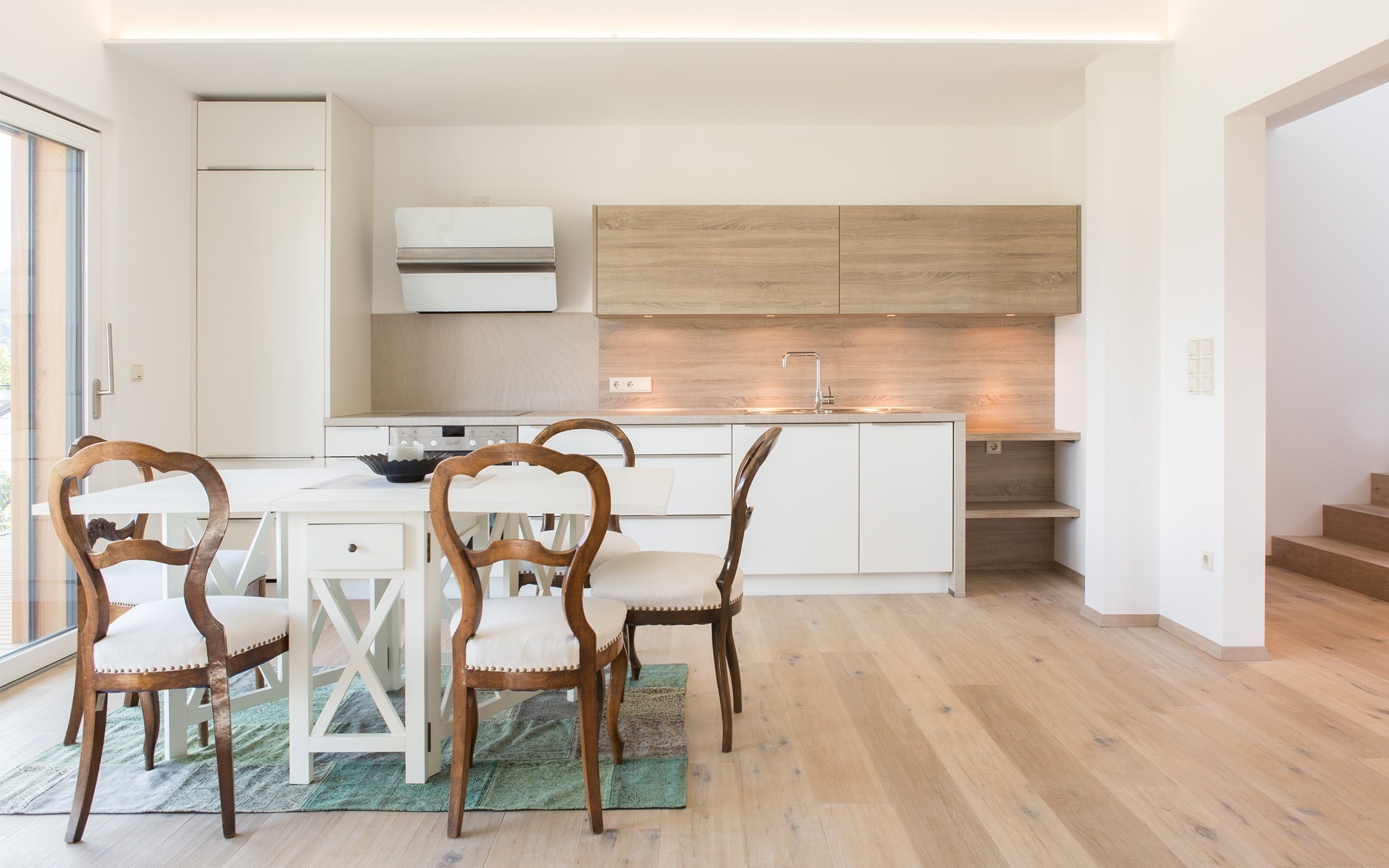
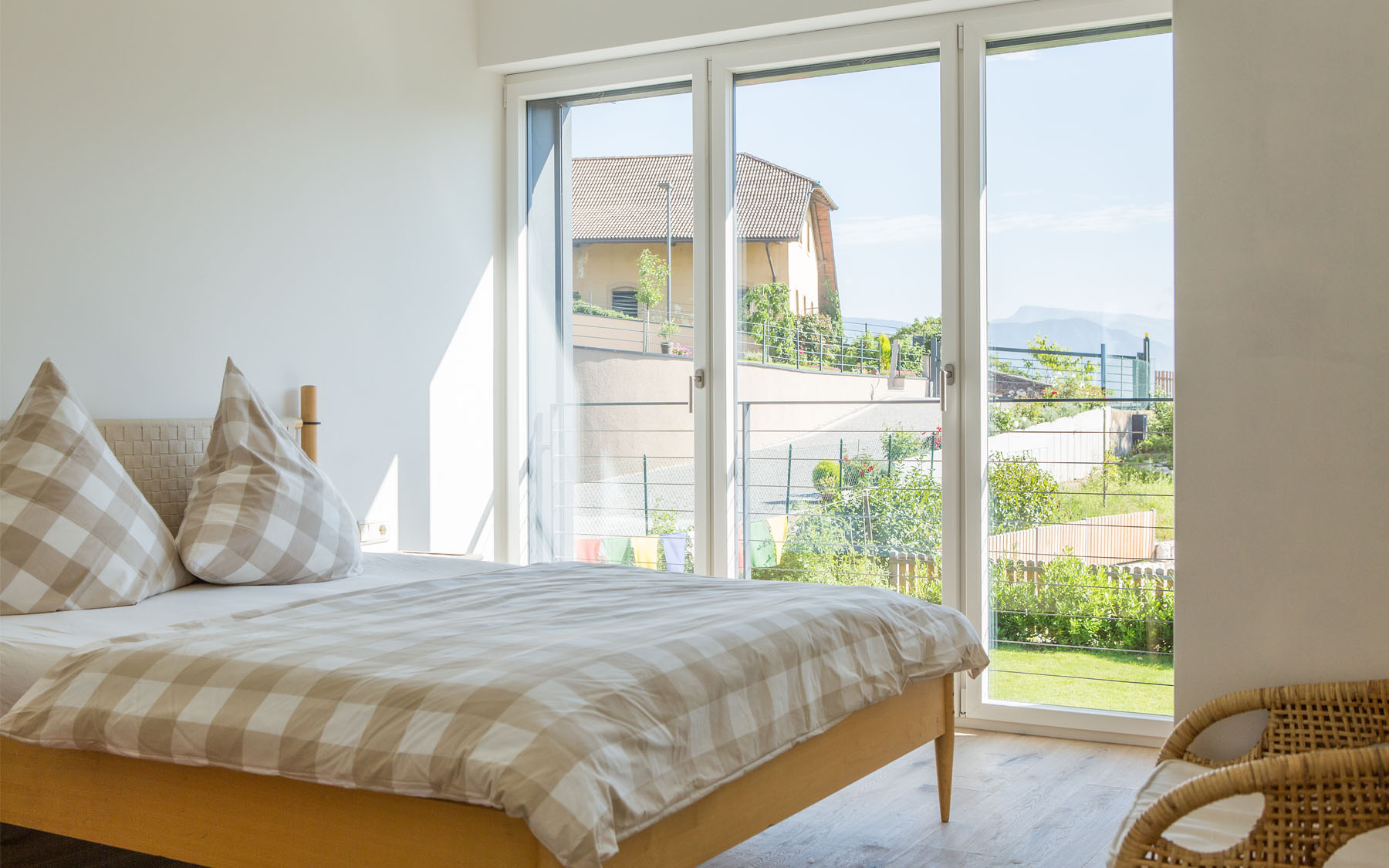
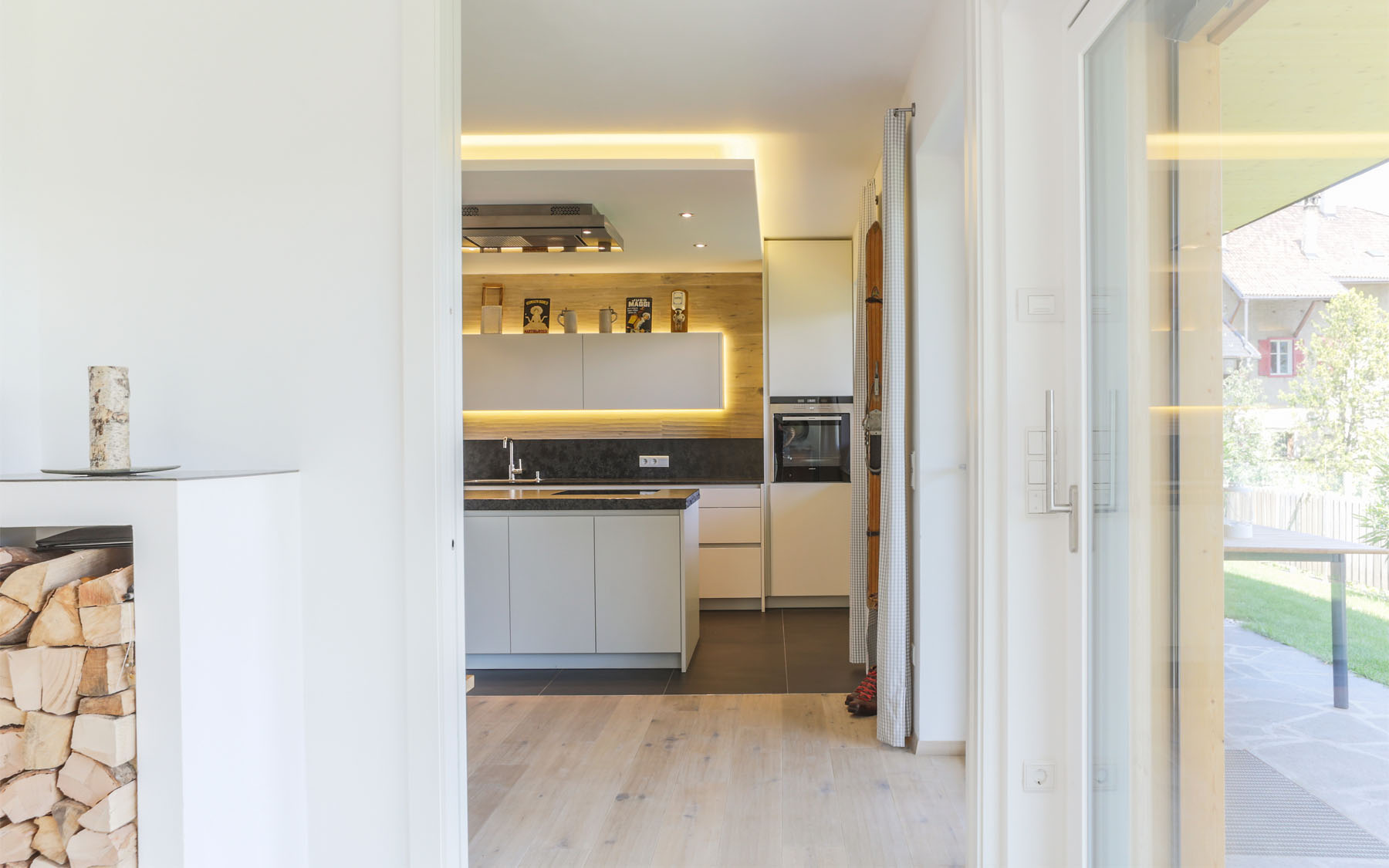
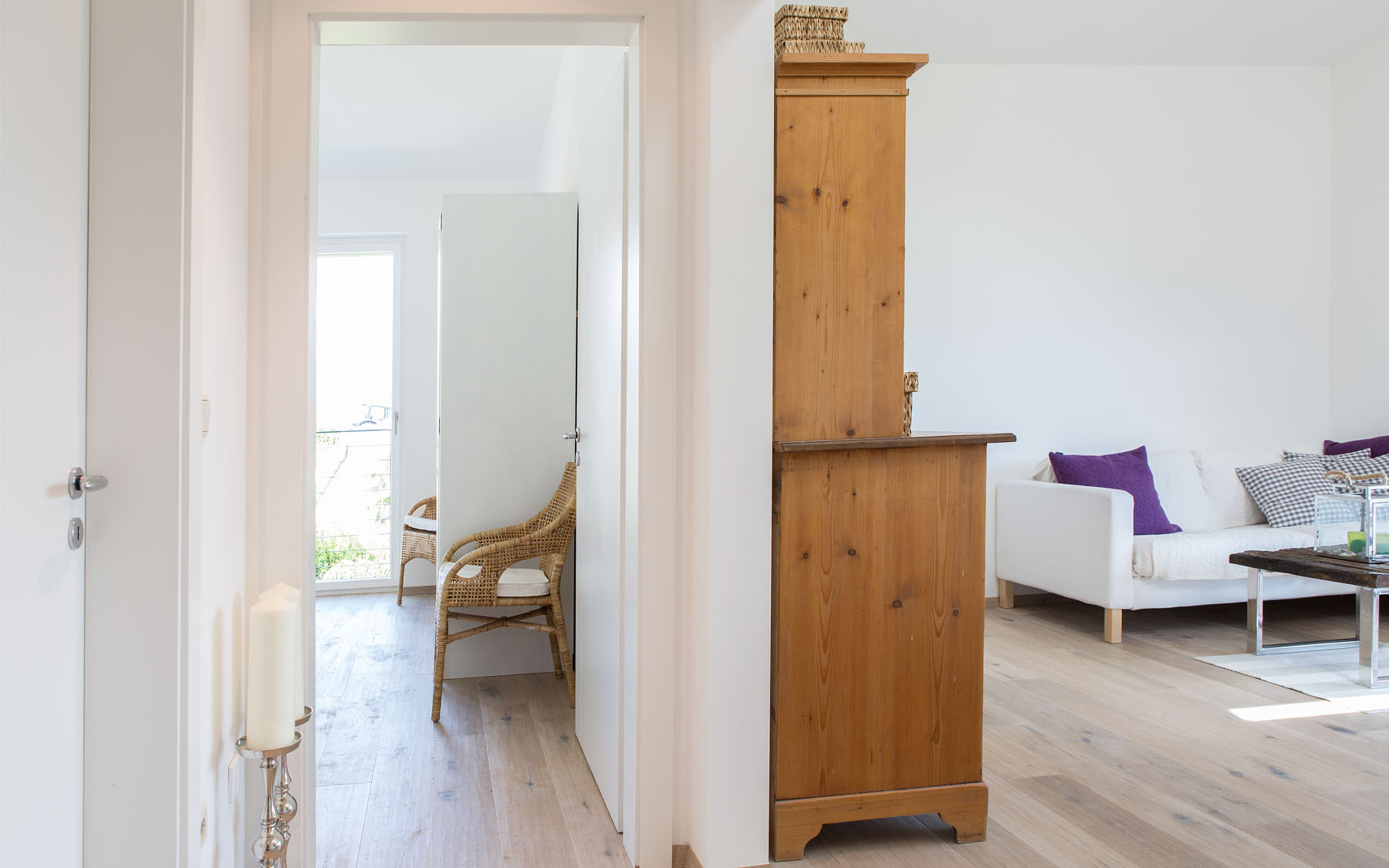
New high-performance windows and doors were also installed, along with a new underfloor heating system with controlled mechanical ventilation throughout the building and solar thermal panels for domestic hot water production.
The renovation work, which lasted only seven months, from May to December 2013, resulted in a total energy requirement for the building envelope of 43 kWh/m² per year, with final certification in CasaClima Class B.
The extension was built using a wooden frame structure, which allowed the work to be carried out more quickly than with other wet techniques and enabled very low transmittance values to be achieved: 0.13 W/m² K thanks to the use of wood fibre both as cladding and as filling for the structure. The existing envelope, consisting of a mixed structure and rock wool cladding, was improved by adding another layer of wood fibre insulation, thus achieving a transmittance value of 0.19 W/m² K.
New high-performance windows and doors were also installed, along with a new underfloor heating system with controlled mechanical ventilation throughout the building and solar thermal panels for domestic hot water production.
The renovation work, which lasted only seven months, from May to December 2013, resulted in a total energy requirement for the building envelope of 43 kWh/m² per year, with final certification in CasaClima Class B.
CONCEPT
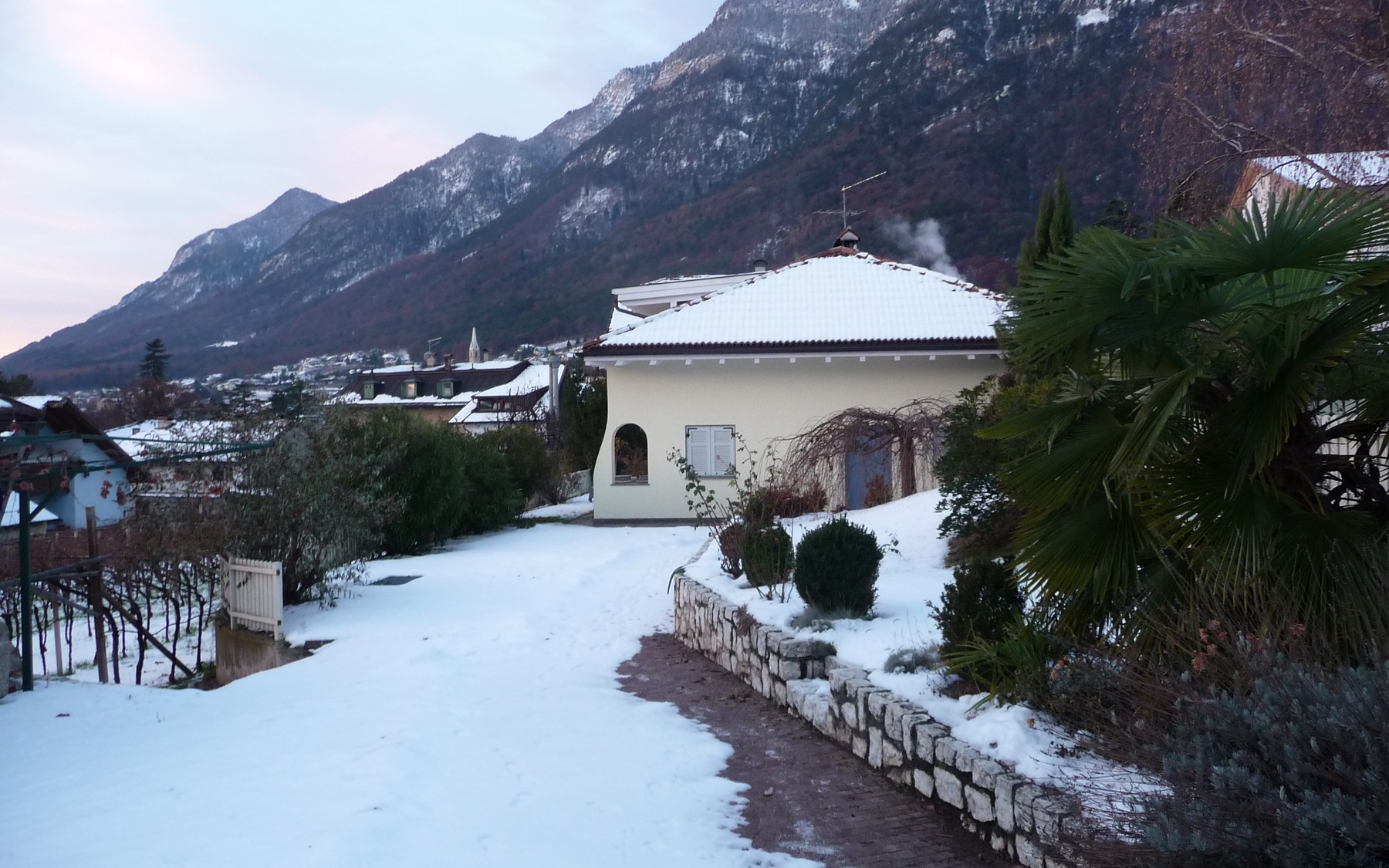
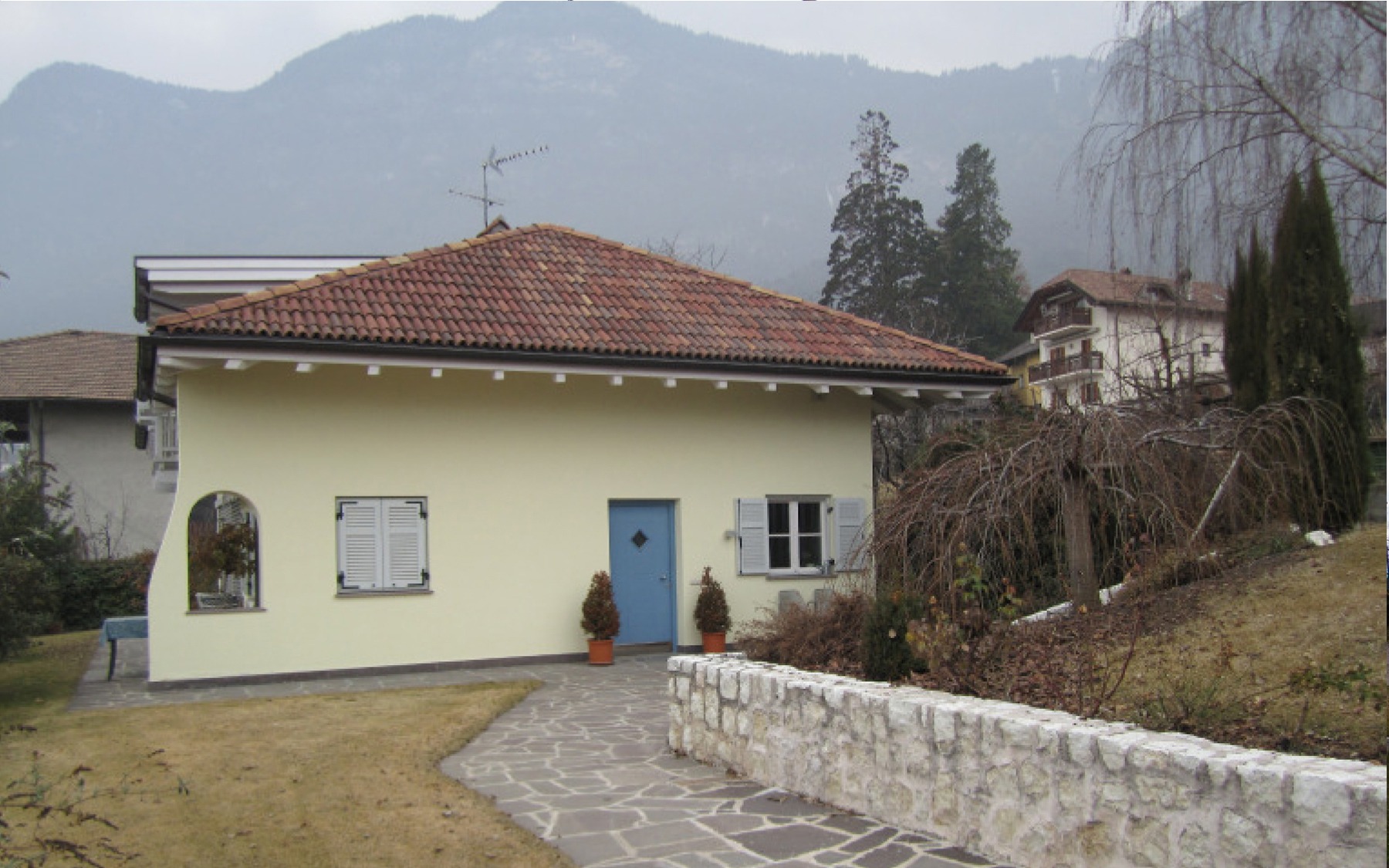
The redevelopment work has significantly improved the performance of the existing building envelope and expanded the villa by creating a new living space in the attic. The project involved the complete renovation of the attic apartment and the refurbishment of the rest of the building, with a focus on improving energy efficiency.
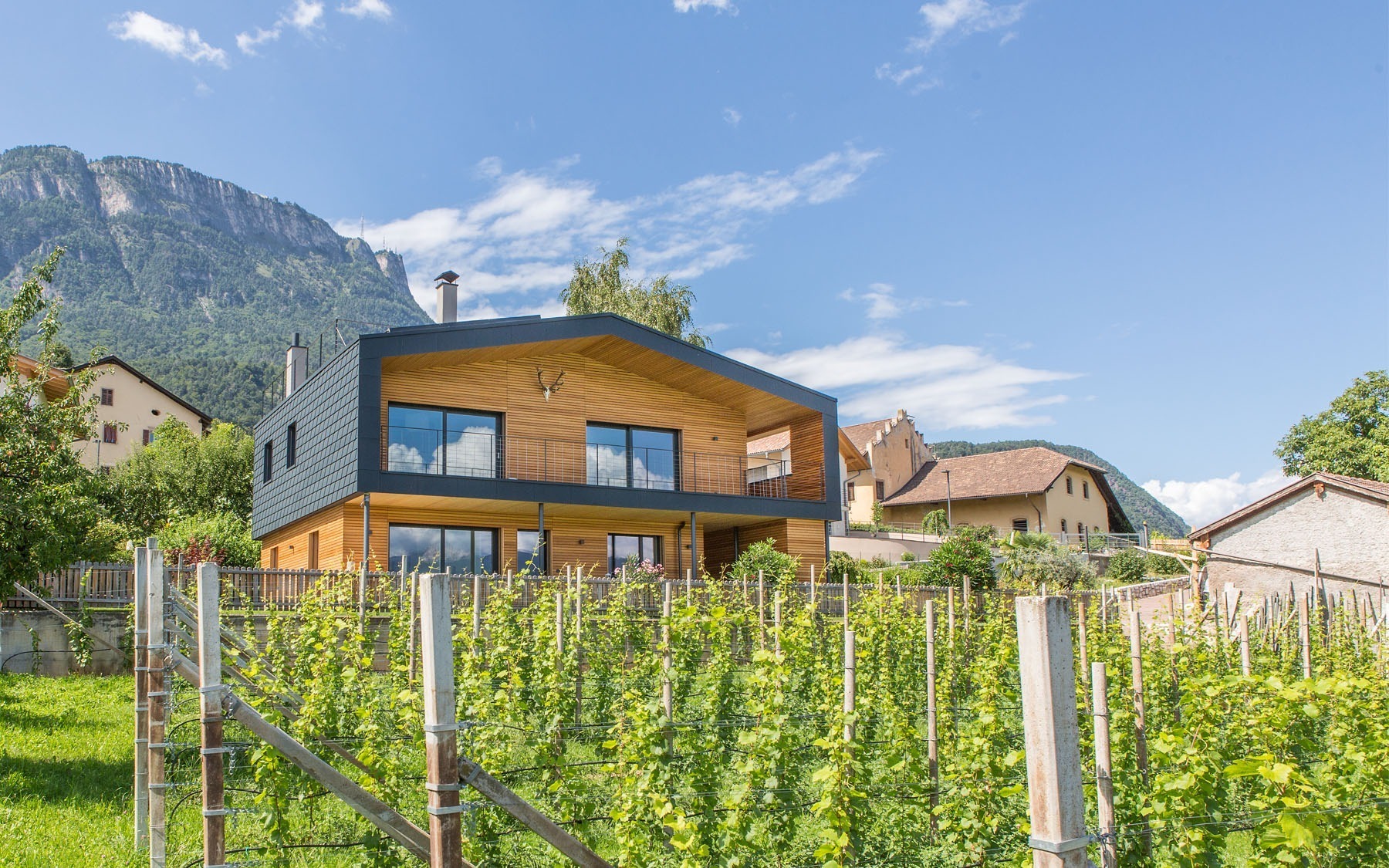
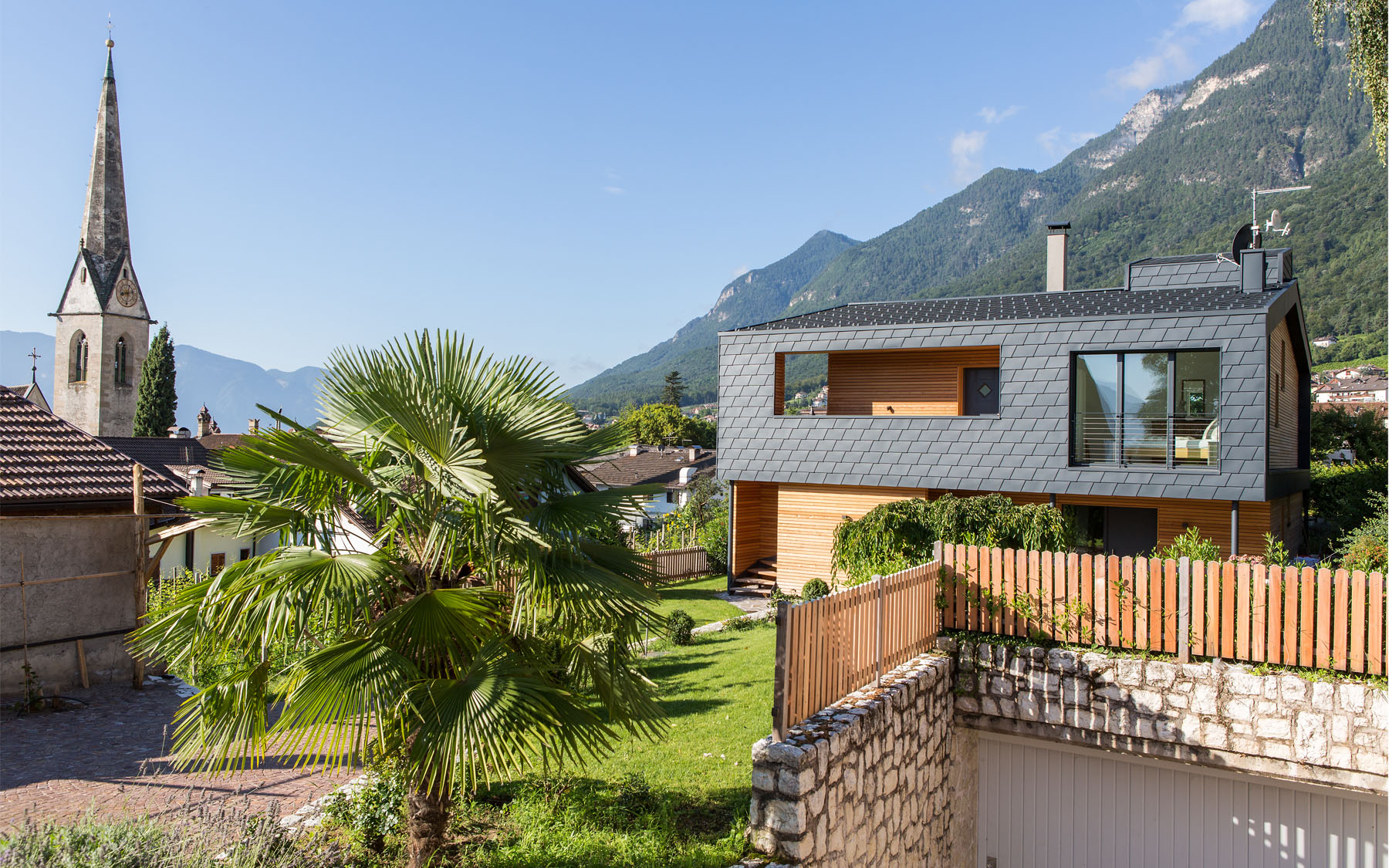
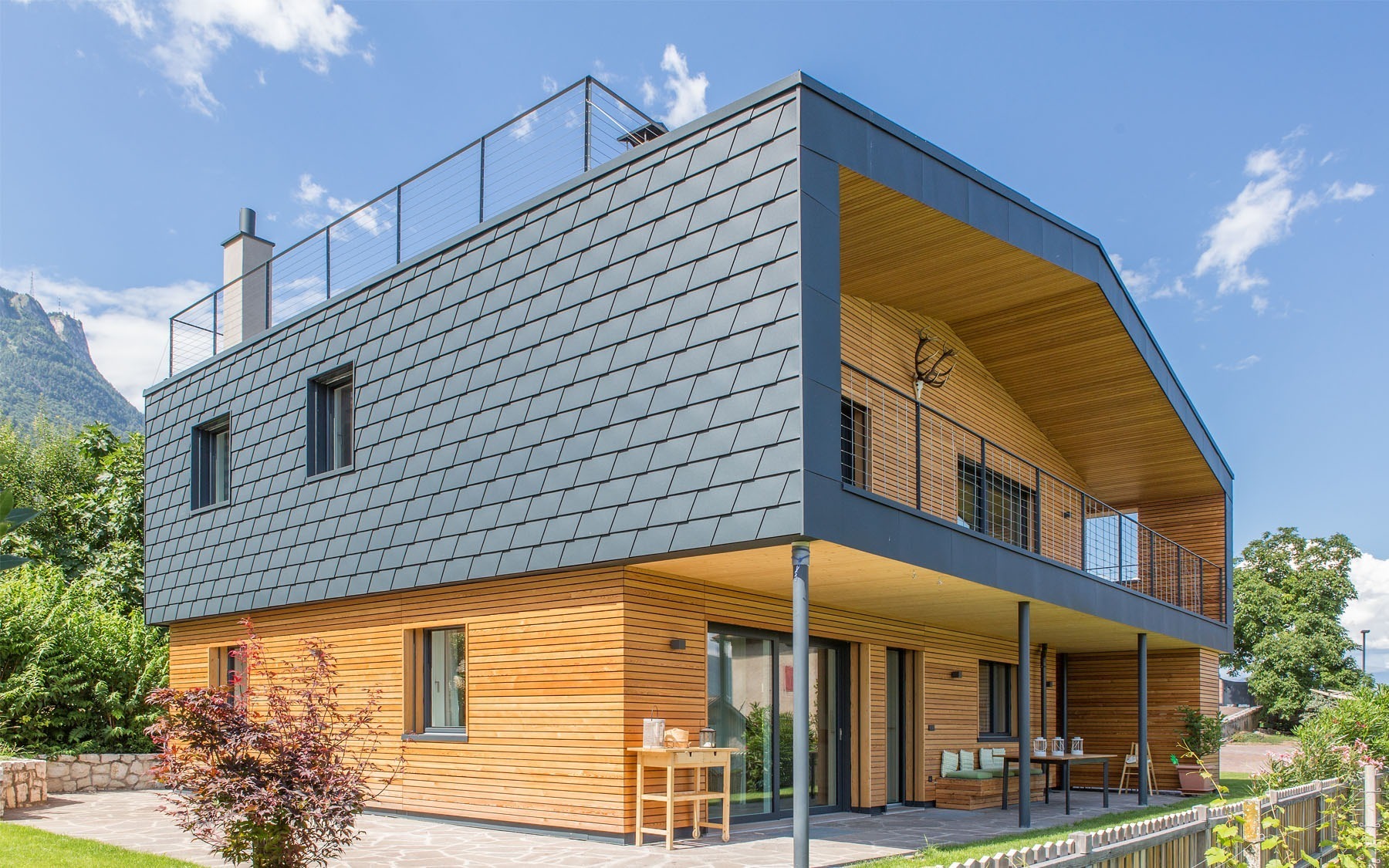
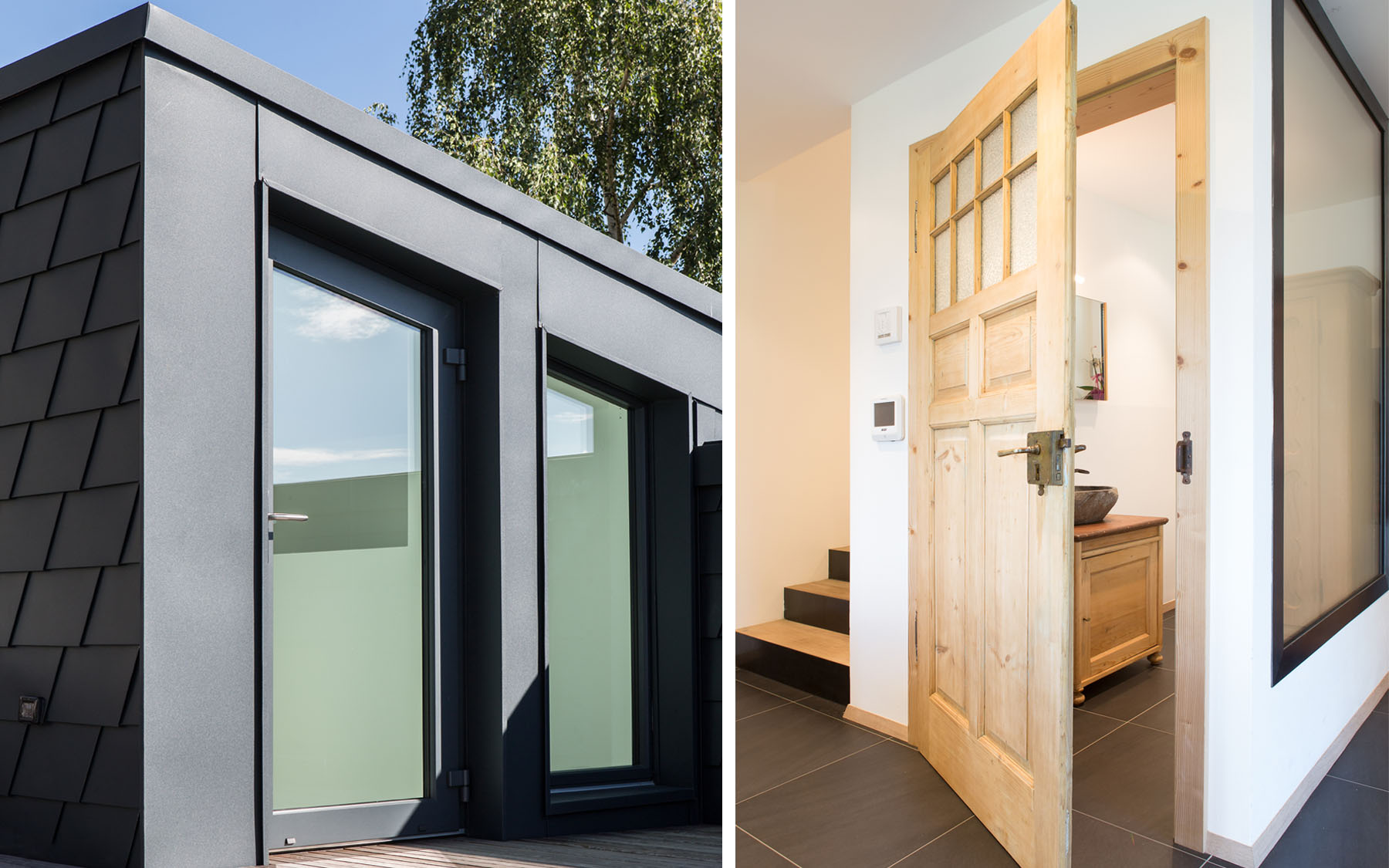
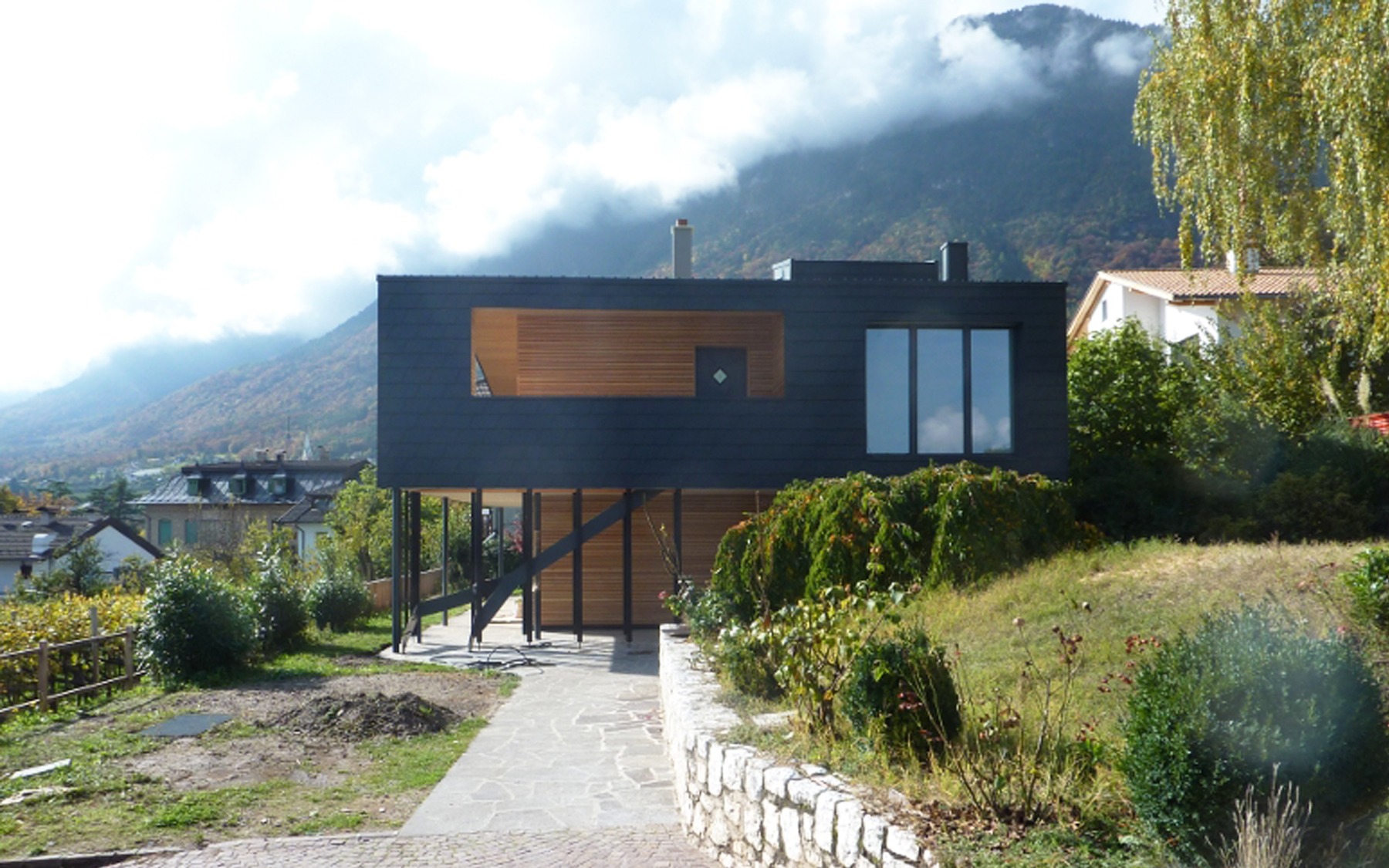
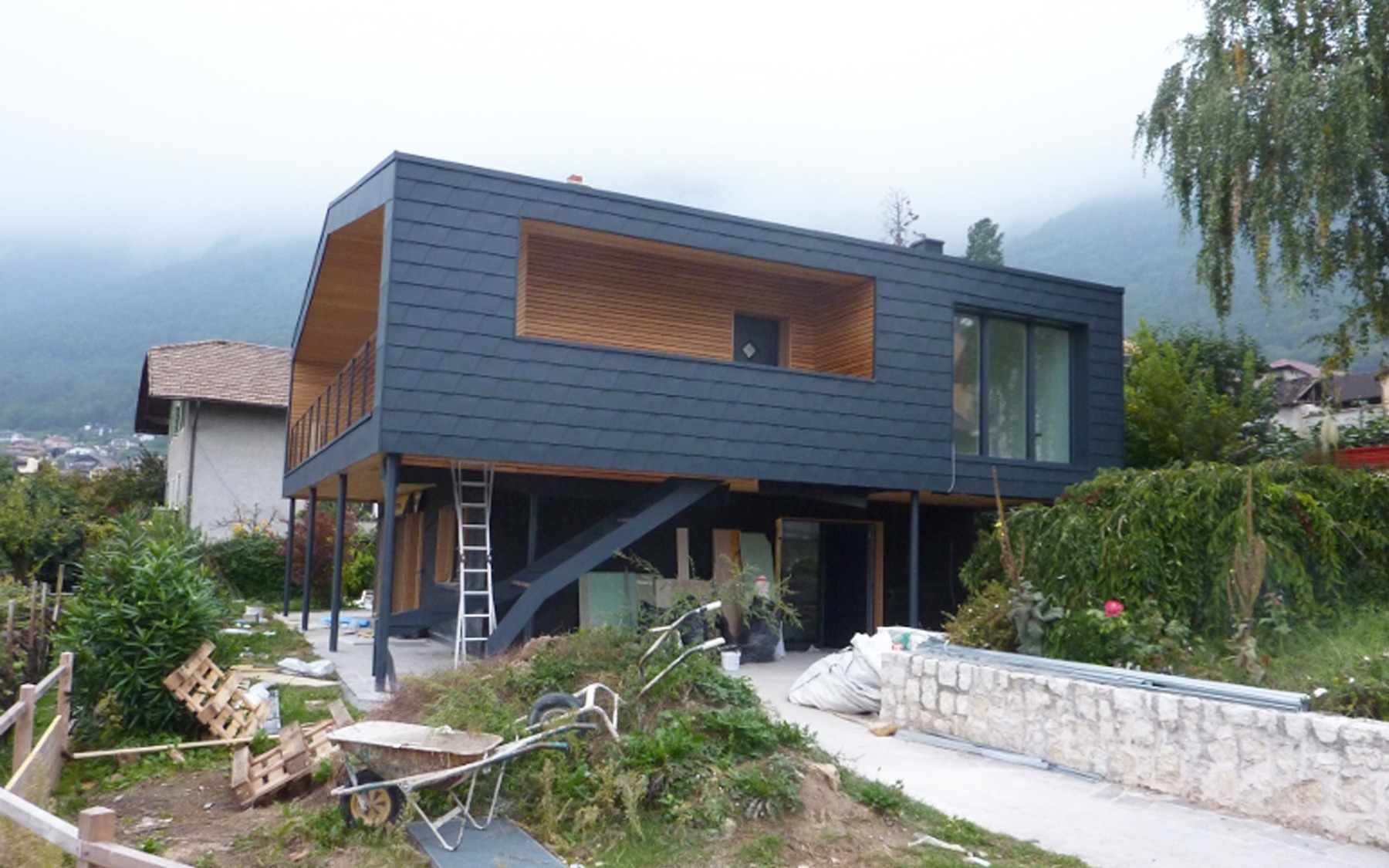
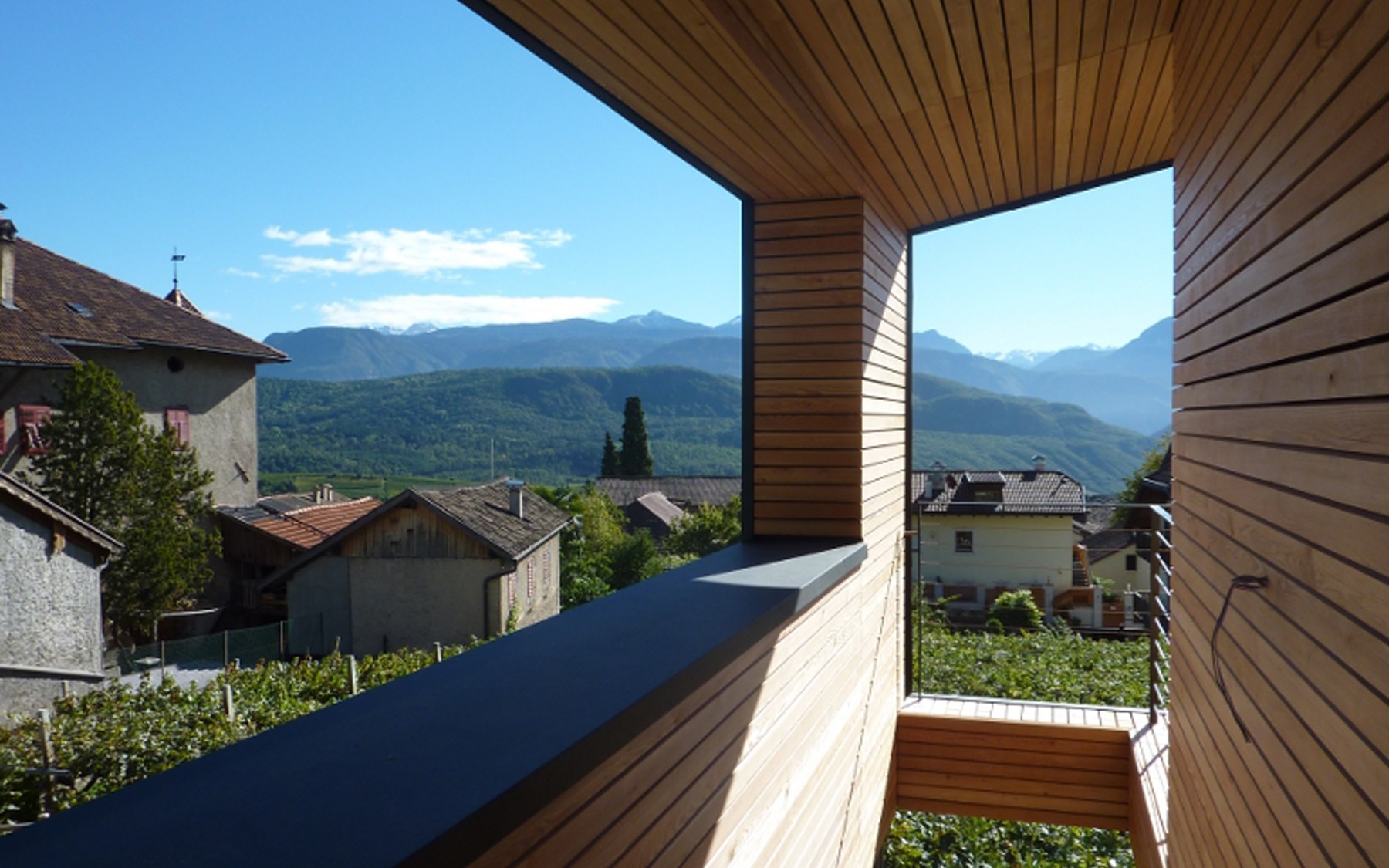
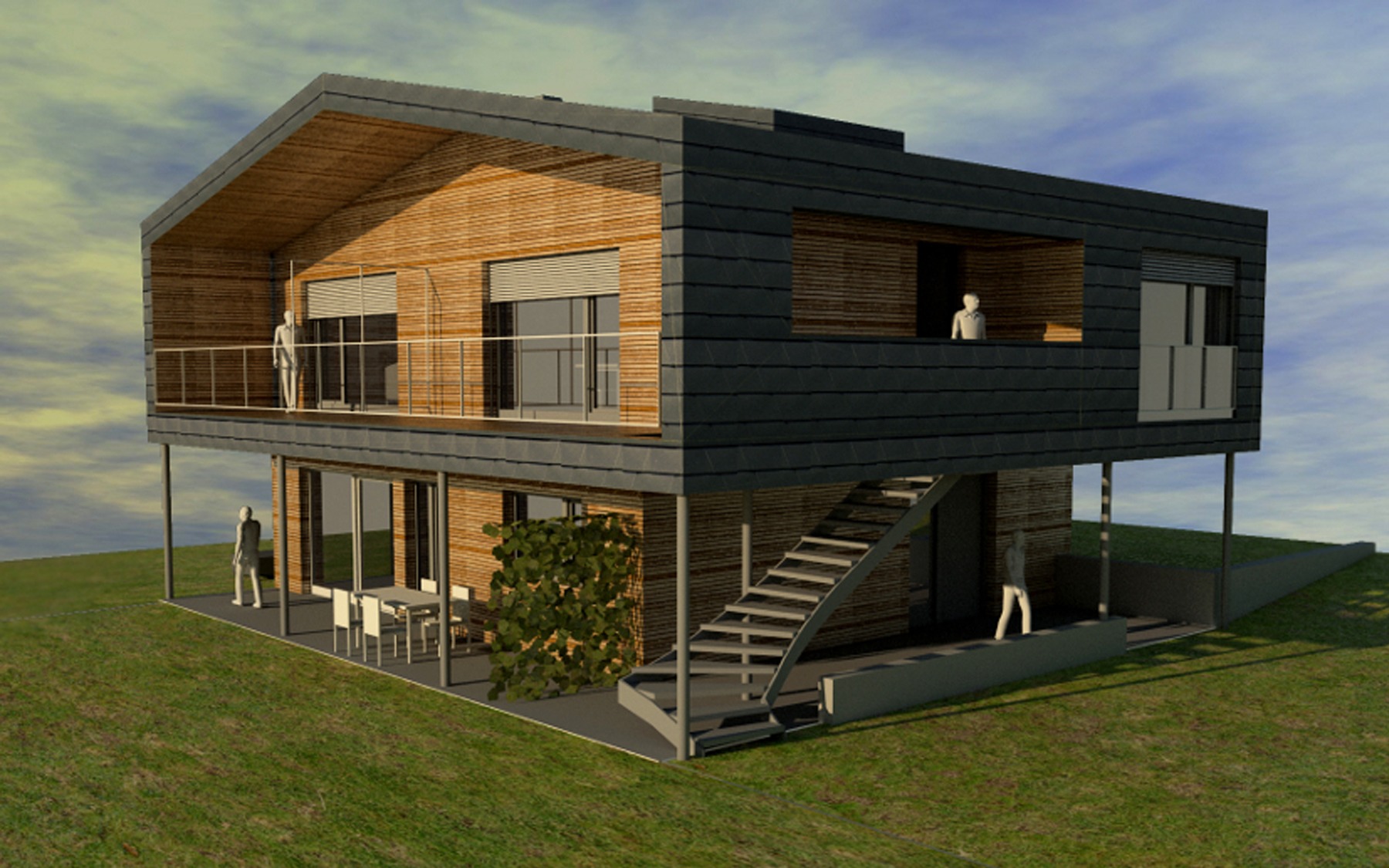
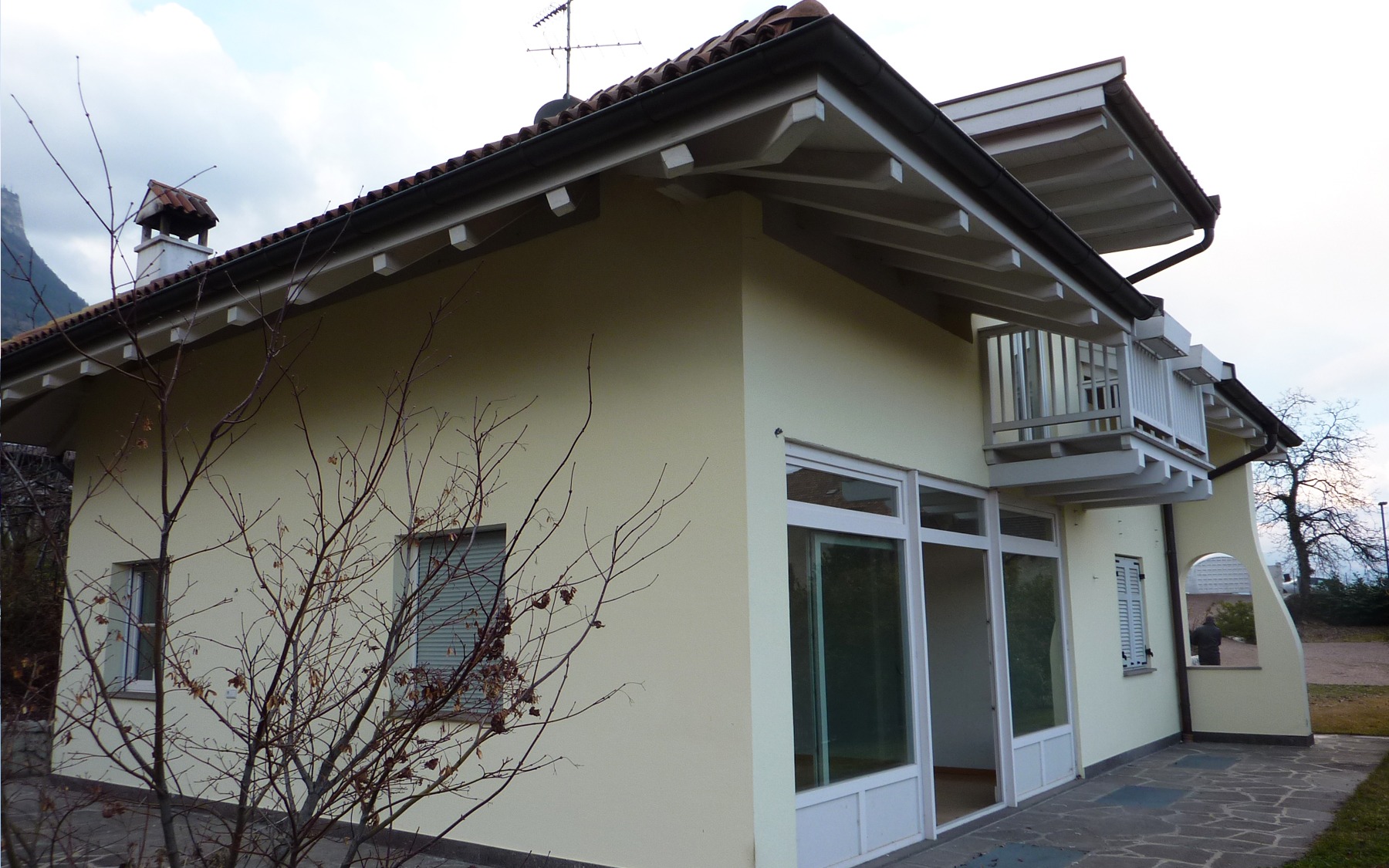
Architecturally, the new attic volume is “resting” on the existing structure and covered with dark aluminium shingles that extend to the roof, characterising its volume. The south-east façade of the building features a large covered balcony created as part of the extension.
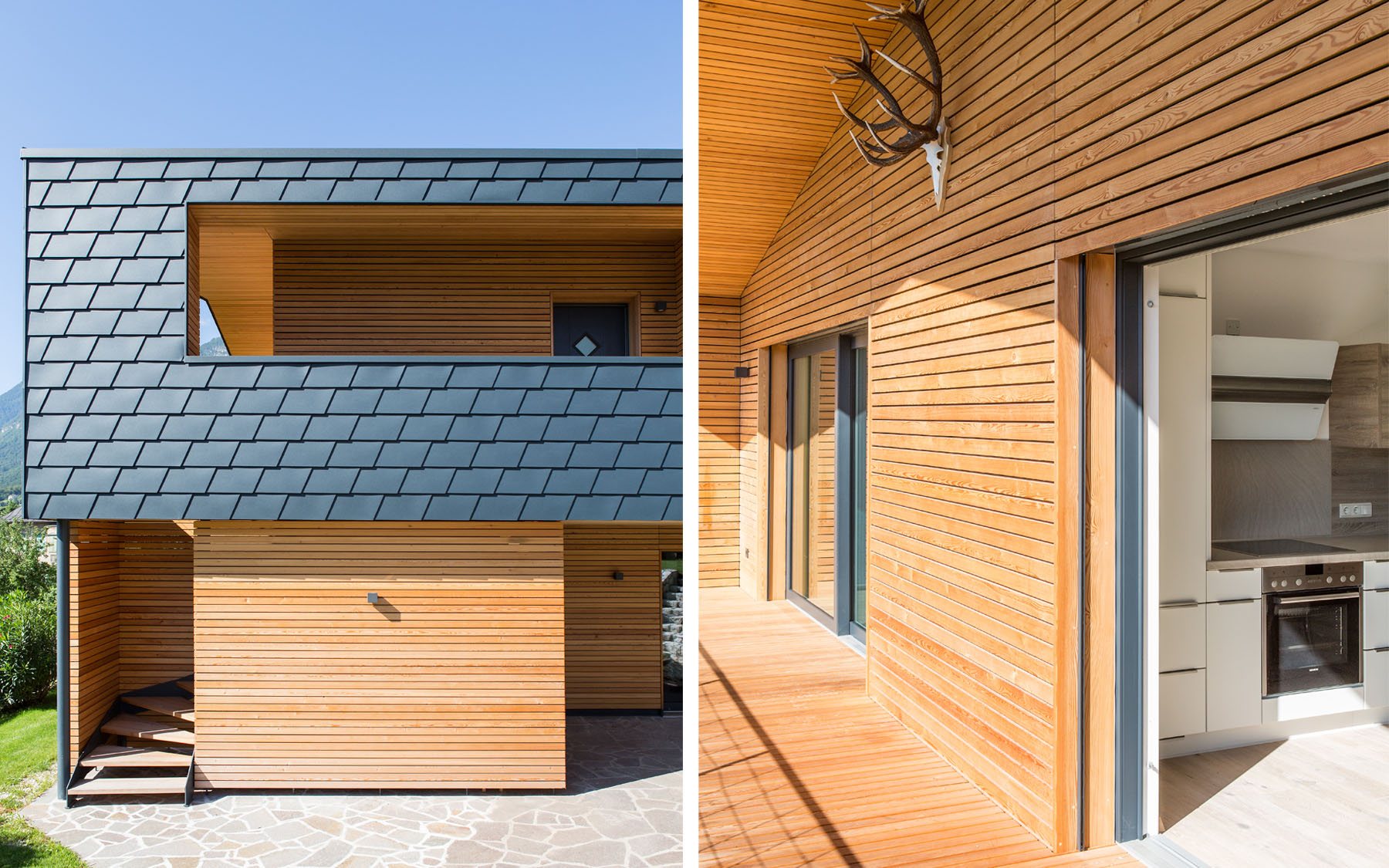
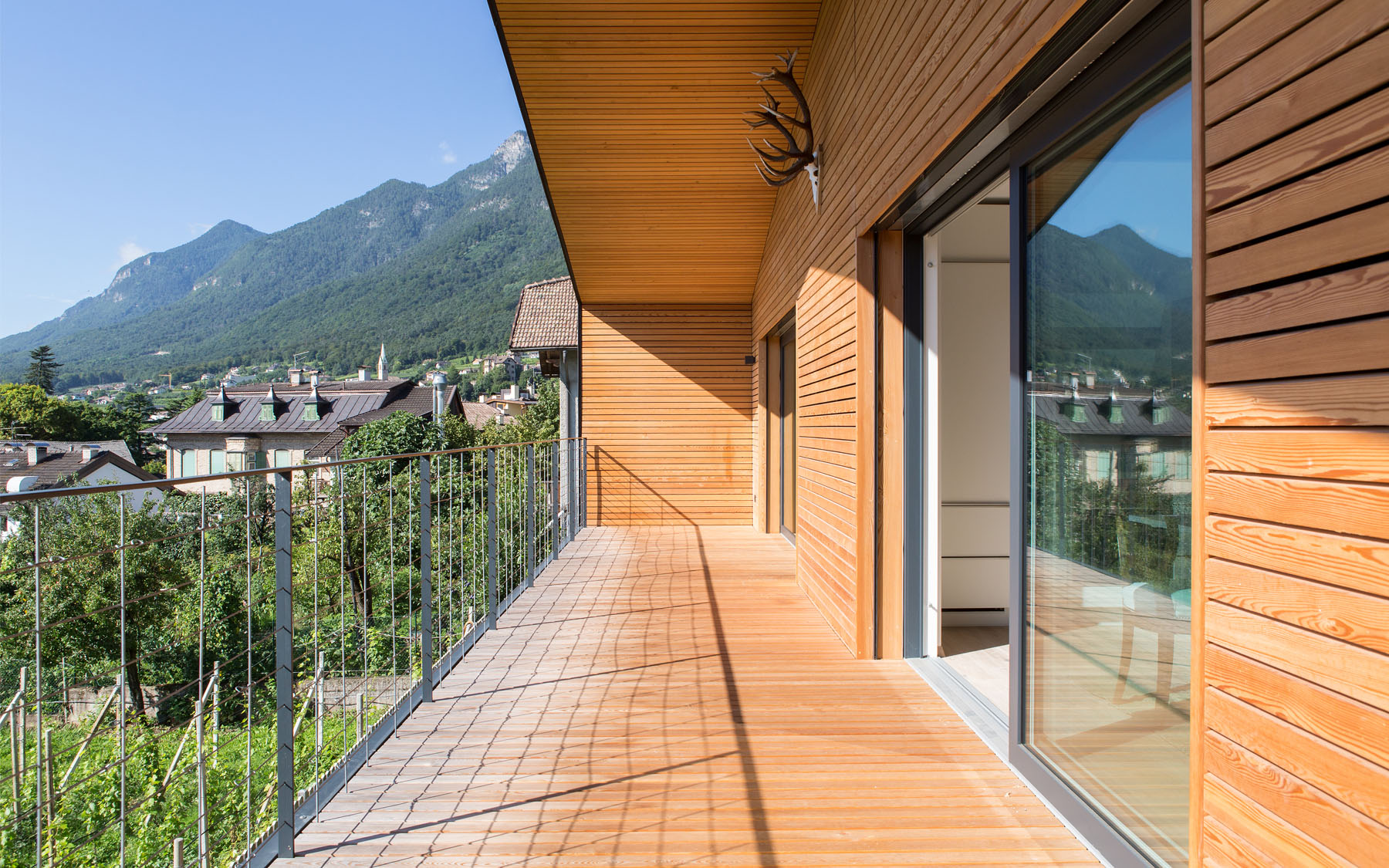
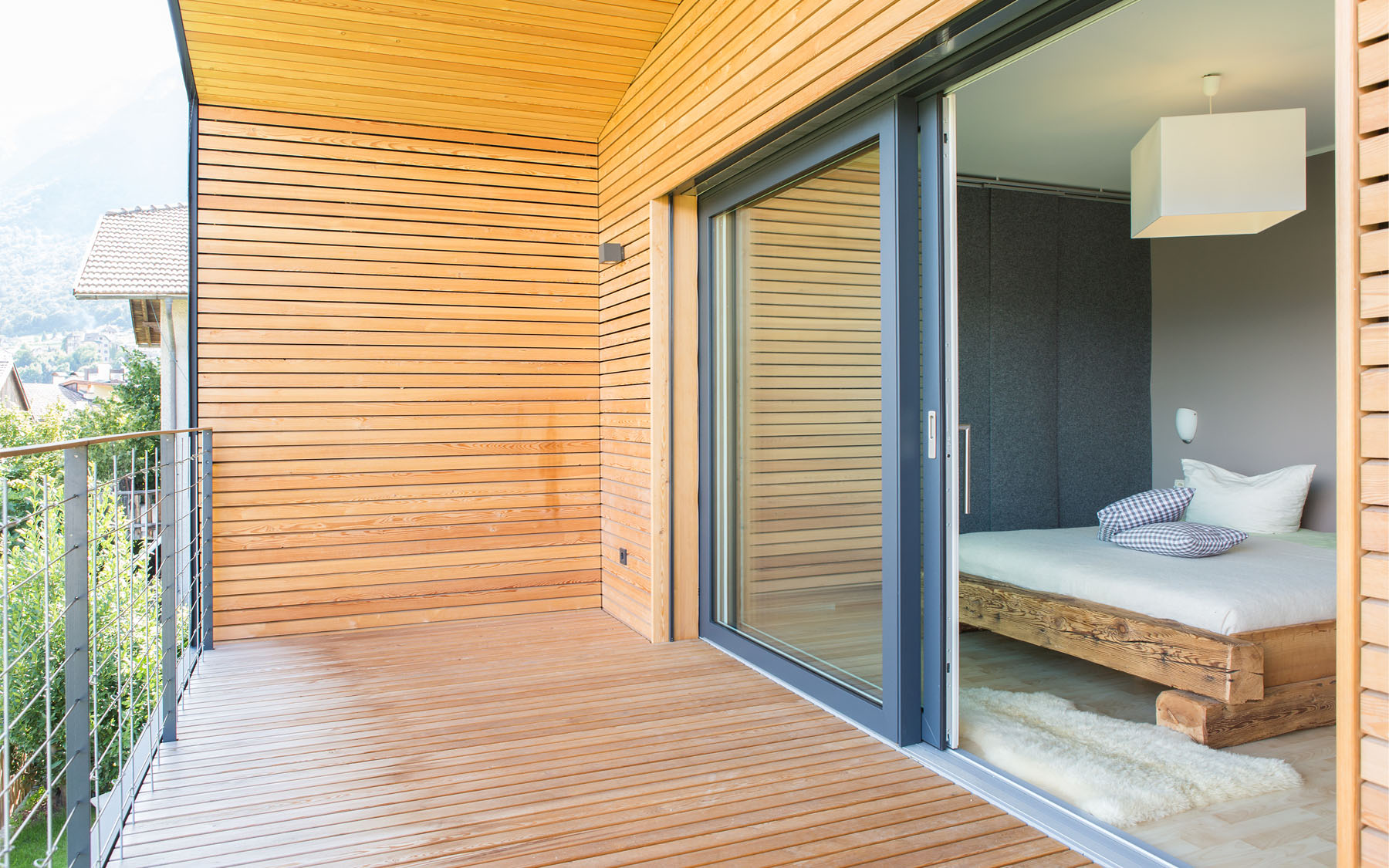
The profile of this balcony has been clad with aluminium shingles, while the interior and floor have a larch wood slat finish that creates a pleasant contrast with the dark exterior cladding. The profile of the façade symbolically recreates the archetype of the house, giving character to the entire project.
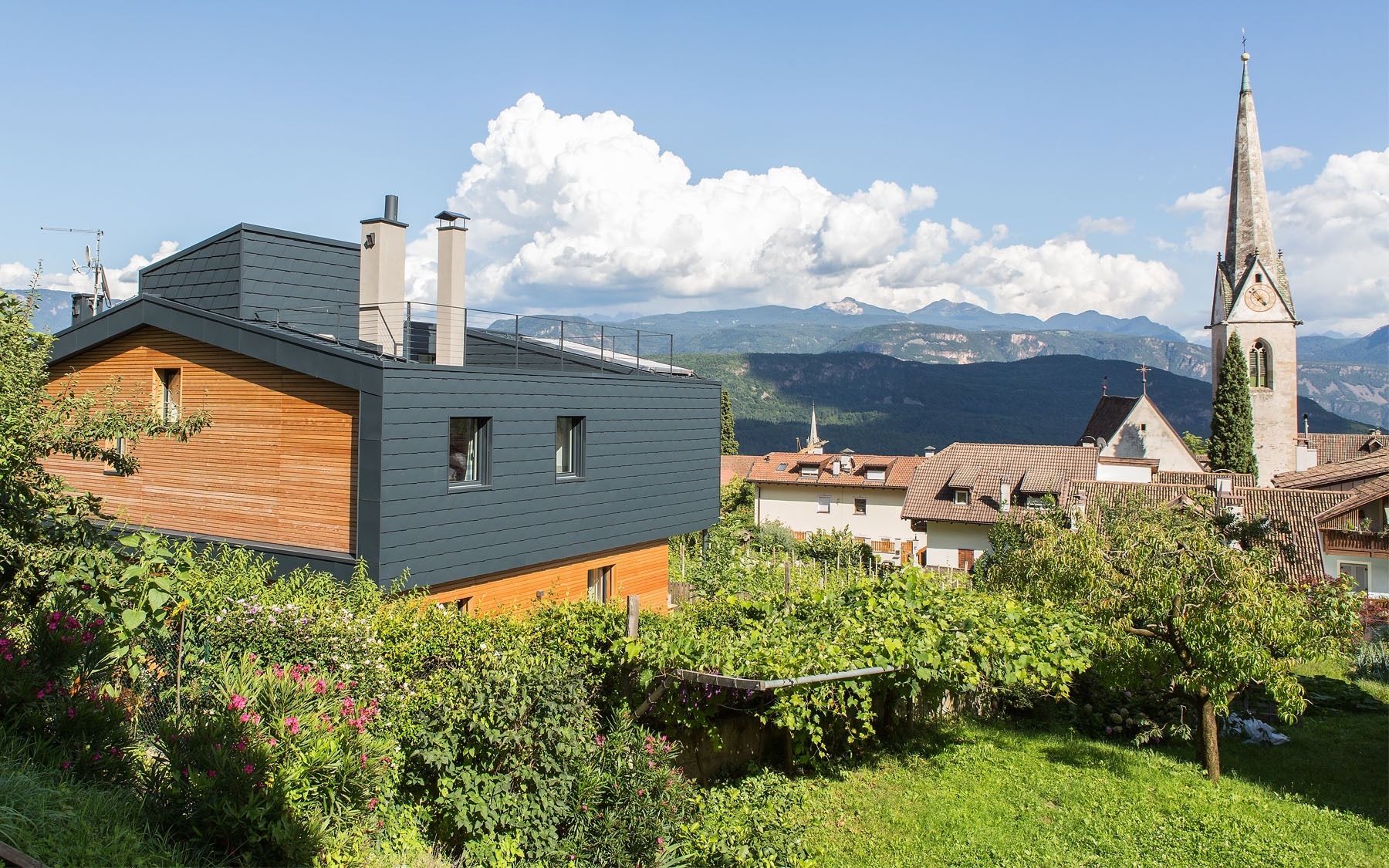
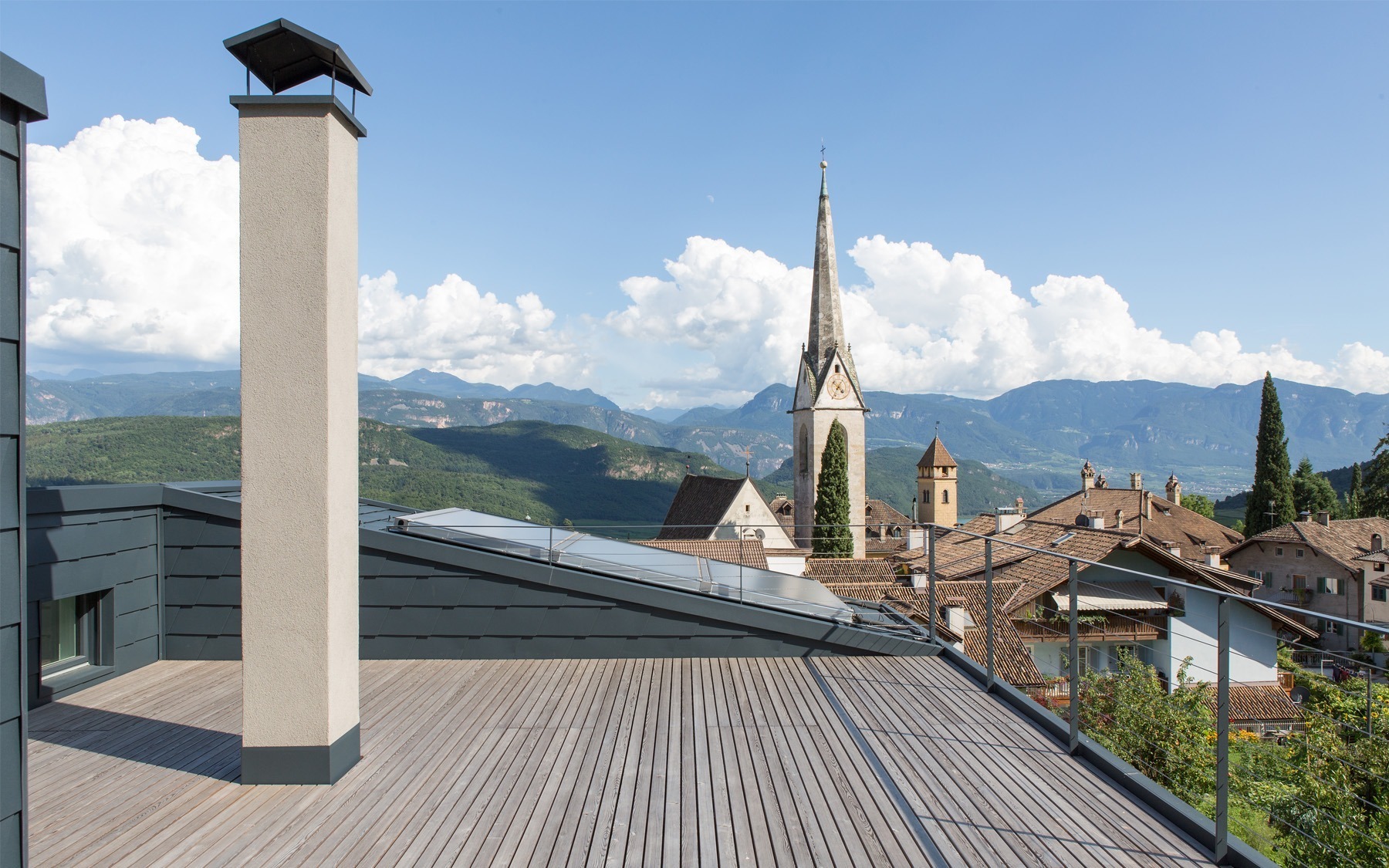
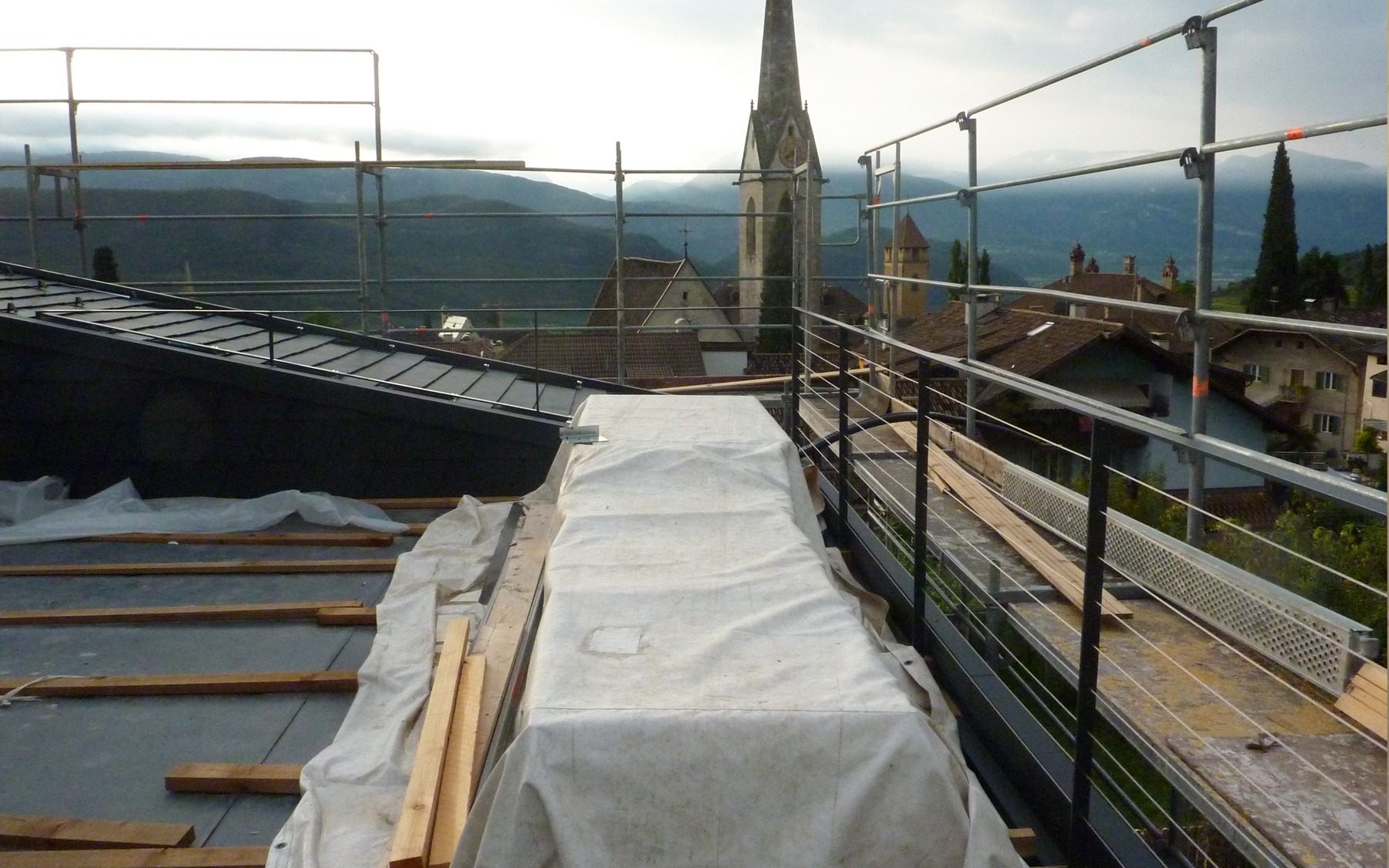
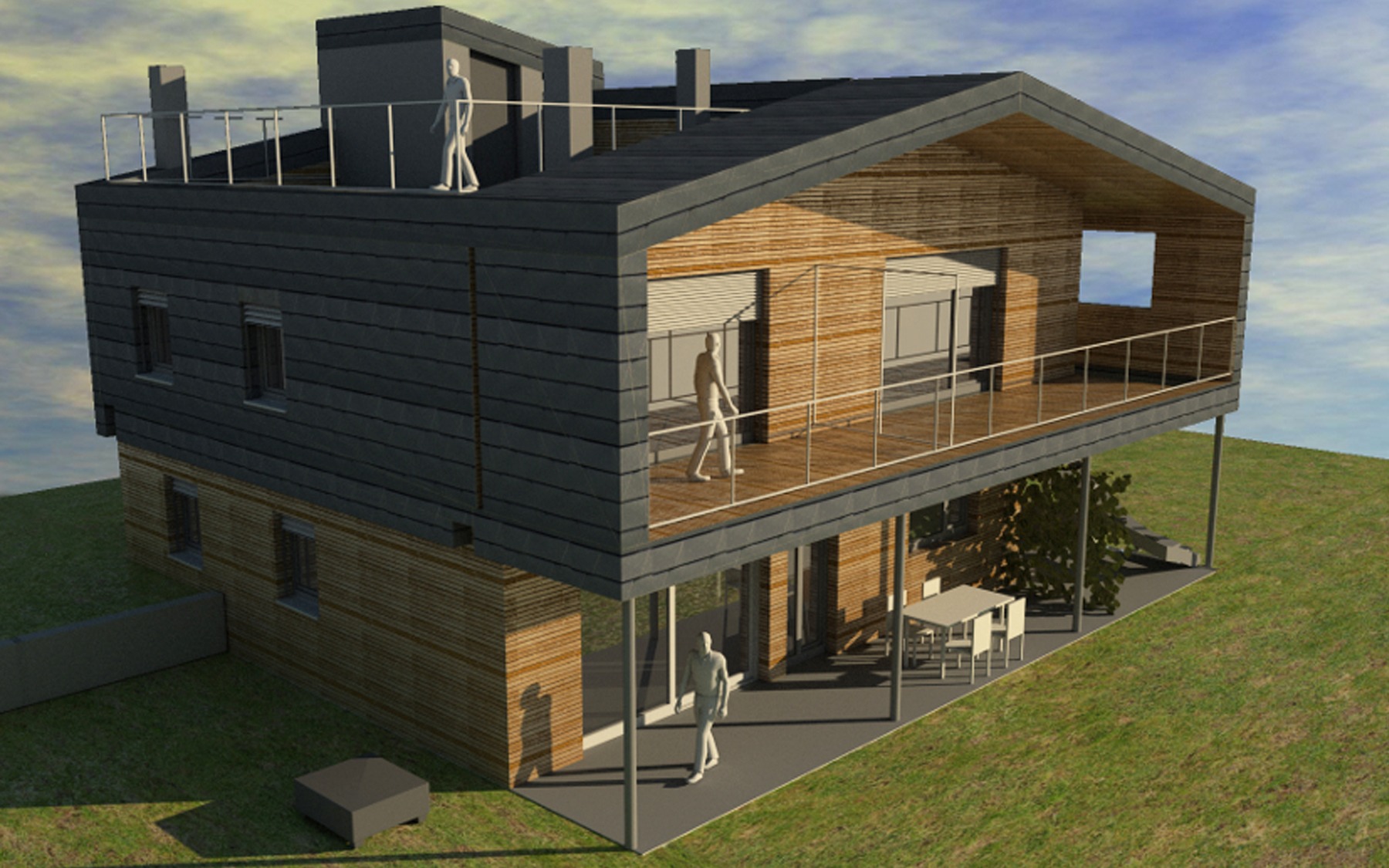
The roof, which appears regular, is characterised by the original continuity of the cladding with the external walls. Consisting of two classic mirrored pitches, it holds a pleasant surprise for its users: one of the two pitches houses a large pocket terrace overlooking the village, from which you can enjoy the picturesque mountain landscape that surrounds it.
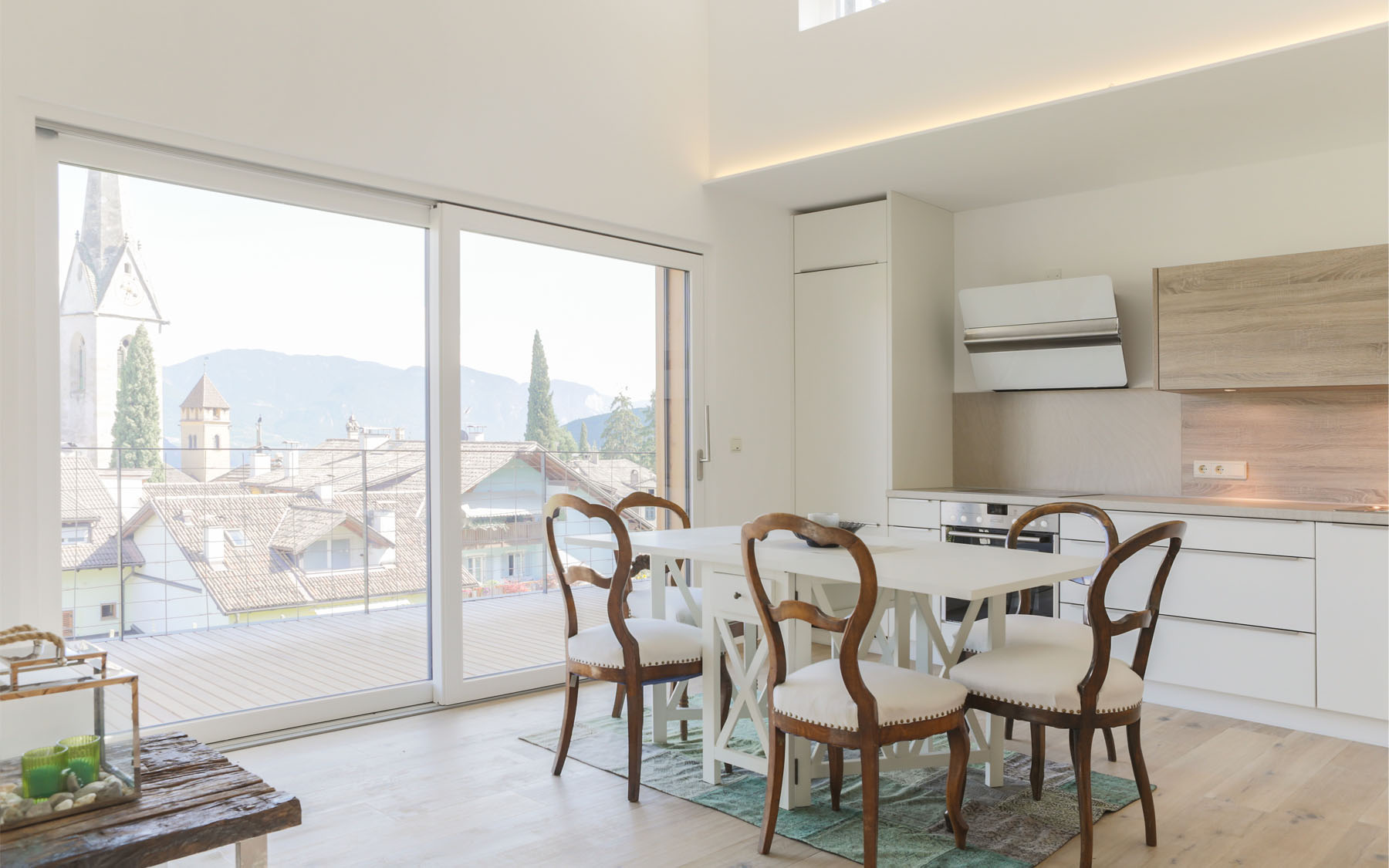
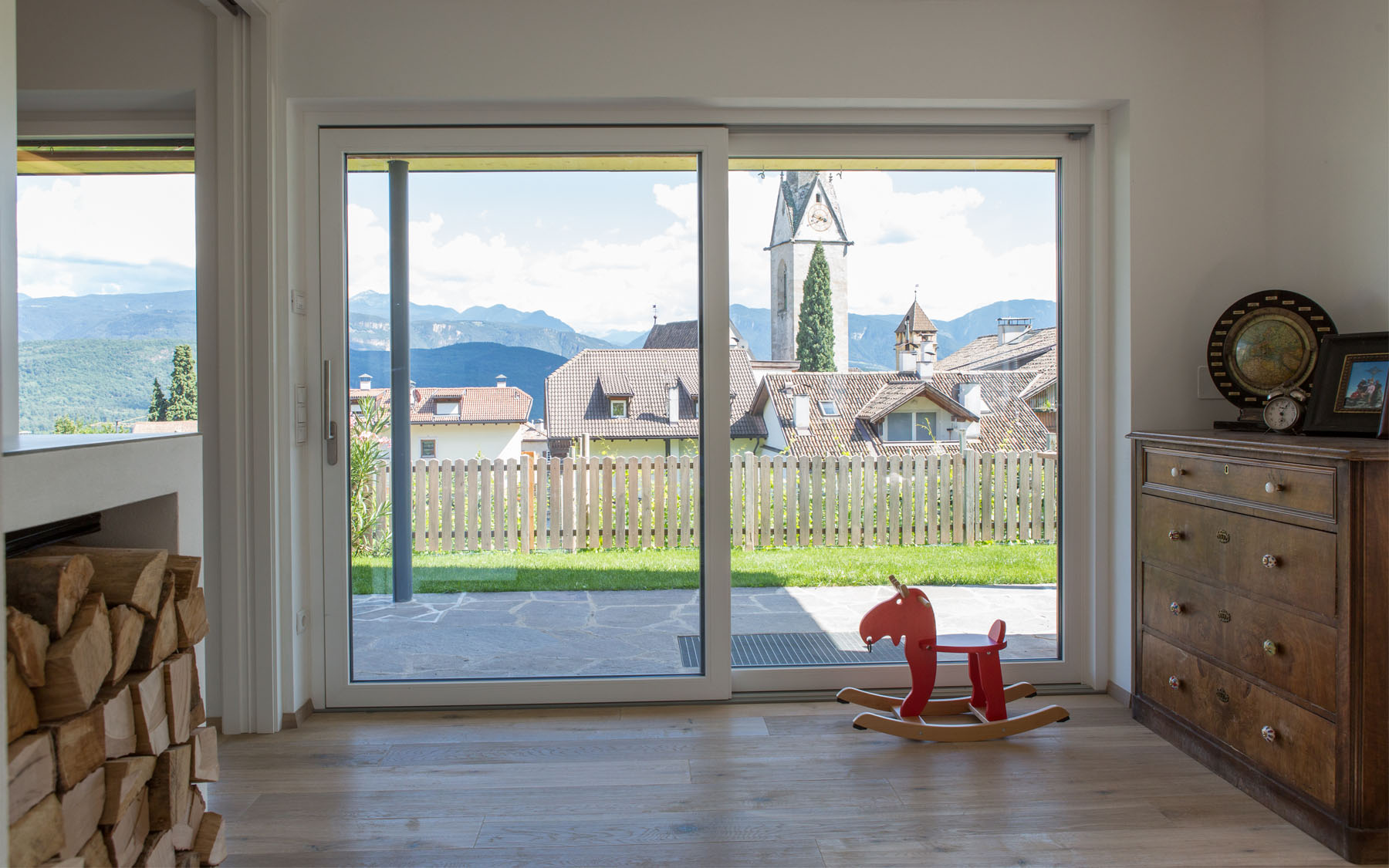
Functionally, particular attention has been paid to the relationship between indoor and outdoor spaces in order to maximise the view and the greenery surrounding the building. The balcony described above provides an open, liveable and easily usable space thanks to its direct connection to the living area of the first-floor flat; on the ground floor, the same balcony creates a charming pergola that can also be used. The spaces described are connected by large sliding glass doors that ensure continuity between the interior and exterior.
Architecturally, the new attic volume is “resting” on the existing structure and covered with dark aluminium shingles that extend to the roof, characterising its volume. The south-east façade of the building features a large covered balcony created as part of the extension.
The profile of this balcony has been clad with aluminium shingles, while the interior and floor have a larch wood slat finish that creates a pleasant contrast with the dark exterior cladding. The profile of the façade symbolically recreates the archetype of the house, giving character to the entire project.
The roof, which appears regular, is characterised by the original continuity of the cladding with the external walls. Consisting of two classic mirrored pitches, it holds a pleasant surprise for its users: one of the two pitches houses a large pocket terrace overlooking the village, from which you can enjoy the picturesque mountain landscape that surrounds it.
Functionally, particular attention has been paid to the relationship between indoor and outdoor spaces in order to maximise the view and the greenery surrounding the building. The balcony described above provides an open, liveable and easily usable space thanks to its direct connection to the living area of the first-floor flat; on the ground floor, the same balcony creates a charming pergola that can also be used. The spaces described are connected by large sliding glass doors that ensure continuity between the interior and exterior.
Press & Media
Serramenti + Design - Abitare sotto una nuova luce (IT)
Nuova Finestra n°420 - Tutta da vivere (IT)
100 idee per ristrutturare - Continuità estetica per copertura e pareti (IT)
Legno Architettura 17 - Casa KaTo Caldaro (IT)
Dolomiten - Spezial "Bauen" - Kaltern Charakter-hülle (DE)
Climahouse certificate